
Educational content only — not medical advice. See our full Medical Disclaimer and Affiliate Disclosure below.
Key Takeaways
- Qigong is the daily practice: moving and stationary exercises that combine posture, breath, and mental intention[1].
- Neigong (“internal skill”) is not a set of exercises but a staged process of change that qigong methods are traditionally used to support[2].
- Terminology shifts from teacher to teacher — some use “qigong” and “neigong” interchangeably — so clarify the definitions before you train[1].
- Classical programs begin with standing work; the modern lens reads the same training as relaxation combined with soft, pleasant concentration — the first of three calming factors named in one classical account[2][8].
- The source tradition carries explicit cautions: no neigong under age 18 or during pregnancy, and care with heart and mental-health conditions[2].
Ask a dozen teachers to explain Neigong vs Qigong, and you may hear a dozen answers. The two terms are related, but they do not point to the same thing: one names the exercises most people practice in the park, the other names the internal process those exercises are traditionally used to serve[1][2]. This guide draws the line using classical instructional literature — and closes with a gentle, low-dose way to explore both. New to the movement side? Follow our Ba Duan Jin beginner manual first.
Neigong vs Qigong at a Glance
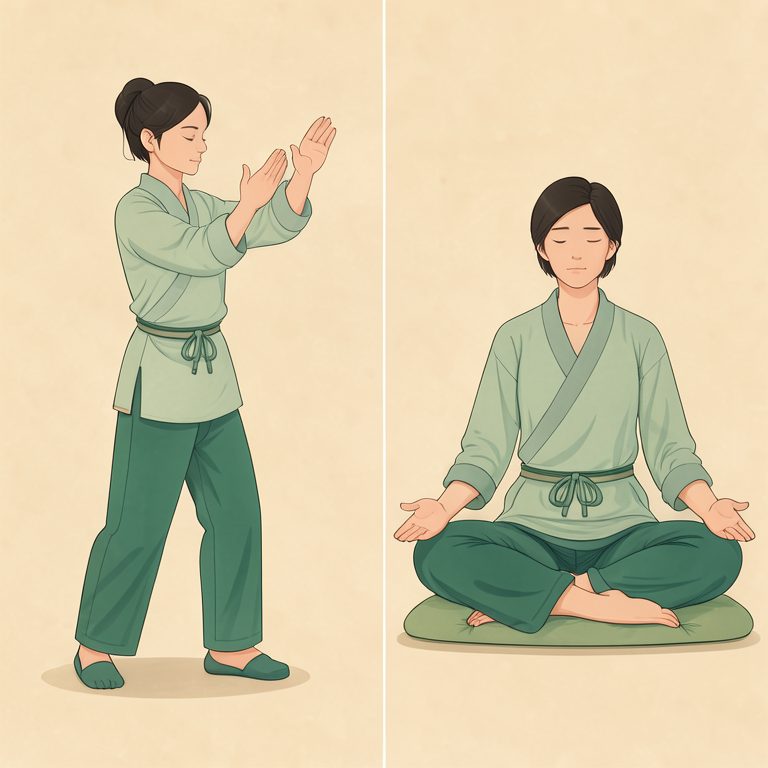
| Qigong | Neigong | |
|---|---|---|
| Literal meaning | “Work” or cultivation of qi — Gong means work, Qi the energy circulating within the body[4] | “Internal Skill”[3][2] |
| What you actually do | Moving and stationary exercises combining posture, breath, and mental intention[1] | A series of internal stages; there is no single “neigong exercise”[1] |
| Structure | Hundreds of forms and sets, shared core principles[2] | A clear, surprisingly linear process of change[2] |
| Where a program starts | Any set at the right dose — for example Ba Duan Jin (Eight Pieces of Brocade) | Standing work first: “sinking the Qi” and locating the lower Dan Tian[2] |
| Classical aims | Health maintenance, relaxation, martial or spiritual goals[2][5] | Condition the physical body, then the energy system, then work with consciousness[3] |
| How they relate | The tools | The process the tools are used to move through[2] |
| Public visibility | Practiced in parks and community centers worldwide today[2] | Kept secret far longer; advanced nei dan was passed to only a few trusted disciples[5] |
What the Two Terms Mean
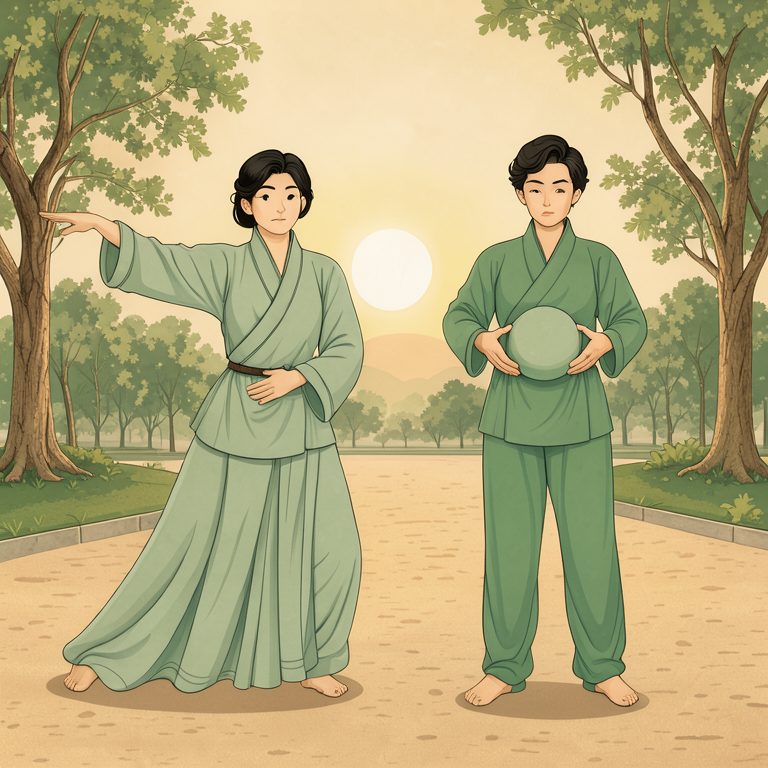
Qigong: working with the body’s energy
Break the word apart and the definition is practical: Gong means “work,” and Qi is the energy that circulates within the body, so qigong means the cultivation of the body’s energy to increase and control its circulation[4]. The practice has been used in China for thousands of years, and it sits inside the framework of Chinese medicine: the classical Qi Hua Lun (Theory of Qi Variations) and Jing Luo Lun (Theory of Qi Channels and Branches) describe how qi relates to nature and how it moves through the body — jing meaning the primary channels (meridians), the major connectors of the internal organs with the rest of the body, and luo the subchannels that branch out from them[4].
Today qigong is practiced in parks and community centers around the world, most commonly for health purposes — what one source calls an amalgamation of exercise with Chinese medicine theory. It has diversified into hundreds of forms while the core principles behind each stay the same, with medical qigong the most common category and martial qigong next[1][2]. And no, it is not simply “yoga plus meditation”: while yoga works to stretch and open the body, qigong aims to reshape it “from the inside out,” working with the tangibility of the body first before progressing into the subtler realms of the mind[2].
Neigong: a process, not a set
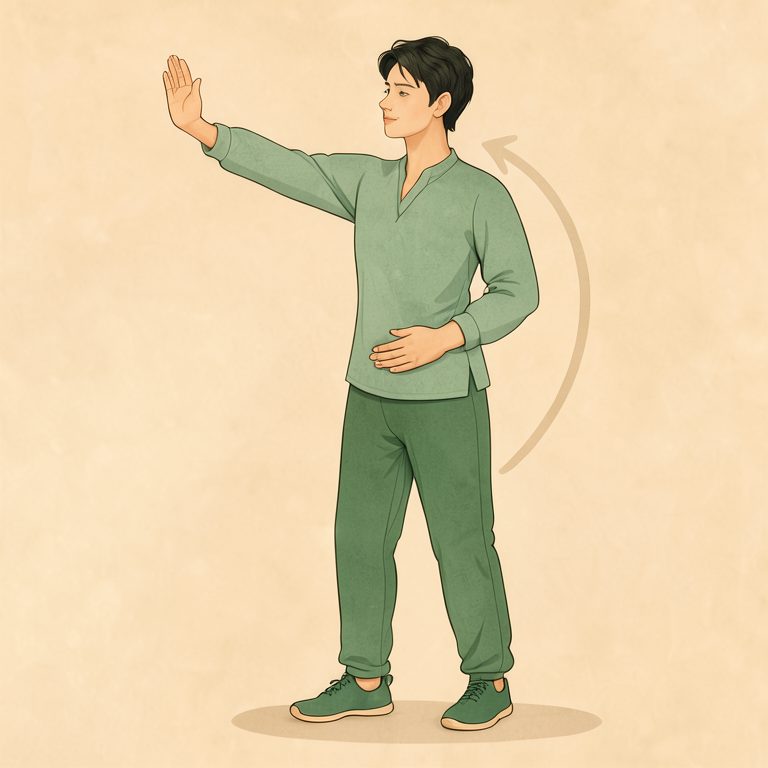
Neigong translates as “internal skill.” Taken literally it refers to a very specific series of changes the body can go through when trained in the correct manner — not a specific set of exercises, but a process laid out in a clear and surprisingly linear way[2]. In Mitchell’s earlier definition, it is “the process by which a person may condition their physical body, cultivate their internal universe and elevate their consciousness,” unfolding in three stages: first the physical body, then the energy system, then direct work with the elements of consciousness[3].
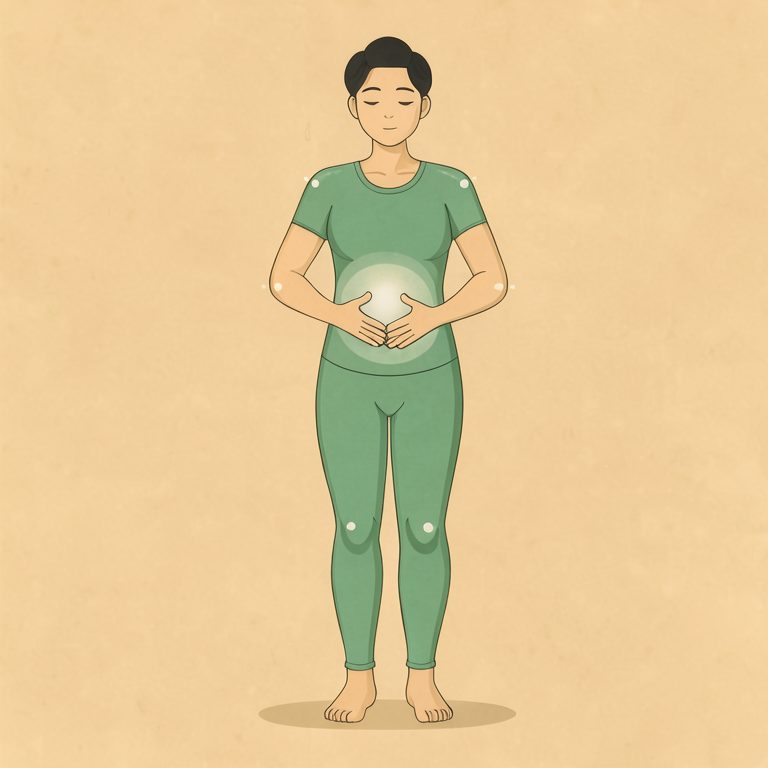
Inside most classical schools of qigong, moving through that neigong process is the inherent aim, and the qigong exercises themselves are simply the “tools” that facilitate it. If you practice only for relaxation or as a health exercise — a more than acceptable aim — there is no need to study the neigong process at all; it is a long and complex path for the most dedicated students[2]. Training divides into three broad aspects — standing, moving, and seated practice — with standing as the starting point (developing skills like “sinking the Qi” and locating the lower Dan Tian), then movement to circulate qi, and finally seated work for the more intricate stages[2].
Why the terms get confused
First, teachers disagree. “What are the differences between Qi Gong, Nei Gong and Nei Dan? The answer to this will depend largely upon the teacher,” writes Mitchell — some use the terms qigong and neigong interchangeably, others do the same with neigong and neidan, so it pays to understand the vocabulary a teacher uses before you begin[1]. Yang, for example, uses the opposite convention, describing “Qigong, also called Nei Gong (Internal Gongfu)”[4].
Second, the nei dan / wai dan axis adds another layer. In wai dan (external elixir) practice, qi is built up in the limbs and then moved into the body; nei dan (internal elixir) exercises build up qi in the body and lead it out to the limbs. Nei dan theory is deeper and harder to practice, and it was traditionally transmitted far more secretly than wai dan[5]. Mitchell places neidan a step further still: a stage of meditative training considered “higher and more difficult” than either qigong or neigong[1].
Traditional View vs Modern Physiology
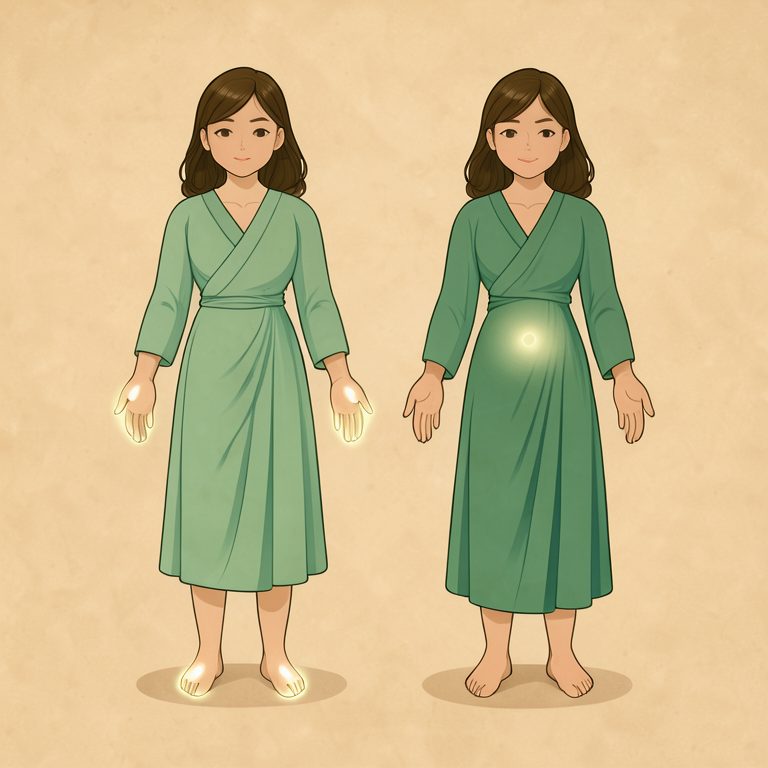
Traditional teaching frames the work in the vocabulary of qi and channels: regulate the qi and the body moves closer to a state of good health[2][4]. It is worth stating the honest caveat printed in Yang’s own series preface: a “hard-science” physiology for qi and its vessels has not been established. Preliminary findings correlate skin electrical impedance at points used in acupuncture, but careful, replicable research has largely been lacking, even as Herbert Benson’s work on the relaxation response gave solid support to the influence of mental calmness[7].
Modern readers can translate the traditional map into ordinary physiology without abandoning it. Standing and moving practice is classically explained as interrupting a cycle of an over-excited cerebral cortex, providing calming stimuli that allow it to rest — a quiet state the same source attributes to three main factors, the first being relaxation combined with maintained concentration, which should be kept soft, pleasant, and relaxed, since an overly strong focus can overload the very system it aims to settle[8]. Classical descriptions of relaxation (fangsong) — releasing muscular and psycho-emotional tension — note that a relaxed body consumes less oxygen and that the regulating capacity of the autonomic nervous system gradually improves[9]. Under either vocabulary, the same daily behaviors do the work: gentle full-range movement, unforced breathing, and quiet attention[8][9][10]. This combination may support calm and body awareness; it is not intended to cure, treat, or diagnose any medical condition.
A Gentle Way to Explore Both
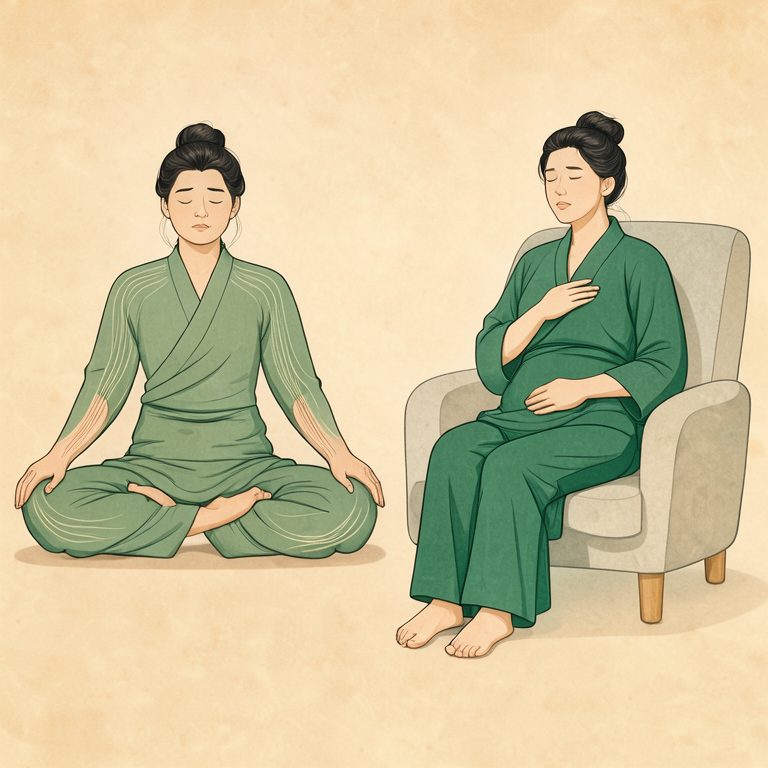
Traditional programs and modern descriptions agree on temperament more than technique: start small, stay natural, and let consistency do the heavy lifting[1][2]. The following orientation protocol is compiled from the instructional sources above — it is a way to sample both ends of the spectrum safely, not a substitute for learning with a qualified teacher[12].
Safety Notes
The internal traditions carry explicit cautions, and they are worth reading before anything else. Mitchell’s neigong training guidelines advise that people under age 18 should not practice neigong (other internal arts such as taijiquan are fine), and that women who are pregnant or may be pregnant should not practice it at all — gentle stretching and breathing exercises only, with no Dan Tian-focused work[2]. Those with a recognized chronic mental illness should not practice neigong[2], and people with severe heart disorders should approach it cautiously and consult both a skilled Chinese medical practitioner and their teacher[2]. Regular recreational drug use — especially hallucinogens — is grounds not to practice, and one should never practice while intoxicated. People with cancer should notify their teacher of the condition and work carefully with them; the same guidelines single out cancer present within the lymphatic system as the one form that should not be combined with neigong, because the increased flow of qi also influences the lymphatic system[2].
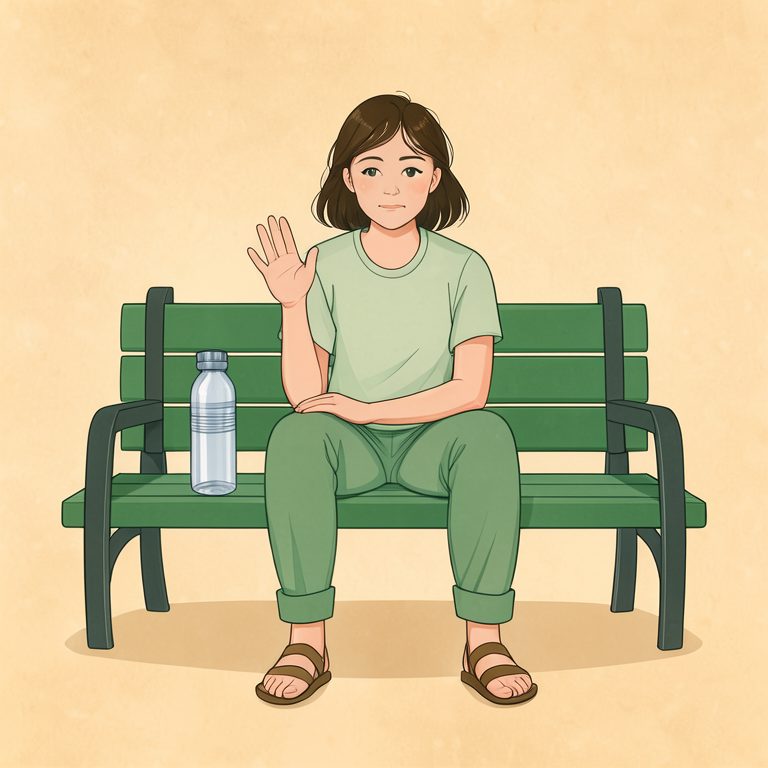
Heart rhythm can be disturbed by practicing while extremely stressed, while chronically exhausted, alongside heavy coffee intake, when the qi cannot be sunk properly, or with too strong a level of mental focus[2]. Advanced nei dan was historically learned directly from a master precisely because inaccurate practice can cause serious harm — a tradition of caution, not of mystery for its own sake[6]. Forced breathing can cause dizziness and chest pain[10].
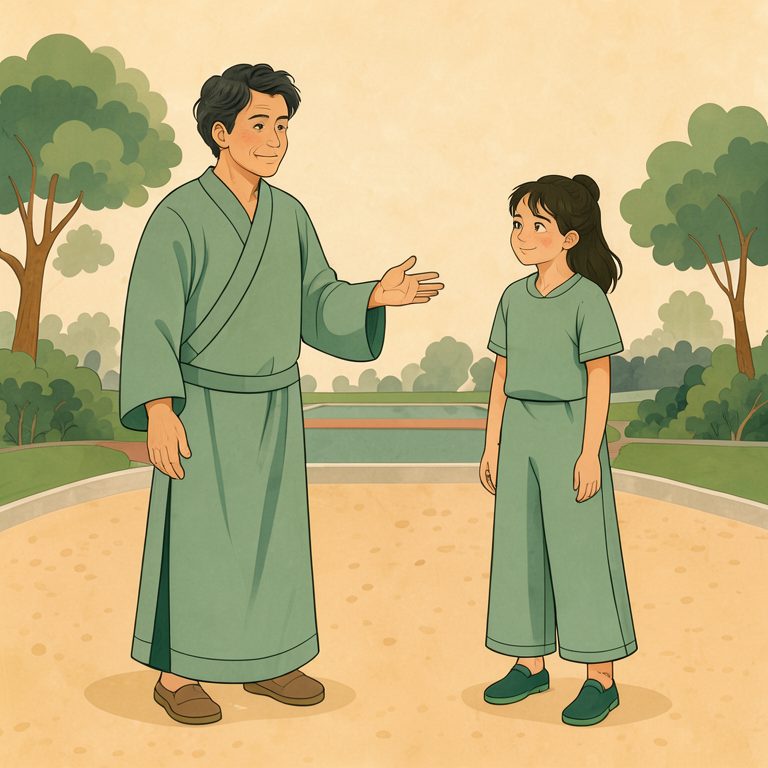
None of this is medical advice: it is a practice guide. This material is not intended to cure, treat, or diagnose any medical condition and is not a substitute for professional care. If you are pregnant, managing a chronic condition, or recovering from injury, consult your physician before starting any new practice.
Related reading: our reviews of Joint Genesis and Unlock Your Hip Flexors.
Frequently Asked Questions
Is neigong the same as qigong?
No. Qigong names the daily moving and stationary exercises that combine posture, breath, and mental intention; neigong names the staged internal process those exercises are traditionally used to support[1][2]. Some teachers use the terms interchangeably, so ask how a school defines them before you begin[1].
Can I learn neigong from a book?
Books can lay out the theory and the exercises, but the source tradition treats written material as support rather than a substitute for learning with a qualified teacher[12] — advanced nei dan was historically learned directly from a master precisely because inaccurate practice can cause serious harm[6].
Who should not practice neigong?
One classical training guideline advises against neigong for anyone under age 18 and for women who are pregnant or may be pregnant, and calls for caution with recognized chronic mental illness and severe heart disorders[2].
Sources
- [1] Damo Mitchell — White Moon on the Mountain Peak (2016)
- [2] Damo Mitchell — A Comprehensive Guide to Daoist Nei Gong (2018)
- [3] Damo Mitchell — Daoist Nei Gong. The Philosophical Art of Change (2011)
- [4] Yang, Jwing-Ming — Qigong for health and martial arts exercises and meditation (1998)
- [5] Yang, Jwing-Ming — Tai Chi Qigong – The Internal Foundation of Tai Chi Chuan (2013)
- [6] Yang, Jwing-Ming — Eight Simple Qigong Exercises for Health – The Eight Pieces of Brocade (1997)
- [7] Yang, Jwing-Ming — The Root of Chinese Qigong – Secrets of Health, Longevity, Enlightenment (1997)
- [8] Wang Xuanjie, John Moffett — Zhuang Gong (Traditional Practices of China) (2006)
- [9] Lin Houshen, Lo Peiyu — Secrets of Chinese Medicine: 300 Questions about Qigong
- [10] Wong Kew Kit — Qigong and Health (2006)
- [11] Jiao Guorui — Basics of Health Qigong (2013)
- [12] Wang Lipin — Daoist Internal Mastery (2019)
How We Researched This
This article is based on our local library of 1,137 traditional wellness books; no web search or outside sources were used. Every factual statement was checked against the source passages and is cited in the numbered Sources above.
