
Educational content only — not medical advice. See our full Medical Disclaimer and Affiliate Disclosure below.
Walk into a pantry built on Chinese kitchen habits and three dried fruits keep appearing side by side: the jujube fruit, goji berries, and longan. Western shelves usually meet them separately – jujube as a chewy red date, goji as a smoothie topper, longan mainly in herbal shops – but the practice texts of Asia have long treated them as a set of everyday tonic fruits, eaten for quiet support rather than as medicine.[1][2] This guide walks through what those texts actually say, tradition by tradition, and marks honestly where the record runs thin.
The sources behind every claim here are a fixed shelf: two Daoist practice manuals by Damo Mitchell (one with Roni Edlund), a Tibetan medical compendium, Robert Svoboda’s Ayurveda, two Chinese food-therapy books by Henry B. Lin and Henry K. Lou, and one herbal-pharmacology encyclopedia.[1][2] Where that library is silent – on recipes, doses, or history for these fruits – the guide says so instead of borrowing grander claims from elsewhere. Traditional statements below are reported as traditional use, never as medical promises.
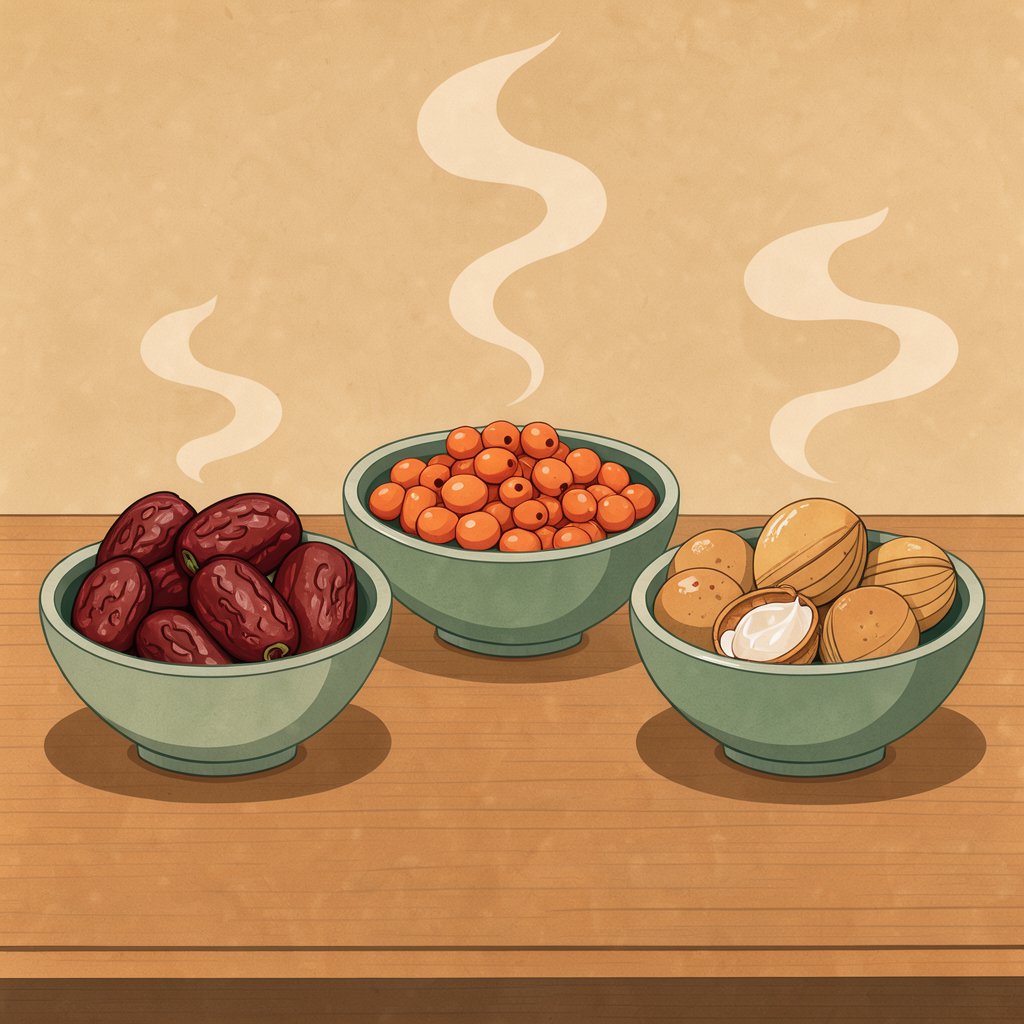
Key Takeaways
- Tonic fruit, as used here, means an everyday food eaten for support: in the indexed texts, jujube, goji, and longan appear only inside diets and food lists – never as prepared medicines.[2][5]
- Each tradition reads the fruits through its own lens: Tibetan taste-and-energy qualities for jujube[3], Ayurvedic purification staging[4], and Chinese food-therapy classification for longan[6].
- The kitchen guidance is principle-shaped, not recipe-shaped: warmth while rebalancing, a soup anchor, and fruits as members of whole-food patterns – no grams, servings, or protocols exist for these fruits in the corpus.[2]
- One clean safety note: the pharmacology source lists lycium (goji) among herbs associated with over-anticoagulation, so readers on blood thinners should ask a clinician first.[7]
What Are Jujube, Goji, and Longan?
A tonic fruit, in the sense this guide uses the phrase, is an everyday food eaten for gentle, ongoing support rather than a preparation aimed at a named illness. Jujube fruit, goji berries, and longan are the three dried fruits that keep appearing in this role across the practice literatures of China, Tibet, and India. In every indexed source they enter the page as food – inside diets, food lists, and kitchen rules – never as medicines.[2][5][6]
The sources also settle the naming. The Tibetan compendium catalogs the jujube under the name unabi, treating the two words as one fruit[3]; the herbal-pharmacology encyclopedia uses the genus name lycium for what kitchens call goji[7]. Longan carries no competing name in these texts. It appears under its own name, plain and unruffled, exactly where the food-therapy books file it.
An honest scope note belongs up front. The indexed texts contain no botanical descriptions, no origin stories, and no classical histories for any of the three fruits, and no recipes or gram-level doses anywhere in the corpus. This guide therefore reports what the practice texts actually say – food-list memberships, quality profiles, and kitchen principles – and marks the edges of that record rather than papering over them with borrowed lore.
How Do Traditional Systems Classify Tonic Fruits?
Before the fruits, the logic – because each tradition judges a food by a different yardstick. Tibetan medicine reads a food through a taste-and-energy profile, a short list of qualities such as sour, rough, warm, or light that describes how the food is understood to behave. Its entry for jujube runs through exactly such a list and closes with an affinity for the heart and the stomach[3]. The profile is the classification: a food is known by the qualities the tradition assigns it.

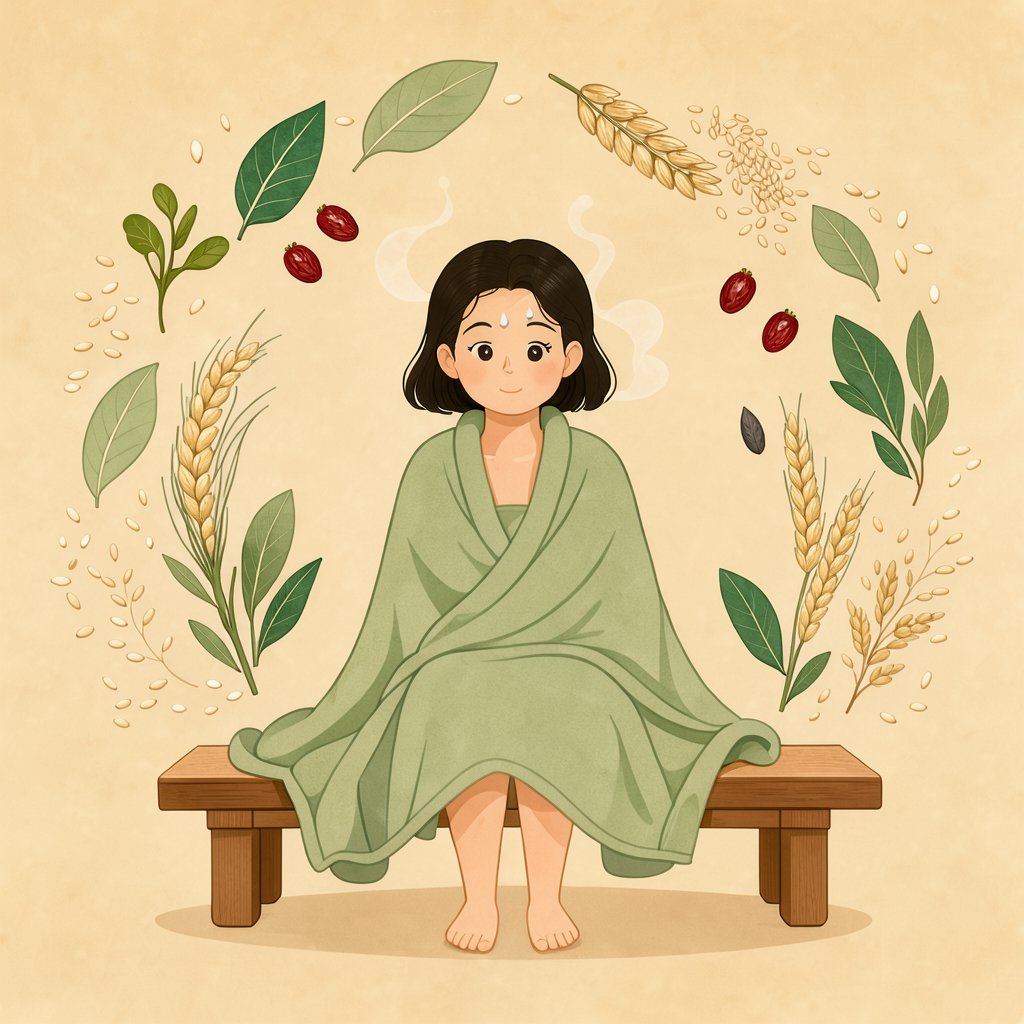
Ayurveda, in Robert Svoboda’s account, classifies by role in a larger sequence of purification. Some plants are diaphoretic – they encourage the body to sweat more easily – and they belong to the sweat-therapy stage that precedes the deep cleanse of panchakarma[4]. A fruit on this shelf is judged less by what it is than by where it sits in the order of a therapy.
Chinese food therapy, the third lens, sorts the everyday table itself. Henry K. Lou’s system of treatment through food assigns familiar kitchen items – longan among them – places in a healing classification, so that an ordinary pantry reads as a healing materia in its own right[6]. The translated text around the longan entry is too damaged to recover its taste or property data, but the membership itself is on the page. Three systems, three logics: qualities, staging, and classification – and the next sections turn each lens onto the fruit it describes best.
Goji Berries: The Meditator’s Food and Blood Tonic
Goji berries are the best documented of the three fruits in this library, and both of the strongest passages come from the Daoist side of the shelf. Damo Mitchell’s practice writings treat goji twice – once for the meditator, once for women rebalancing Blood – and both contexts are worth reading carefully, because neither is a supplement pitch.[1][2] Each passage is unpacked below in its own words, within the limits of paraphrase.
A food for meditation practice
In Daoist Reflections from Scholar Sage, Mitchell names goji berries and spirulina as great foods for meditation practitioners. The context is a pineal-gland healing passage built on organic greens, a de-calcifying effort, and plenty of pure water – a meditator’s table rather than a medicine cabinet[1]. The berry earns its place inside a whole eating pattern, not as an isolated extract. Notably, the passage offers no amounts and no preparation; the food and the practice arrive as one package.

Goji in the women’s Blood-support diet
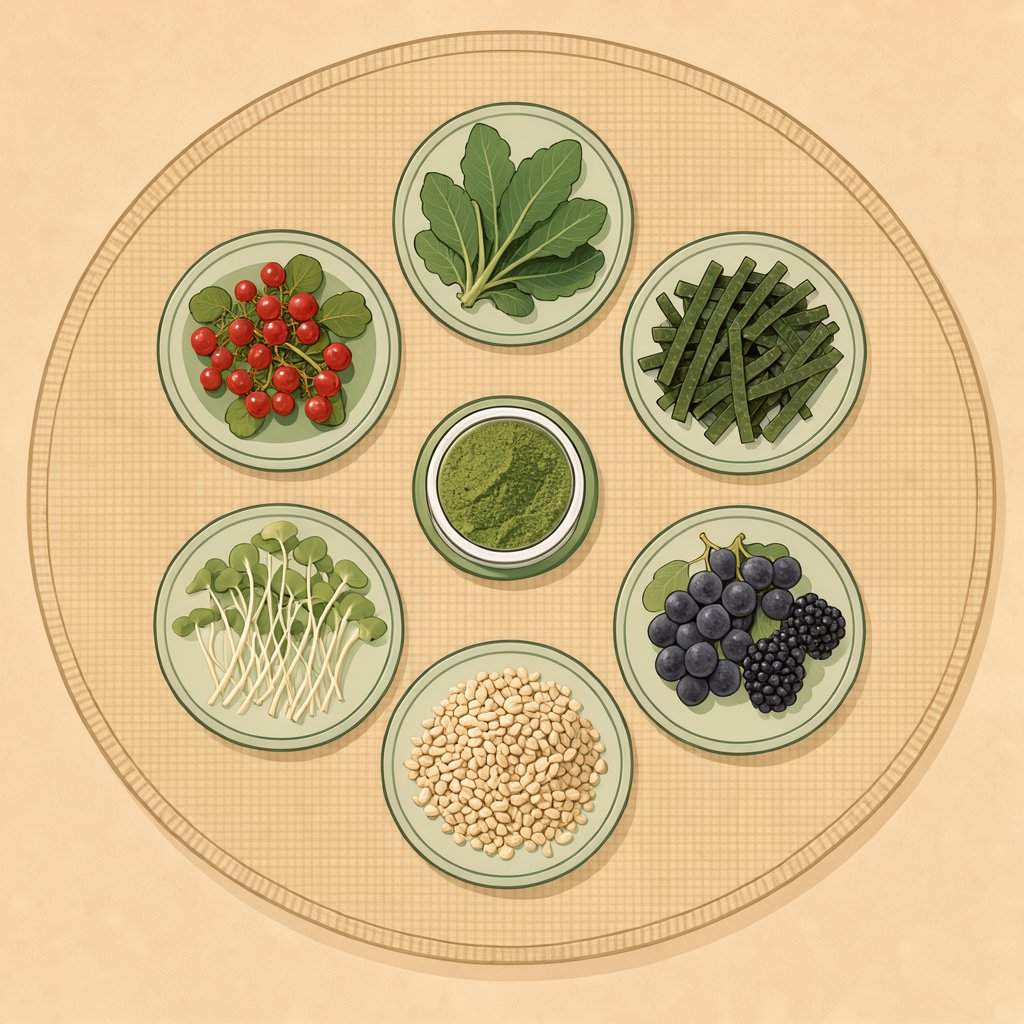
In Daoist Nei Gong for Women, Mitchell and Roni Edlund list goji berries inside a diet for TCM Blood deficiency, alongside dark green leafy vegetables, seaweed, spirulina, sprouts, whole grains, black grapes, and blackberries[2]. The set is pointedly ordinary – greens, grains, berries – with goji as one voice in the choir rather than a soloist. The manual offers no servings or frequencies for any item on the list, and this guide will not invent them. What the diet does come with are two kitchen rules, warmth and a soup anchor, explored in the Chinese kitchen section below.
Jujube (Unabi): A Warm Fruit for the Heart and Stomach
Jujube barely appears in the Daoist diet lists, yet it carries the richest quality description of the three fruits elsewhere on the shelf. Two traditions describe it from two directions – Tibetan medicine by quality profile, Ayurveda by therapeutic role[3][4]. Read together, the two views make an instructive pair: the same fruit, two entirely different questions asked of it.
The Tibetan profile
The Tibetan compendium’s entry for unabi, the jujube, reads as a single dense line of qualities: sour, rough, sharp, dry, oily, warm, and light, with a noted usefulness for the heart and the stomach[3]. It is a one-line entry in a rough translation, so it deserves paraphrase rather than quotation. Still, the shape is clear – a warming, drying fruit aimed at two organs – and it is the most specific traditional description of any of the three fruits in this library.
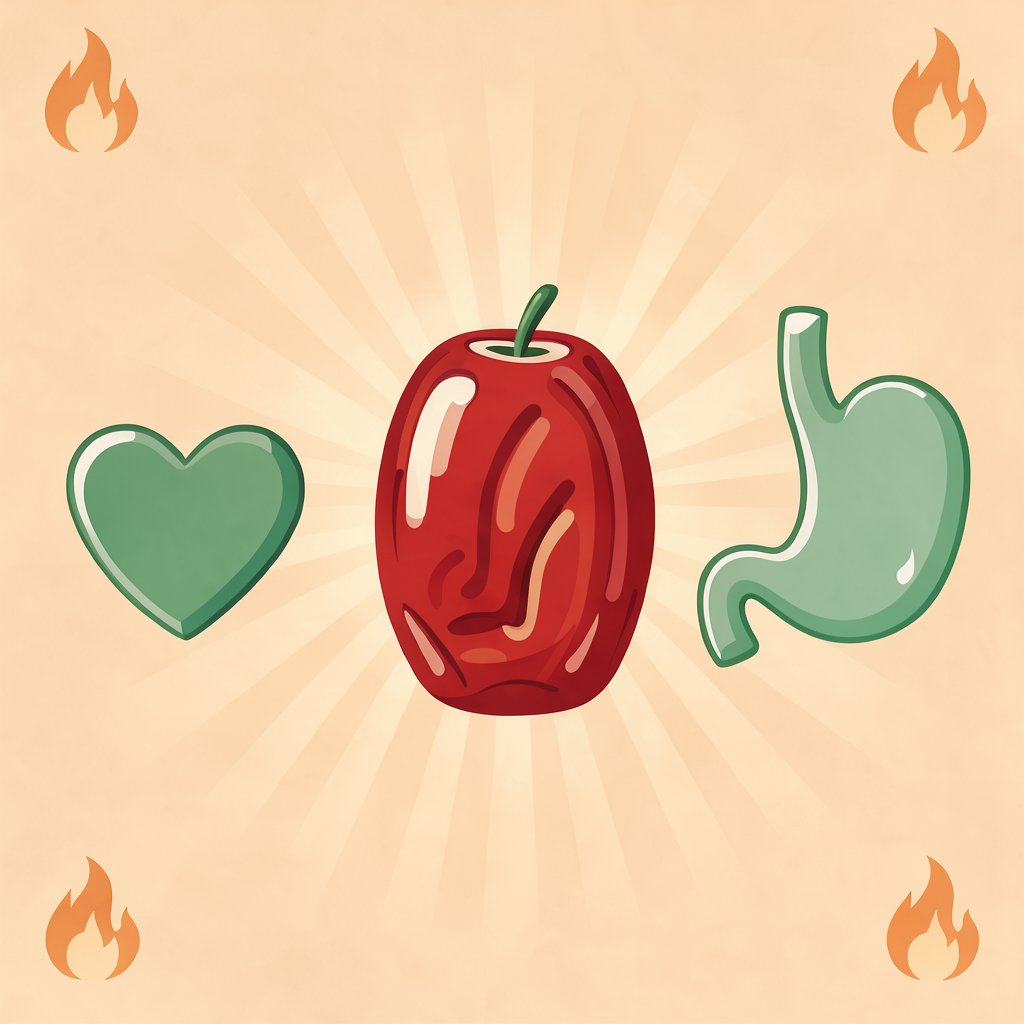
The Ayurvedic role
Svoboda’s Ayurveda places jujube on a different kind of list: among the diaphoretic plants – together with castor root, punarnava, barley, sesame, kulattha, black gram, and drumstick – that encourage the body to sweat more easily in the sweat-therapy stage before panchakarma[4]. Here the same fruit is read not through qualities but through function in a purification sequence. The cautions attached to that therapy belong to the safety section below, not to the fruit on a plate.
Longan: The Sweet Fruit in Blood-Enriching Food Sets
Longan is the quietest of the three, and honesty suits it. Henry B. Lin’s Chinese food-therapy material lists longan as a sweet, delicious fruit inside a blood-enrichment food set drawn up for anemia contexts – a set that also counts carrots, black beans, spinach, beef, onions, and daylily[5]. The entry survives only in a rough machine translation, so this guide paraphrases rather than quotes it. Even so, the shape of the claim is plain: longan belongs with familiar kitchen foods that the tradition groups around nourishing the blood.
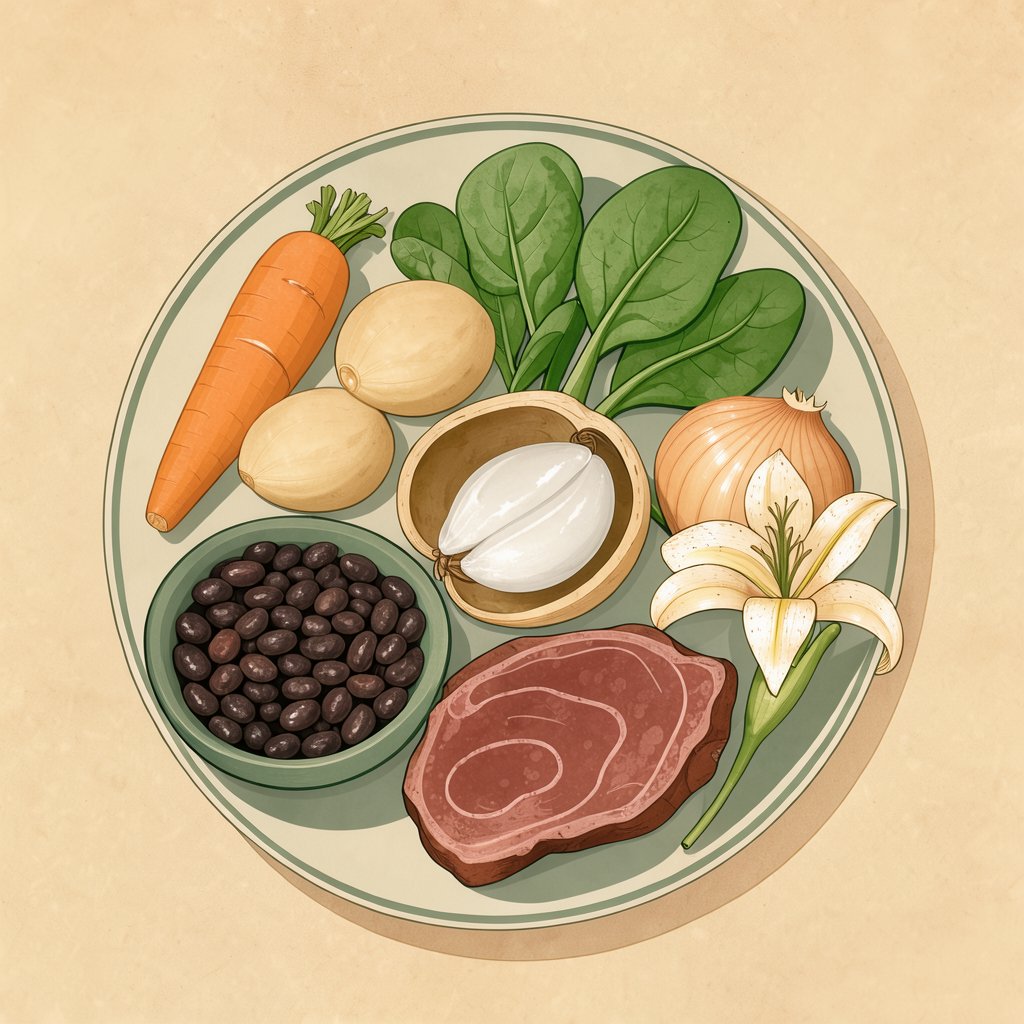
Lou’s book independently places longan in a Chinese food-classification list, which at minimum proves the fruit holds a slot in the food-therapy materia – though the surrounding text is corrupted and yields no taste or property data[6]. Two independent listings are real evidence, and they are also all the evidence there is. No mechanism, no history, and no preparation for longan survive anywhere in this corpus.
That thinness deserves a plain sentence of its own: longan has the weakest sourcing of the three fruits in the indexed library, so grander longan claims encountered elsewhere – royal-court legends, energy promises – deserve calm skepticism until their sources appear. The tradition’s own record asks for modesty here. Both blood-oriented food sets, goji’s and longan’s, point to the same place when read side by side: the everyday kitchen, not the pharmacy.
How Do Tonic Fruits Fit the Chinese Kitchen?
This is the question readers actually arrive with – so how is one supposed to cook with these? – and the indexed texts give an honest, slightly deflating answer: no jujube soup protocol, no goji tea protocol, and no longan porridge protocol exists anywhere in this corpus. The three fruits enter these traditions as members of food patterns, not as recipe stars. That is not a failure of the fruits; it is a fact about the kind of texts this library holds, and pretending otherwise would serve no reader.
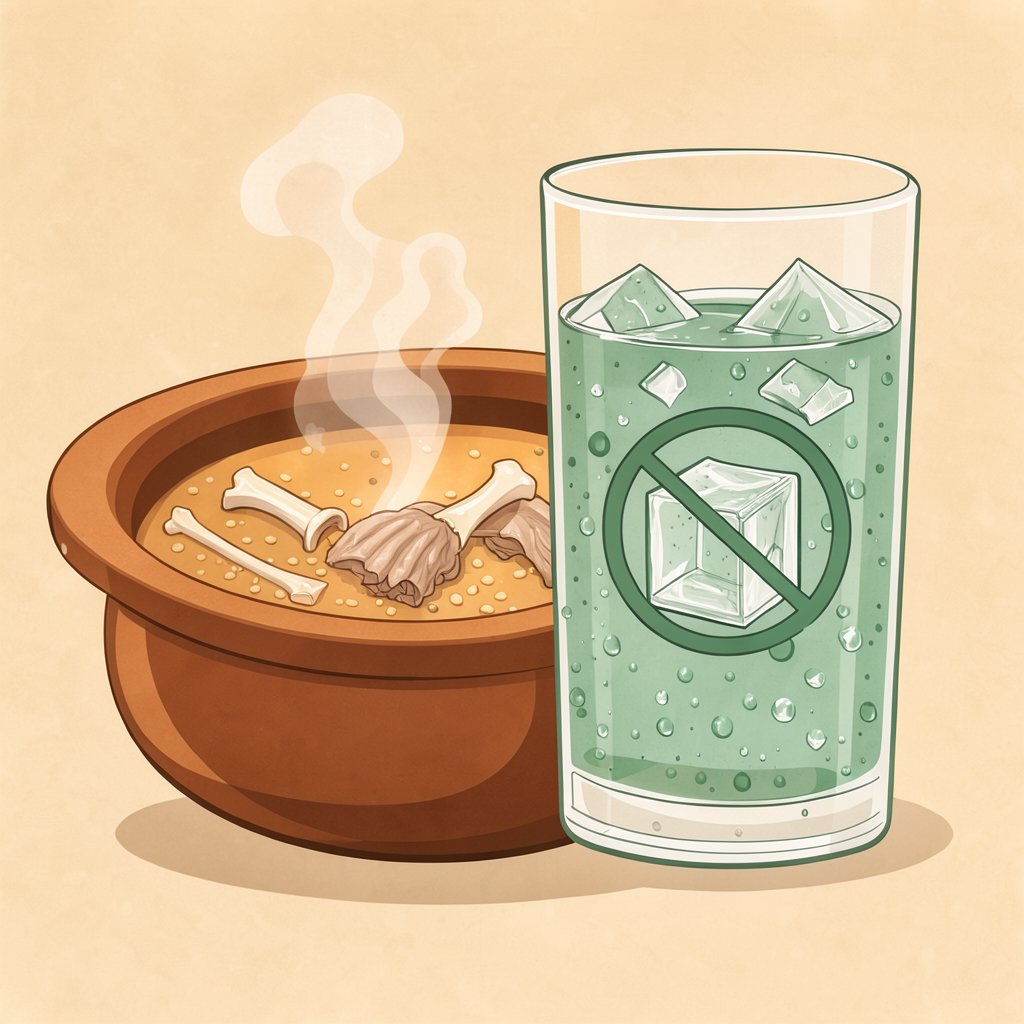
What the texts do prescribe around the fruits is more interesting than a recipe. The Blood-deficiency diet that lists goji is anchored by meat-and-bone soup, which Mitchell and Edlund call a powerful Blood tonic – the most emphasized single food in the program[2]. The same manual attaches one explicit kitchen rule: avoid all cold foods and drinks while rebalancing[2]. A warm table, a long-simmered soup, and berries scattered through the pattern – that is the kitchen these books actually describe.
Lou’s system supplies the philosophy underneath: healing through ordinary eating, with familiar foods classified by their effects, so the kitchen itself becomes the practice[6]. The fruits sit inside that philosophy rather than above it. Readers hunting for exact congee or tea constructions will not find them in these sources, and a guide that printed one anyway would be writing fiction under a traditional byline. For the long-simmered soup tradition itself, our Chinese herbal bone broths guide is the companion piece.
What the Practice Texts Say and What They Leave Out
An audit keeps tradition honest, so here is the ledger. What the indexed texts give: whole-food patterns – goji with greens, grains, and berries; a soup as anchor; quality profiles like the Tibetan jujube line; and explicit kitchen rules such as the warmth instruction. What they do not give, anywhere: grams, servings, frequencies, or standardized doses for any of the three fruits[1][2]. The texts teach principles, not prescriptions, and every practical section of this guide inherits that limit.
The gaps run deeper than dosing. There is no classical-history framing – no legendary herbarist narrative, no dynastic materia-medica story – for these fruits in the English corpus this library holds, and no discussion of clinical trials either. The single place the fruits touch modern pharmacology is a safety listing: lycium’s appearance in an interaction context in the herbal encyclopedia, unpacked in the safety section below[7]. Efficacy claims, one way or the other, are simply not on these pages.
One more caveat belongs in the ledger. Several of the underlying sources – Lin’s, Lou’s, and the Tibetan compendium – survive only as rough machine translations, which is a standing argument for stating traditional claims conservatively[3][5][6]. Where the record is thin, dented, or absent, this guide’s policy is to say so plainly. The section that follows converts what does remain into practical, low-risk habits.
How to Use Tonic Fruits in Daily Practice
The texts resist step-by-step protocols, but their principles translate cleanly into five concrete habits. Each step below restates something a source text actually prescribes, and each stops where the sources stop. None of the steps carries a dose, because none of the sources provides one.[1][2]
Step 1: Keep the fruits inside food patterns
Treat goji as a member of a set, not a standalone supplement. The Blood-support diet that features it pairs goji with dark leafy greens, seaweed, sprouts, whole grains, black grapes, and blackberries – a full pattern of ordinary foods[2]. If eating the berries alone as a superfood extract appeals more than rebuilding a diet, that is a sign the pattern, not the berry, is doing the traditional work.
Step 2: Keep the table warm while rebalancing
The one explicit kitchen rule in the women’s program is warmth: avoid all cold foods and drinks while rebalancing Blood[2]. In practice that means warm meals and warm drinks during any period of following such a pattern. The rule is dietary guidance from a practice manual – a tradition’s instruction, not a clinical prescription – and it is quoted here with exactly that status.
Step 3: Anchor the pattern with a long-simmered soup
Meat-and-bone soup is the named powerful Blood tonic of the same program – the anchor the whole diet is built around[2]. The fruit-list foods circle around the soup, not the other way round. Our Chinese herbal bone broths guide walks through that slow-simmered kitchen tradition in detail for readers who want the anchor before the trimmings.
Step 4: Pair goji with the wider meditation diet
For practice support, Mitchell’s meditation context is the model: goji and spirulina alongside organic greens and plenty of pure water, inside a pineal-gland healing passage[1]. The pairing is the point – the berry appears within a diet assembled for meditators, not as a solo cognition aid. No isolated goji protocol for meditation exists anywhere in the text, and none should be improvised from it.
Step 5: Treat the lists as program guidance, not self-prescription
The women’s Blood diet comes from a structured neigong curriculum – a teacher-guided rebalancing program, not a self-service menu[2]. The honest translation of that origin: use these patterns for orientation, and let a teacher’s or clinician’s assessment shape any real attempt to follow them. Even food-level habits have edges, which is exactly where the next section begins.
Safety, Interactions, and Contraindications
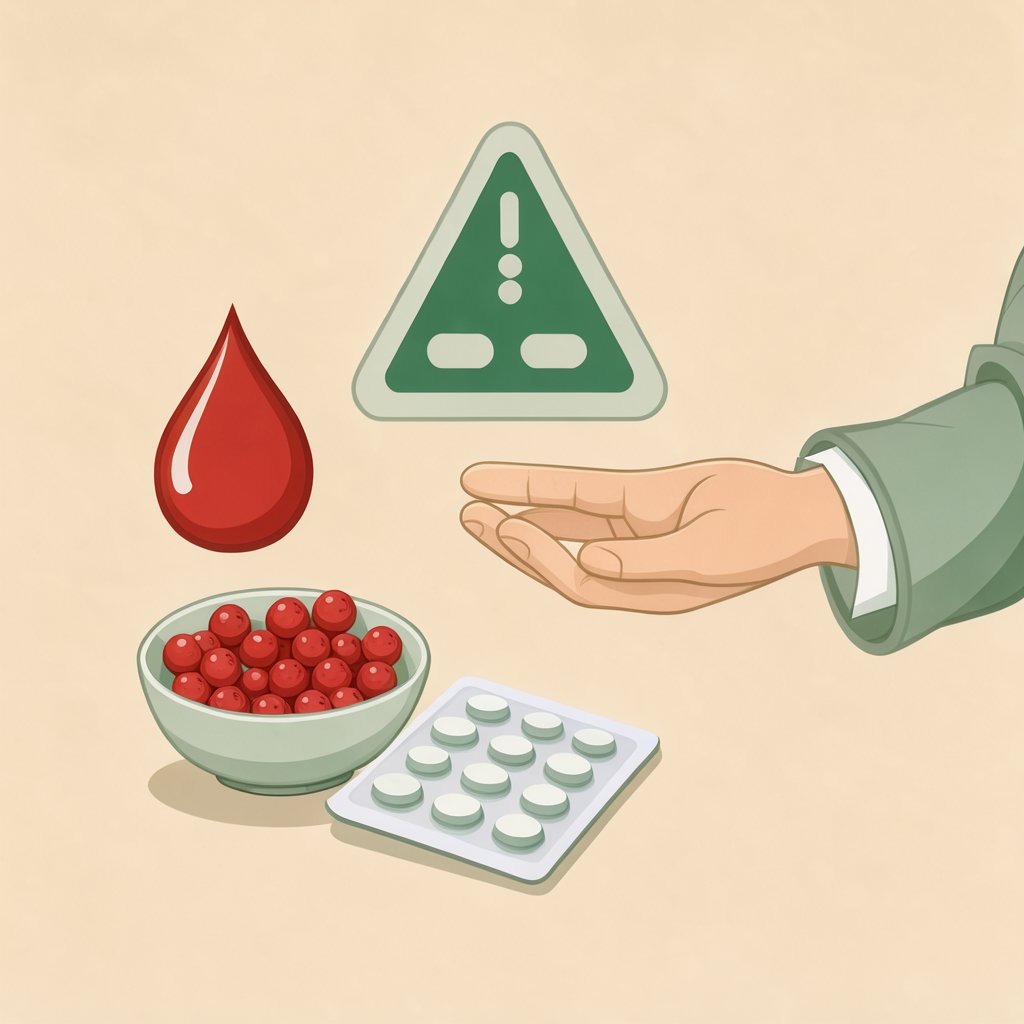
Traditional does not automatically mean risk-free for everyone. The herbal-pharmacology encyclopedia – Barnes and Anderson’s Herbal Medicines – lists lycium, the goji plant, among the herbs associated with over-anticoagulation, in the company of papaya, mango, and the PC-SPES episode, and in an interaction context shared with ginseng, green tea, soy, and St John’s wort[7]. It is the single clean pharmacological caution for these fruits in the entire indexed library. The practical bridge is straightforward: readers taking blood-thinning medication should ask a clinician before making goji a regular food.
Svoboda’s contraindication list belongs to therapeutic sweating, not to eating jujube: pregnancy, bleeding disorders, recent intoxicants, extreme body weight, diarrhea, jaundice, anemia, consumption, and food poisoning all argue against the sweat-therapy stage of panchakarma[4]. That scope matters and is worth repeating – the list governs a therapy, not a fruit. The indexed corpus contains no direct food-level contraindication for eating any of the three fruits, and a careful guide does not manufacture one.
This guide is educational content about traditional food uses; it is not medical advice, and these fruits are foods, not approved treatments for any condition. If you are pregnant or nursing, managing a bleeding disorder or anemia, or taking prescription medication – especially anticoagulants – talk with a qualified clinician before changing how you eat around these traditions. The same caution extends to children and to anyone under active medical care.
Frequently Asked Questions: Jujube, Goji, and Longan
What do Daoist teachers say about goji berries?
Two modest things. Damo Mitchell names goji and spirulina great foods for meditation practitioners, inside a pineal-gland healing context of organic greens and plenty of pure water[1]. Mitchell and Roni Edlund also list goji in a women’s Blood-deficiency diet with dark leafy greens, seaweed, sprouts, whole grains, and blackberries[2]. Browse the gut health and eastern nutrition hub for sibling food traditions.
Is jujube a warming fruit?
By the Tibetan profile, yes. The compendium’s unabi entry lists warm among its qualities – alongside sour, rough, sharp, dry, oily, and light – with an affinity for the heart and the stomach[3]. It is a one-line, roughly translated entry, but the warming classification is explicit. For warm-table traditions generally, see our warm breakfast traditions guide.
What is longan used for in traditional food therapy?
In the indexed texts, one thing: Lin lists it as a sweet fruit inside a blood-enrichment food set for anemia contexts, together with carrots, black beans, spinach, beef, onions, and daylily[5]. Lou’s classification list confirms its membership in the food-therapy materia[6]. Longan is the thinnest-sourced of the three fruits – treat grander claims with skepticism. Our traditional diets guide covers similar food-first systems.
Can goji berries interact with medications?
Possibly with blood thinners. The herbal-pharmacology encyclopedia lists lycium among herbs associated with over-anticoagulation, in an interaction context shared with ginseng, green tea, soy, and St John’s wort[7]. Readers on anticoagulant medication should ask a clinician before regular goji use. The same herbs-and-medication logic runs through our golden root guide.
Are there traditional recipes with jujube, goji, or longan?
Not in the indexed corpus – none for soup, tea, or porridge. The texts teach principles and food patterns instead: warmth while rebalancing, a meat-and-bone soup anchor, goji inside a greens-and-grains pattern[2]. For the soup tradition itself, start with our Chinese herbal bone broths guide.
Who should be cautious with these traditional practices?
Two groups surface in the sources. Blood-thinner users, because of the lycium over-anticoagulation listing[7]; and anyone considering Ayurvedic sweat therapy – Svoboda’s list excludes pregnancy, bleeding disorders, recent intoxicants, extreme body weight, diarrhea, jaundice, anemia, and food poisoning from that therapy specifically[4]. The caution attaches to the therapy, not to eating fruit. See our medical disclaimer.
Read together, the three fruits tell one story: tonic fruits of the Chinese kitchen earn their place through membership, not magic – a berry in a meditator’s diet, a warm fruit for the heart and stomach, a sweet fruit in a blood-nourishing set[1][3][5]. Each tradition contributes its own lens, and none of them promises more than food can honestly carry. That is a quiet, durable standard for any pantry: eat the pattern, keep the table warm, respect the cautions, and let the fruits be fruits.
Sources
- [1] Damo Mitchell — Daoist Reflections from Scholar Sage (2016) — the meditation-diet source: goji berries and spirulina named great foods for meditation practitioners in a pineal-gland healing context of organic greens and pure water.
- [2] Damo Mitchell, Roni Edlund — Daoist Nei Gong for Women (2016) — the Blood-deficiency diet listing goji with dark leafy greens, seaweed, spirulina, sprouts, whole grains, black grapes, and blackberries; the meat-and-bone soup anchor; and the avoid-all-cold-foods rule.
- [3] Tibetan Medicine Today — Wonderful Coconut of Healing Knowledge — the unabi (jujube) taste-and-energy profile: sour, rough, sharp, dry, oily, warm, light; useful for the heart and stomach.
- [4] Robert E. Svoboda — Ayurveda (2015) — jujube among the diaphoretic plants used in the sweat-therapy stage before panchakarma, and that therapy’s contraindication list.
- [5] Henry B. Lin — Chinese Healing Therapies (2005) — longan as a sweet fruit inside a blood-enrichment food set for anemia contexts, with carrots, black beans, spinach, beef, onions, and daylily.
- [6] Henry K. Lou — The Chinese System of Treatment Through Food (2007) — the food-classification system that places longan in the Chinese food-therapy materia and turns ordinary eating into practice.
- [7] Joanne Barnes, Linda Anderson — Herbal Medicines — the lycium (goji) entry in the over-anticoagulation interaction context, alongside papaya, mango, PC-SPES, ginseng, green tea, soy, and St John’s wort.
Where to go next: to keep exploring food as tradition, the Chinese herbal bone broths guide details the soup anchor this article keeps referencing, and the warm breakfast traditions guide extends the warm-table rule to the start of the day. For the fermentation side of the same Eastern nutrition silo, see fermented foods versus probiotic capsules, and for a longer lens on traditional eating patterns, the Okinawan diet and Blue Zones guide pairs well with this one.
How we researched this: built from a local library of 1,137 wellness books, indexed and searched offline with no internet sources used at generation time. Every factual claim above was checked against the cited passages of the seven books listed in Sources; where the library is silent – recipes, doses, history for these fruits – the text says so instead of estimating.
