
Educational content only — not medical advice. See our full Medical Disclaimer and Affiliate Disclosure below.
Few herbs carry a nickname as confident as golden root. Rhodiola rosea, a frost-hardy perennial of the Arctic zones of Europe and Asia, earned that name generations ago, and the folk record around it runs from Siberian riverbanks to Scandinavian farmsteads and back to an ancient Greek medical treatise compiled around 70 BC[1]. Modern shelves carry the same root in capsules and teas, and much of today’s rhodiola stress research circles the questions the tradition was already asking: endurance, workload, and how the body holds itself together under pressure. This guide walks the whole arc — the history, the harvest fieldcraft, the classic tincture, the chemistry, and the cautions — with every factual claim footnoted to its source book.
Two references carry the weight. Joseph Mercola’s herbal encyclopedia (2023) supplies the botany, the history, the chemistry, and the marathon trial; T.B. Fursa’s dacha-plot herbal (2005) contributes the foragers’ harvest window and the traditional tincture protocol[1][2]. Where the books are silent — on extract standardization, modern dosing ranges, or drug interactions — this guide says so plainly rather than filling the gap with guesses. Traditional statements below are reported as traditional use, not as medical advice or promises.
Key Takeaways
- Golden root is a frost-hardy Arctic perennial whose brownish-golden rhizome made it a ginseng-class adaptogen in traditional practice — used, as the sources put it, to help the body adapt to stress[1].
- The lore is specific: Siberian families gave girls rhodiola shoots before long winters, and the root has long been revered in the folk medicine of Sweden, Norway, Iceland, and Russia[1].
- The classic tincture protocol is arithmetical: 50 g (1.8 oz) of crushed rhizome per 0.5 L (17 fl oz) of vodka, two dark weeks, then 20–30 drops half an hour before meals[2].
- The chemistry centers on salidroside and tyrosol among 140+ bioactive compounds, with the stress mechanism framed as regulating the release of glucocorticoids[1].
- The safety line is equally specific: elevated blood pressure, agitation, and insomnia are the three states where the root “may do more harm than good”[2].
What Is Rhodiola Rosea (Golden Root)?
Rhodiola rosea is a perennial flowering plant of the Crassulaceae, or thick-leaved, family, growing up to 50 cm (about 20 in) tall, with a brownish-golden rhizome that gave the plant its most famous folk name, golden root. Herbal references class it as an adaptogen comparable to ginseng — a plant whose traditional role is helping the body adapt to stress[1].
The botanical portrait matches the nickname’s ambition. It is a frost-resistant perennial of arctic regions of Europe and Asia, at home in conditions that kill tender garden herbs[1]. Between May and June it sends up dense flower heads that resemble chrysanthemums — red, pink, or yellow, and aromatic — pretty enough that country folk sometimes used them in place of cut roses[1]. The valuable part stays underground: a thick, branching, golden-brown rhizome that holds what the traditions valued[2].
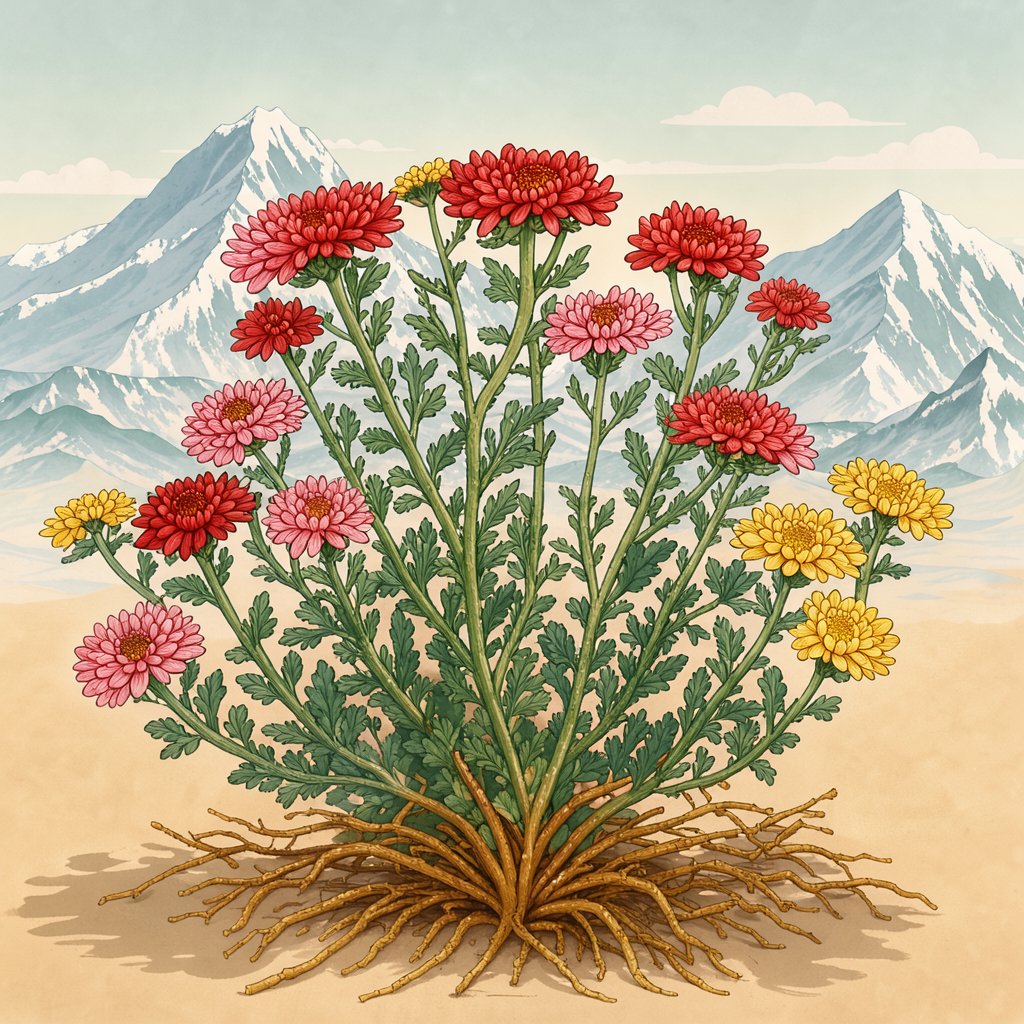
The names themselves are a map of its reputation. Russian herbal tradition calls it rozovy koren — rose root; zolotoy koren — golden root; and korolevskaya korona — royal crown[1]. Three royal names for one modest Arctic plant is not marketing language; it is a record of how seriously generations took this root[1]. Those names were earned somewhere specific, and the next section follows them across the winters and trade routes that made golden root famous.
From Siberian Winters to Scandinavian Folk Medicine
The paper trail is old enough to surprise. Mercola’s encyclopedia notes that rhodiola was mentioned in a famous ancient Greek medical treatise composed around 70 BC — a source that predates most of the herbal canon that survives today[1]. The same reference records thousands of years of traditional use for physical strength and vitality, which places golden root in the small club of herbs whose reputation spans continents rather than villages[1].
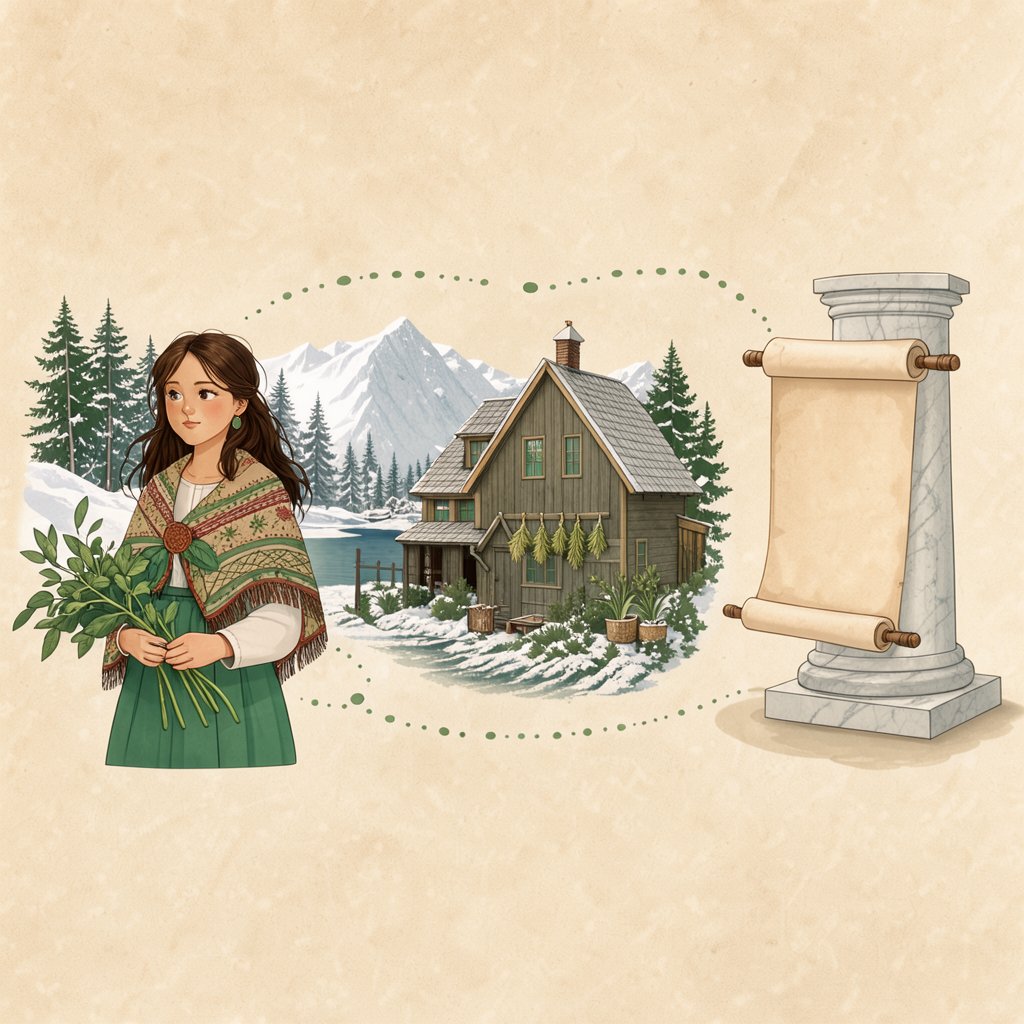
The Siberian lore is the most vivid. According to the tradition, Siberian girls were given shoots of rhodiola before the long cold winters — to make them more enduring, to support fertility, and to protect them from anxiety and depression[1]. Read as a document of practice, the story says two things: the root was treated as a winter staple rather than a remedy for the sick, and its reputation was tied to endurance under hardship rather than to any single complaint[1].
The reverence was not only Siberian. The same source records that golden root has long been revered in the folk medicine of Sweden, Norway, Iceland, and Russia — a distinctly northern map[1]. One honesty note belongs here: our sources carry no Viking-specific lore, only that general Scandinavian reverence, so the colorful “Viking” retellings you may meet elsewhere are not something this guide can confirm. What the record does support is simpler and stranger: before the root could be revered, it had to be found — and not mistaken for a useless twin. More traditions of this family live in our adaptogens and herbal wisdom hub.
Harvesting Golden Root: The Late-Summer Window and the Cut Test
Fursa’s dacha herbal records the fieldcraft precisely. Wild golden root grows on the stony banks of mountain rivers — across Eastern Siberia, the Mountain Altai, and the Russian Far East — crowding gravel and cold water where most garden flowers would refuse[2]. The book presents this as foragers’ lore built over generations, not as a recommendation to go digging; wild harvest of any medicinal plant deserves local knowledge and restraint[2].
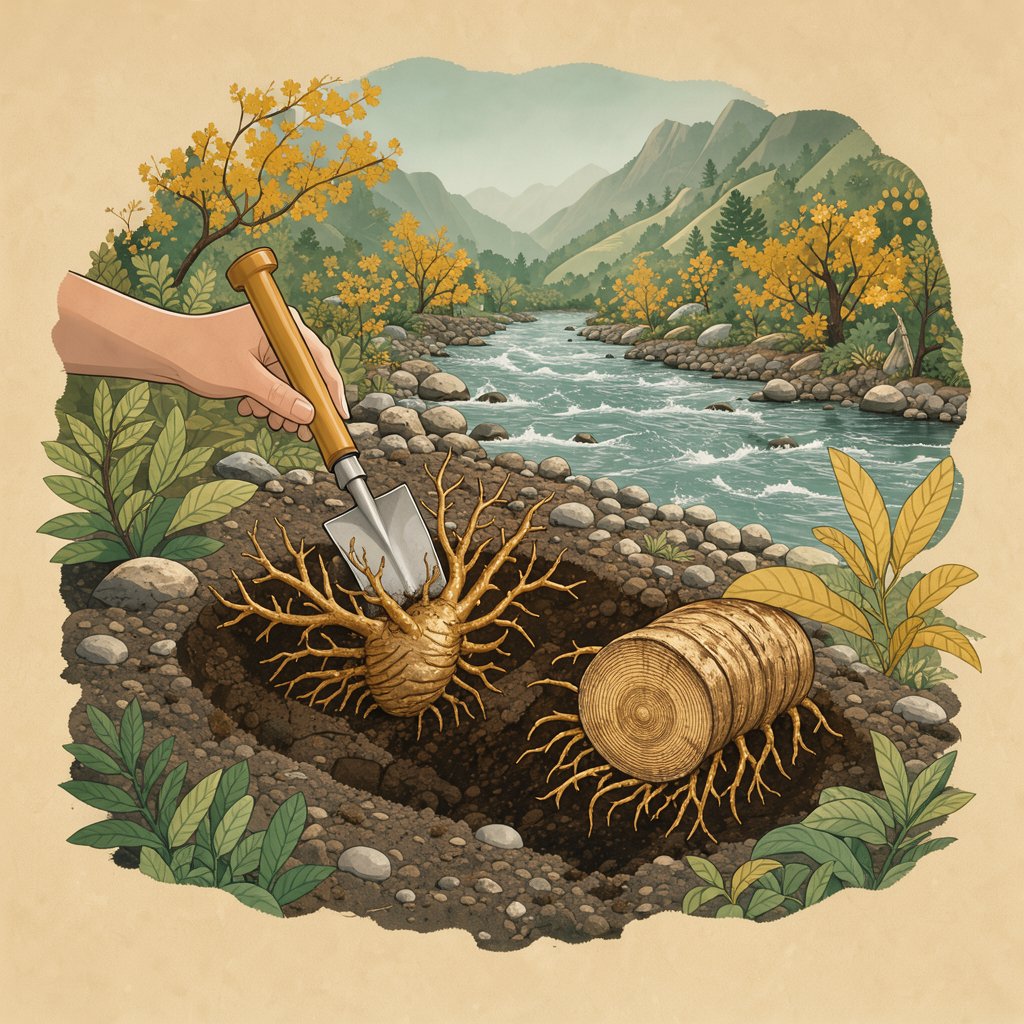
The central problem is the twin. Rhodiola is easily confused with species of stonecrop (Sedum) that look the part but lack the prized properties, and Fursa records that the two can be told apart reliably only by cutting the rhizome: true golden root shows pinkish-cream flesh at the cut, and the lookalike does not[2]. That single test — not leaf shape, not flower color — is what separated medicine from an inert root in the forager’s basket[2].
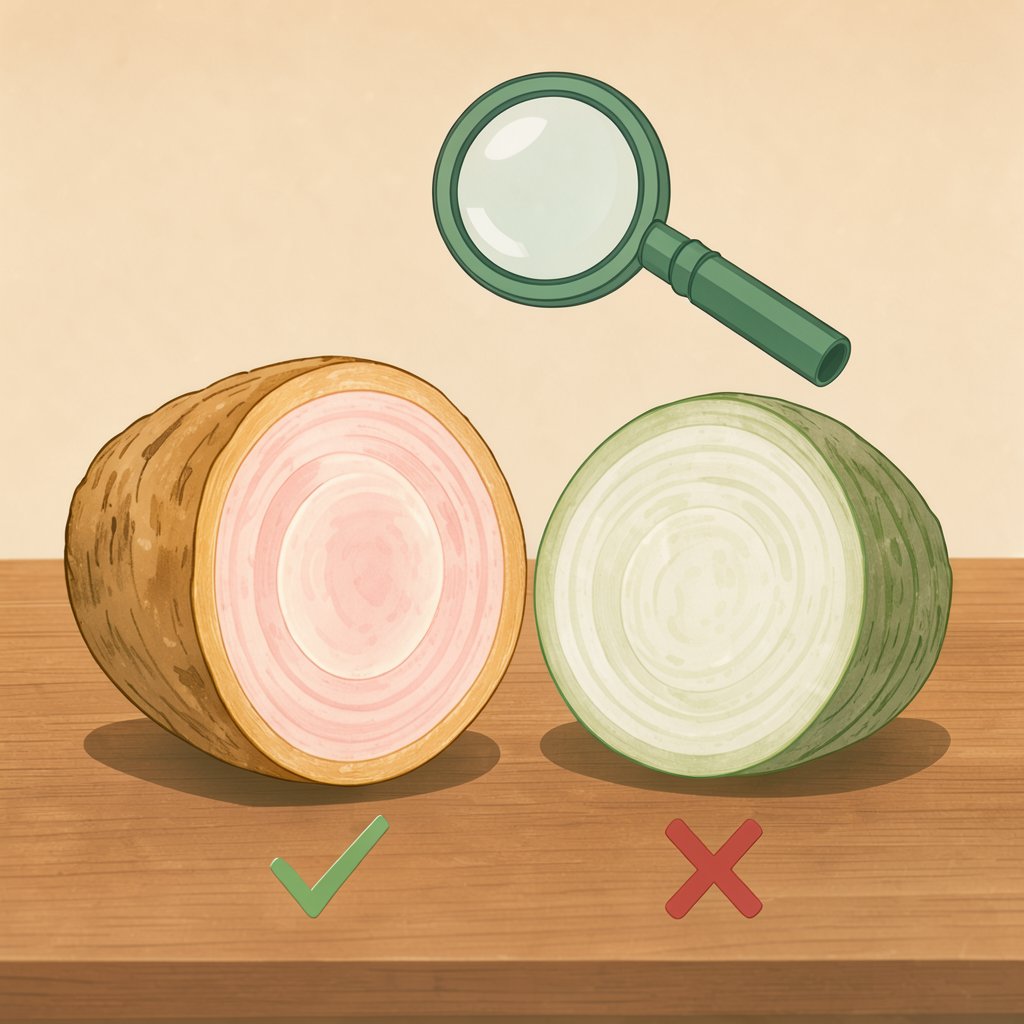
The calendar and the raw material are equally specific. The medicinal part is the rhizome of a two-to-three-year-old plant, dug in late August through September, after the root has stored what it needs for winter[2]. The recorded processing after digging is modest: wilt the roots in the shade, cut them into pieces, and dry them in a semi-open oven — low technology, carefully timed[2]. A correctly dug root, however, is only raw material; the tradition’s next step turns it into the preparation that actually traveled in pockets and saddlebags.
How to Make the Classic Rhodiola Tincture, Step by Step
Here is the recorded traditional protocol from Fursa’s herbal, exactly as the book sets it out[2]. It is presented as history and traditional practice — not as a prescription — and the safety section below applies to every step of it. The arithmetic is memorably round: fifty grams, half a liter, two weeks, twenty drops[2].
Step 1: Weigh and crush the dried root
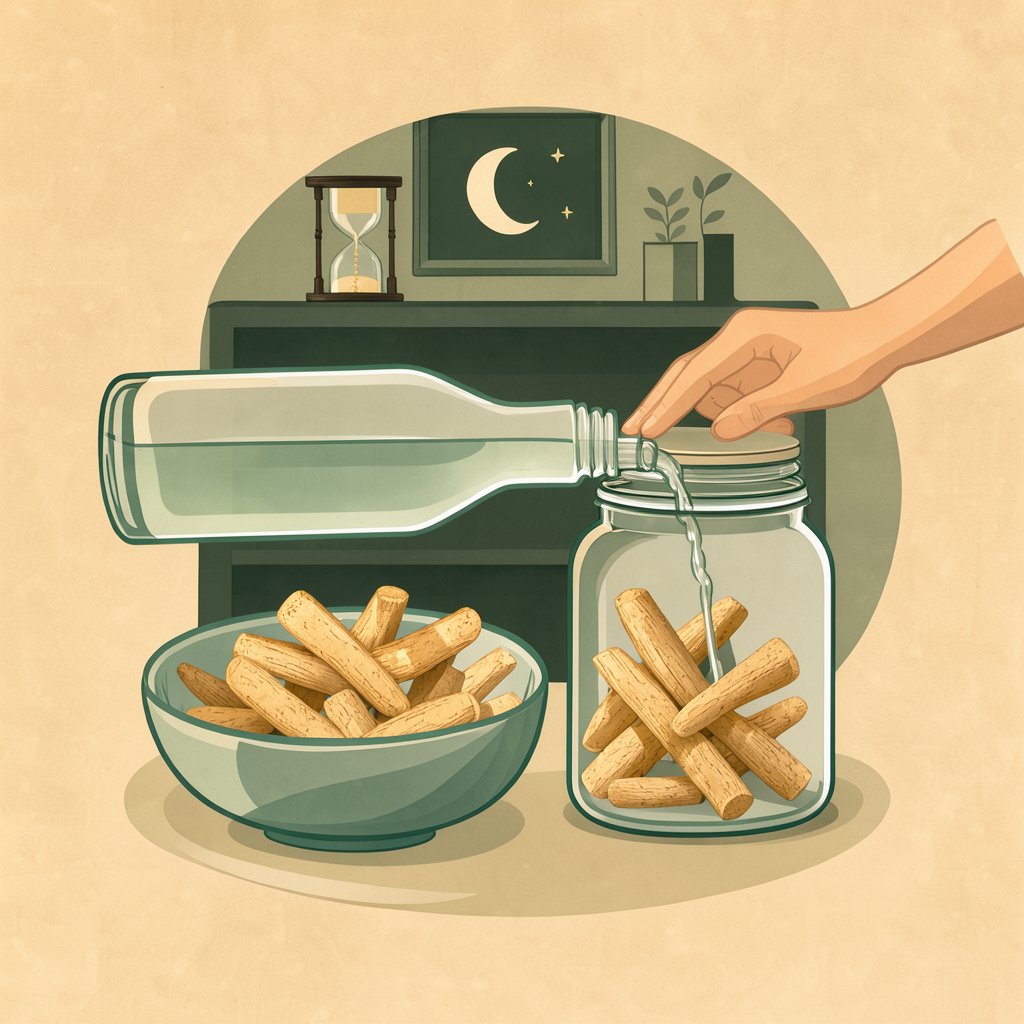
Measure out 50 g (1.8 oz) of dried golden root rhizome and crush or cut it into small pieces so the spirit can reach the inner flesh[2]. The drying step from the harvest section matters here: properly wilted and oven-dried pieces keep the recorded pinkish-cream color and give the tincture its raw material[2].
Step 2: Add the vodka
Pour 0.5 L (about 17 fl oz) of vodka over the crushed root in a glass jar[2]. The proportion is the heart of the recipe — 50 g of root to half a liter of spirit — a ratio the tradition judged right for drawing out what the rhizome holds[2].
Step 3: Seal and steep in the dark
Seal the jar and keep it in a dark place for two weeks, exactly as the herbal records[2]. The instruction is spare — dark place, fourteen days — and the tradition asked nothing more complicated than patience from the household making it[2].
Step 4: Strain the finished tincture
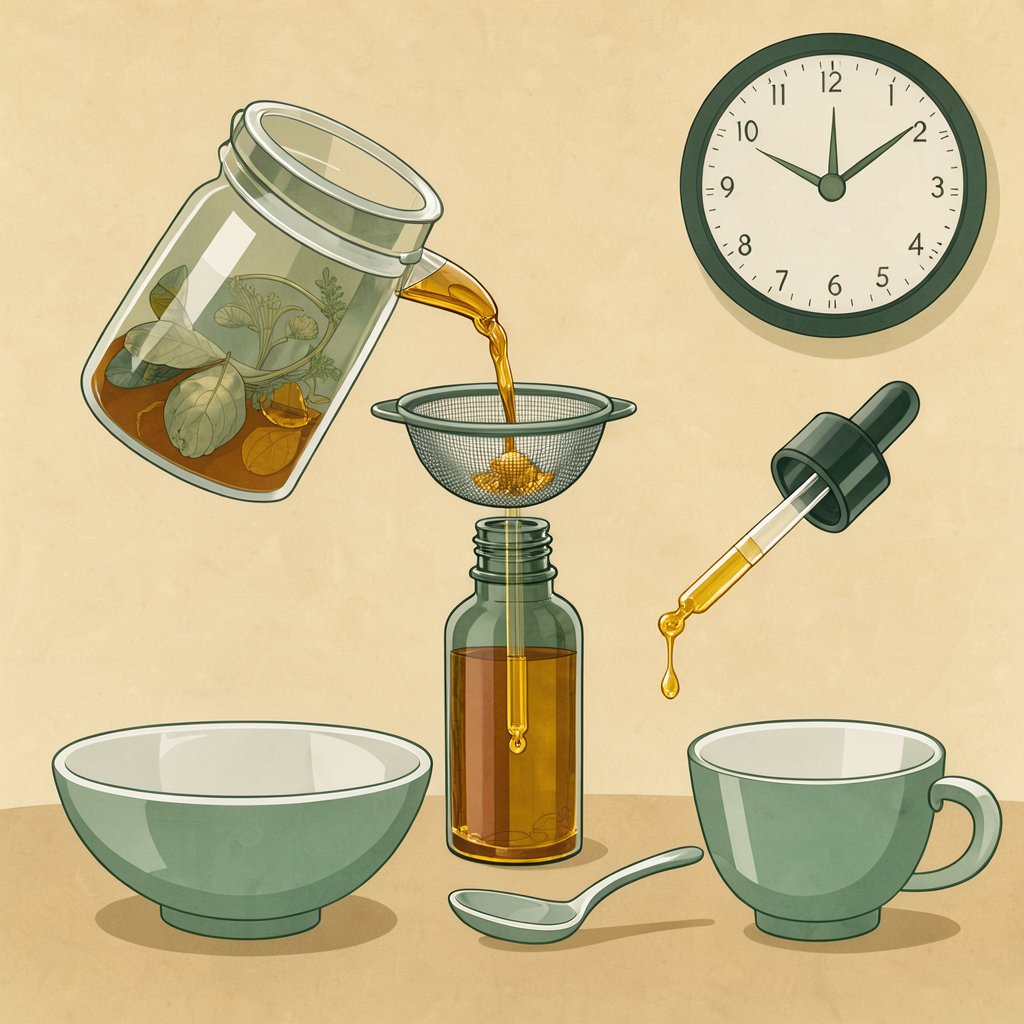
After the two weeks, strain the liquid off the spent root and bottle the clear extract[2]. The step is short to describe and decisive in practice: the strained tincture is the finished traditional preparation, and the root pieces have given what they came to give[2].
Step 5: Take 20 to 30 drops before meals
The recorded dose is 20–30 drops, taken half an hour before meals[2]. Timing before food, rather than after it, is part of the protocol as written — the tradition treated the tincture as a preparation that primes the system rather than accompanies the meal[2]. Anyone considering this protocol today should read the safety section first and talk to a healthcare professional, especially anyone with blood-pressure concerns or sleep trouble.
What was the tincture for, in the tradition? Fursa’s list of traditional tonic uses is broad and sober: mental and physical work capacity, resistance to extreme factors and stress, neuroses, and convalescence — recovery after severe illness[2]. Notice the pattern: every indication is about capacity and recovery, not about a named disease, which is exactly why the tradition kept golden root in the tonic cabinet rather than the medicine chest[2].
Tincture, Capsule, or Tea? The Forms of Golden Root
The homemade jar is only one branch of the family. Mercola’s encyclopedia records that golden root is sold today as supplements and as teas, including in health food stores — the root that once traveled by saddlebag now travels in capsules and paper boxes[1]. The same book even includes the author’s own recipe for a hot rhodiola drink on its page 177; since the retrieved text does not carry the ingredient list, this guide points to the recipe rather than reconstructing it[1].
Here the honest limits of the sources matter. Neither book carries extract standardization data — no percentages of rosavins or salidroside, no branded extract formulas — and neither offers a modern milligram-per-day range for general users, a morning-versus-evening timing rule, or a cycling schedule beyond the marathon trial’s four weeks and the tincture’s drop counts[1][2]. This guide will not invent those numbers. Read the label on the product you actually hold, and let a healthcare professional translate it to your situation; our adaptogen buyer’s guide covers the label questions worth asking.
Form, in other words, is a ritual choice with a safety wrapper. A dropper bottle asks for the old arithmetic and patience; a capsule asks for label literacy; a tea asks for nothing but a kettle and honesty about strength. Whatever the form, the interesting question is the one the tradition and the laboratory share: what does the root actually do inside a body under pressure[1]? The chemistry, it turns out, is crowded.
How Does It Work? Salidroside and the Stress Axis
Meeting the root, the laboratory found a crowd. Mercola’s encyclopedia counts more than 140 bioactive compounds in rhodiola, with two named as the key markers: tyrosol and salidroside, the latter also called rhodioloside[1]. Salidroside gets the book’s strongest sentence — it is called the plant’s most important bioactive molecule, the compound to watch when anyone talks seriously about golden root chemistry[1]. Marker molecules, note — not percentages: the sources name what to look for, not how much any product should contain[1].
The rhodiola stress mechanism, as the book frames it, runs through the body’s own stress machinery. Rhodiola is described as stimulating and protecting the immune system by normalizing hormone activity and regulating the release of glucocorticoids — the family of stress hormones that cortisol belongs to[1]. Framed plainly: the traditional adaptogen language — helping the body adapt to stress — and the modern description — normalizing hormone activity, regulating glucocorticoid release — are two vocabularies pointed at the same axis[1]. Neither is a promise; both are descriptions of what the root is understood to touch.
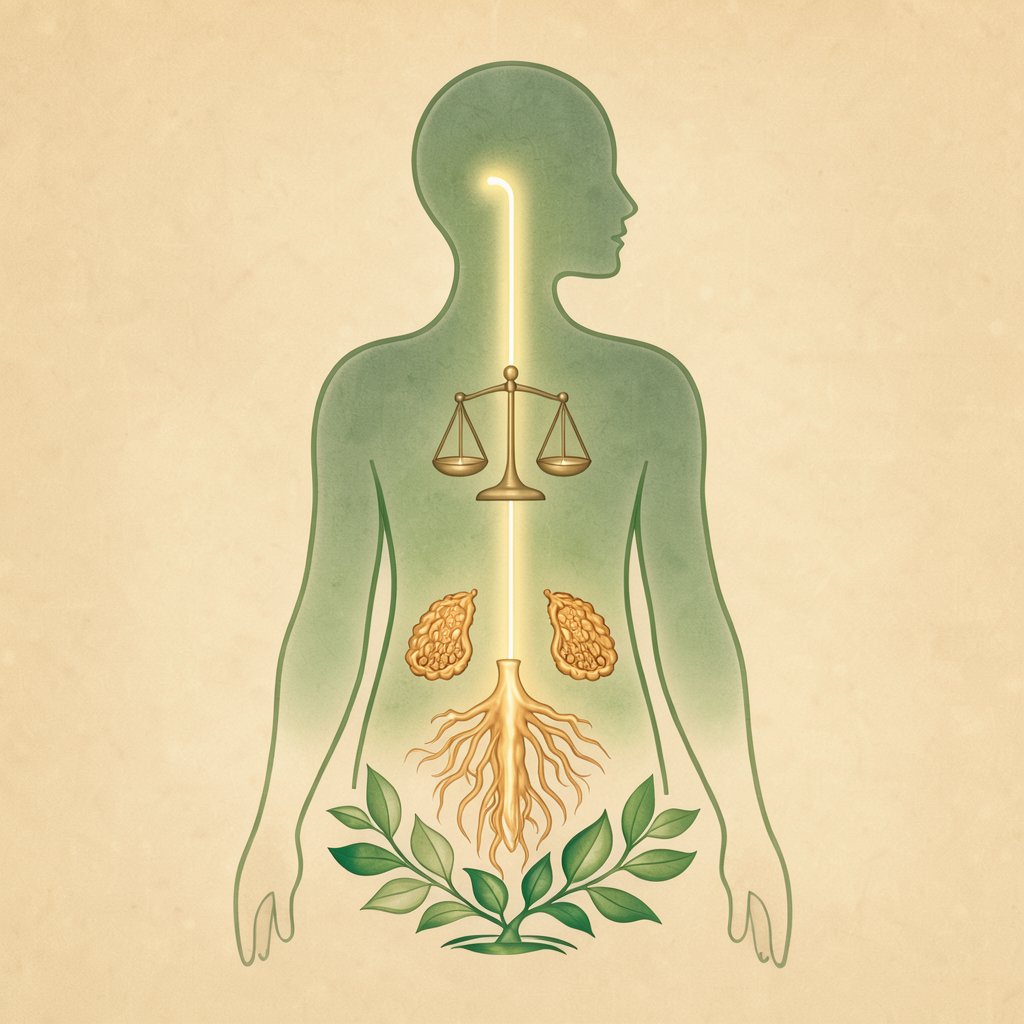
The book also lists the effect families attributed to rhodiola in the research it surveys: anti-fatigue, antidepressant, antioxidant, anti-inflammatory, antiviral, immunomodulating, and anticancer[1]. Read that list as a map of research attention, not as a menu of benefits — the words describe directions of study, and the strength of evidence varies from family to family[1]. The clearest single window into the list is the trial that took golden root to one of the most stressful finish lines in sport.
What the Marathon Trial Showed About Stress and Immunity
The trial is easy to describe because its design was clean. Forty-eight marathon runners took either 600 mg of rhodiola or a placebo every day for the four weeks leading up to a race[1]. Blood was drawn at three timepoints — before the start, and fifteen and ninety minutes after the finish — which let the researchers watch what a marathon, with or without golden root, does to immune blood markers[1].
The results favored the root. In the rhodiola group, the trial recorded support for immune T-cells, lower levels of pro-inflammatory cytokines, and protection of the athletes from viral infections[1]. In the laboratory arm, cells were protected from vesicular stomatitis virus for twelve hours after exertion — an in vitro result, offered as a measured hint rather than a promise[1]. Encouraging numbers, and still one trial — forty-eight runners, four weeks, one race[1].
The same book surveys a second, more cautious line of research. In cancer-cell cultures, rhodiola suppressed proliferation and induced cell death in bladder, breast, colon, stomach, and lung lines — laboratory observations about cells in dishes, not findings about people[1]. The author also relays a clinical note about twice-fewer recurrences of superficial bladder carcinoma, and flags it himself as unverified; this guide repeats it only with that label attached[1]. For an honest scale of evidence: our sources hold this one clinical trial and no meta-analyses, which is preliminary ground — a reason for curiosity, never a basis for a medical claim[1].

Safety: When Golden Root May Do More Harm Than Good
The stimulating character that made golden root a winter staple is exactly why the tradition drew lines around it. Fursa’s herbal is direct: the root should not be taken with elevated blood pressure, agitation, or insomnia — and in those states it “may do more harm than good”[2]. That is the book’s own warning language, quoted closely, and it deserves the same weight as the endurance lore[2].
The honest scope of our sources matters just as much. Neither book carries rhodiola-specific drug-interaction warnings, a bipolar-disorder caution, or pregnancy and lactation data for this plant; one retrieved contraindication passage turned out to concern an entirely different plant and was excluded from this guide[2]. Absence of warnings is not proof of safety — it means the question was not answered on these pages. If you live with any of the three flagged states, take prescription medication, are pregnant or nursing, or manage a chronic condition, talk to a healthcare professional before taking golden root in any form.
This guide records traditional use from its two source books; it is not medical advice and is not intended to diagnose, cure, treat, or prevent any disease. If golden root interests you, let a healthcare professional help you weigh it against your own health picture.
Frequently Asked Questions
What is rhodiola rosea used for traditionally?
Traditionally, for capacity rather than complaints. The record runs to thousands of years of use for physical strength and vitality; Siberian families gave girls the shoots before long winters, for endurance and mood protection; and the tonic list covers mental and physical work capacity, stress resistance, and convalescence after severe illness.[1][2] Explore the whole adaptogens and herbal wisdom hub for sibling traditions.
How much rhodiola did the marathon runners take?
Six hundred milligrams a day, or a placebo, for the four weeks before the race — the randomized trial covered forty-eight marathon runners, with blood drawn before the start and fifteen and ninety minutes after the finish. Note the scope: an athlete’s dose in one trial, not a general recommendation.[1] Our adaptogen buyer’s guide explains what labels can and cannot tell you.
How do you make the classic golden root tincture?
The recorded protocol is 50 g (1.8 oz) of crushed dried rhizome steeped in 0.5 L (17 fl oz) of vodka for two weeks in a dark place, then strained and taken as 20–30 drops half an hour before meals. It is a traditional preparation, not a prescription — the safety cautions apply in full.[2] For a gentler evening ritual, see our reishi evening tea guide.
How do you tell true golden root from Sedum lookalikes?
By the cut, and only by the cut. The foragers’ lore records that golden root is easily confused with inert stonecrop (Sedum) species, and the two can be told apart reliably only by cutting the rhizome — the true root shows pinkish-cream flesh at the cut.[2] Related identification-and-tradition notes run through our traditional uses guides.
Who should not take rhodiola?
The herbal’s specific list: anyone with elevated blood pressure, agitation, or insomnia — states in which the book warns the root “may do more harm than good.” Our sources carry no interaction or pregnancy data, which is a gap, not a green light.[2] Read the site’s medical disclaimer before acting on any herbal protocol.
Is there an official standardization for rhodiola extracts?
Not in our sources, and this guide will not invent one. Neither reference book carries rosavin or salidroside percentages, branded extract formulas, or a general-user milligram range — only the marathon trial’s 600 mg and the tincture’s drop arithmetic.[1][2] Follow the label on the product you hold; our editorial policy explains how we handle gaps.
Rhodiola rosea earns its two-thousand-year paper trail the honest way: a plant with royal folk names, a precise harvest calendar, an arithmetical tincture, a crowded chemistry led by salidroside, one encouraging marathon trial — and three clear cautions that kept respect inside the tradition. Treat the golden root the way the tradition did: as a companion for endurance under pressure, weighed against your own health picture, never as a promise. That balance is the whole story of adaptogenic tradition in one root.
Sources
- [1] Mercola, Joseph — Travy i Spetsii (Herbs and Spices) (2023)
- [2] Fursa, T.B. — Bozhi Dary. Lekarstvennye Rasteniya na Dachnom Uchastke (Divine Gifts: Medicinal Plants for the Dacha Plot) (2005)
Where to go next: if this guide sharpened your appetite for the category, the adaptogen buyer’s guide turns the same source-first method to the store shelf, and the traditional uses of functional mushrooms and the reishi evening tea ritual continue the same silo. Pair any of them with a movement practice — the Baduanjin eight-piece routine is the gentlest place to start.
How we researched this: built from a local library of 1,137 wellness books, indexed and searched offline with no internet sources, with every factual claim checked against the cited passages of the two books listed above. Where the library is silent, the text says so instead of estimating.
