
Educational content only — not medical advice. See our full Medical Disclaimer and Affiliate Disclosure below.
Key Takeaways
- “Gut health program” covers everything from a fermented-food cooking course to a probiotic subscription — the formats, risks, and timeframes differ so much that a buyer’s checklist beats any top-10 ranking.
- Honest programs show four things: a nutrition plan with actual numbers on it[8], a phased timeline measured in weeks and months[7], living fermented foods in the weekly menu[5], and a fiber-first feeding strategy for your own flora[2].
- The source literature is blunt about two popular sales pitches: nobody can “reseed” your gut in seven days — you grow your own flora “like a lawn”[3] — and routine diagnostics still cannot precisely count the microbes living inside the gut’s biofilm[1], while gut-function recovery after antimicrobial drugs is a matter of months[2].
Gut health programs have become one of the most crowded shelves in American wellness: the same phrase now covers a fermentation course, a 30-day elimination plan, a probiotic-of-the-month subscription, and an app promising a “microbiome reset.” This guide does not rank vendors we have never audited — it shows how to judge the best gut health programs of 2026 before you pay for one. The evidence base is deliberately different from a typical review site: the classic gut-health books in our library — clinical dietetics manuals[8][9], microbiome popular science[1][2], and fermentation guides from Japanese and Eastern European traditions[5][6] — not vendor marketing pages. If you want free background reading first, browse our step-by-step practice manuals.

What a Gut Health Program Actually Has to Contain
Across very different schools — Soviet-era clinical dietetics, Japanese home fermentation, and modern microbiome popular science — the same four components keep reappearing. A serious gut health program has all four; a hype product has one, wrapped in a story.
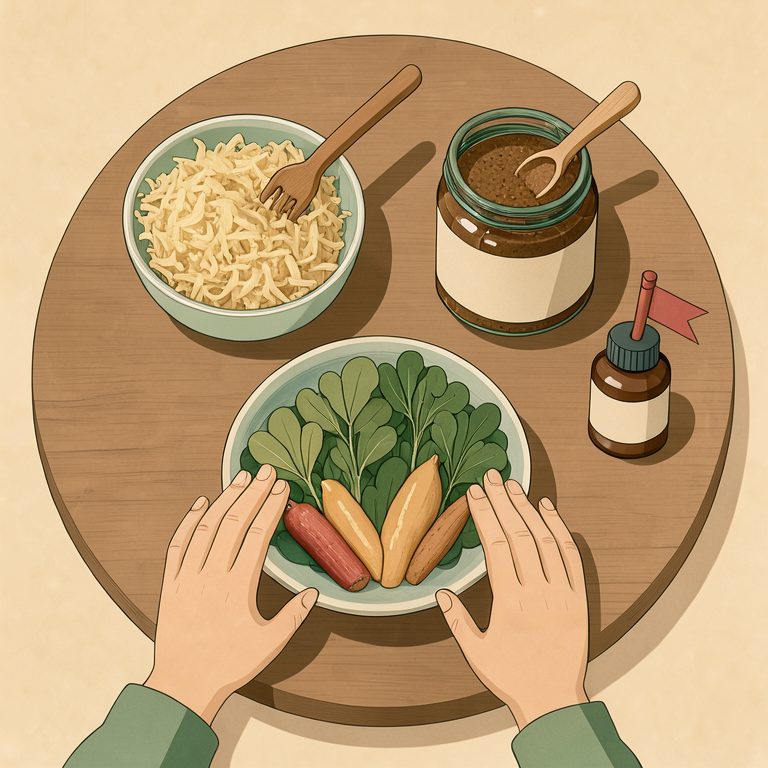
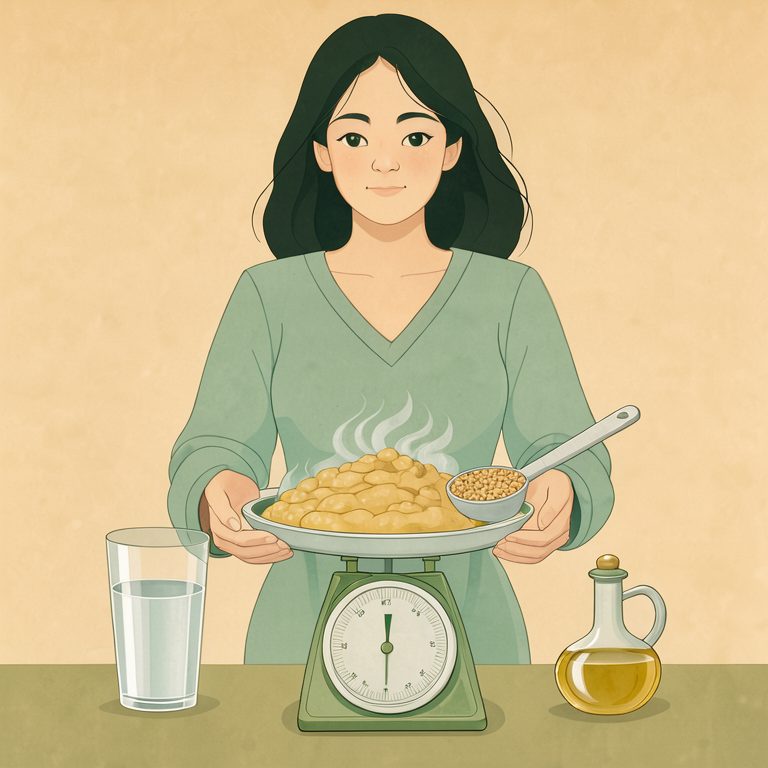
- A nutrition plan with numbers on it. Clinical diet literature specifies therapeutic rations to the gram and the degree: protein 100 g (3.5 oz) per day, fats 70–80 g, carbohydrates 350–450 g, about 2,500–3,000 kcal, five to six small meals a day, hot dishes served at 55–60 °C (131–140 °F), cool dishes no colder than 15 °C (59 °F), and 1.5–2 L (50–68 fl oz) of free fluid[8]. Companion liver-diet protocols add wheat bran 15 g (0.5 oz) twice a day, one third of daily fats as vegetable oil, and 100–150 g (3.5–5.3 oz) of raw vegetables and fruit before meals three to four times a day[9]. If a program’s “nutrition plan” is a list of trendy superfoods with no quantities, it is a supplement ad, not a protocol.
- Phased logic, in the right order. In the traditional dysbiosis-care literature, medicinal plants are used first to restore normal microflora, and bacterial preparations are prescribed only after that restoration[7]. Herbal support courses there run six to eight weeks — measured in weeks, never in days[7].
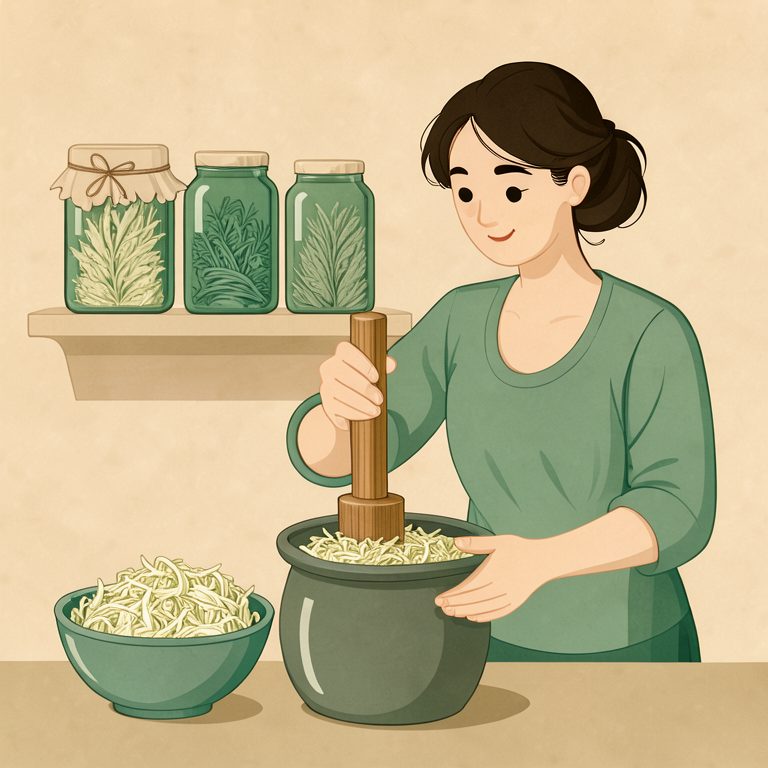
- Living fermented foods in the menu. The Japanese fermentation tradition calls homemade ferments the building blocks of a diet “as delicious as it is healthy” and keeps them on hand for their lactic acid bacteria[5]. The wider fermentation literature describes these foods as a powerful means of improving digestion and protecting against disease, and warns that the disappearance of fermented products from the modern diet works against our health[6].
- A feeding strategy for your own flora. Prebiotic fiber is literally the ration of the microbiome: fully fermentable fibers — pectins, gums, mucilages — make up that ration, and gut bacteria ferment them into short-chain fatty acids and other metabolites the body uses[2]. The bacteria living on the gut wall maintain its integrity and its ability to digest and absorb food — which is why the state of your flora decides how well any food, however well chosen, is actually put to use[4].
Traditional Fermented Diets vs Modern Microbiome Programs
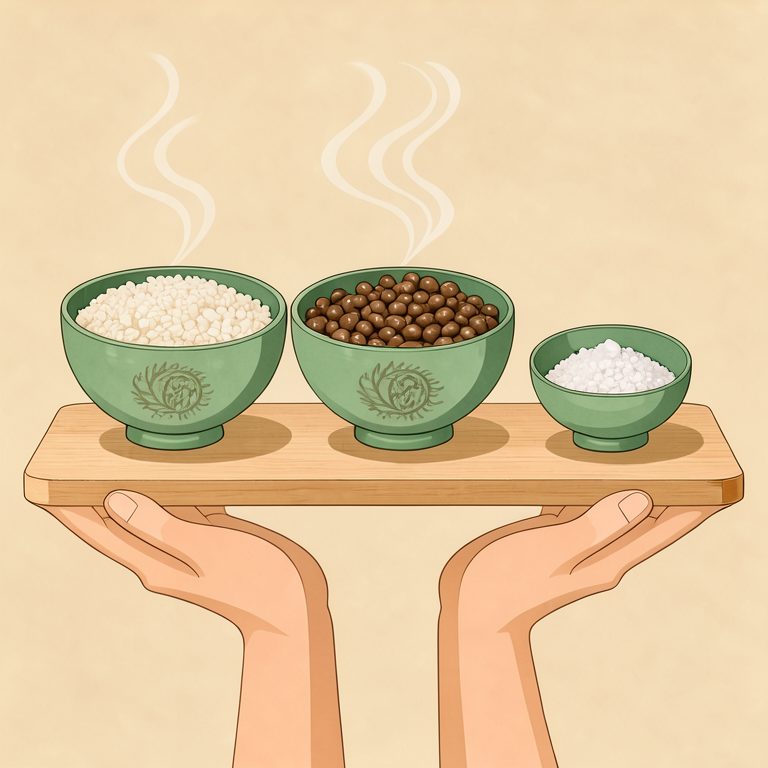
The traditional pole of this field is the fermentation kitchen. In the Japanese tradition, salty homemade miso is made at a ratio of one part rice koji to one part beans, with sea salt at half the weight of the beans — 100 g (3.5 oz) of beans takes 100 g of koji and 50 g of salt[5]. Miso keeps for a long time in the fridge, darkens over the years (the book photographs a four-year-old batch), and the leftovers of an old batch become the starter for the next one[5]. Eastern European tables did the same job with kvasheniye and mocheniye — lacto-fermented vegetables and brined fruit, which the microbiome literature describes as fermentation with lactic acid bacteria whose products naturally carry live probiotic bacteria[1]. The koji culture behind many Japanese ferments has been used in food preparation for thousands of years; the koji literature calls it one of the oldest domesticated food products on the planet[10].
The modern pole is very young. The first five-year phase of the major international microbiome research program ran from 2007 to 2012, and one popular-science author ranks the breakthrough as comparable to decoding the human genome[1]. Modern standards for probiotics are equally specific: they are living microorganisms, their benefit must be demonstrated in clinical research, particular probiotics are studied for particular situations — traveler’s diarrhea, antibiotic-associated diarrhea, lactase deficiency — and the dose and appropriateness of prescription are decided by a physician working from that research[1].
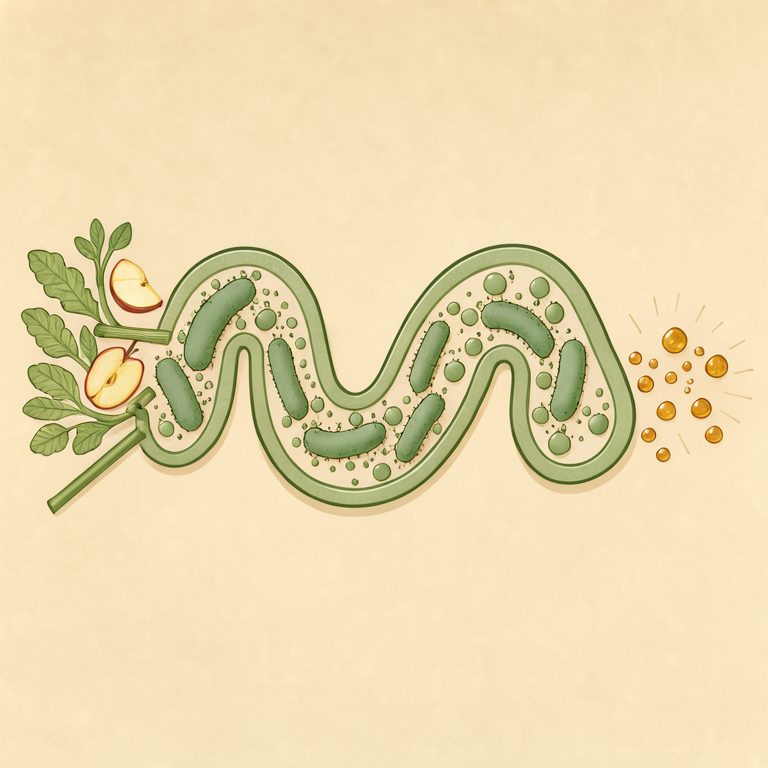
For a buyer, neither pole alone makes a good program. A fermentation tradition without dosing is folklore; capsules without the diet base ignore the fact that the wall bacteria doing the digesting and absorbing live on that diet[4]. The best 2026 gut health programs deliberately stack both layers.
The 8-Point Buyer’s Checklist for Gut Health Programs
- A nutrition plan with quantities, meal rhythm, and temperatures. Benchmarks: 100 g protein, five to six meals, 1.5–2 L fluid, dishes served warm, irritants excluded during acute phases[8][9]. No numbers, no program.
- A timeline in months, not a “7-day reset.” Traditional herbal support phases run six to eight weeks[7]; clinical restoration of normal gut function is described as three to four months of work[2].
- Fermented foods built into the weekly menu. Look for recipes and skills — miso ratios, vegetable ferments — not just a capsule upsell[5][6].
- Fiber before bottles. Named fermentable fibers (pectins, gums, mucilages) feeding your own bacteria[2], classic prebiotic sources such as inulin-rich Jerusalem artichoke[1], and bran as a documented add-on[9] all come before expensive probiotic promises.
- Probiotic steps tied to named strains and research. The literature’s bar: benefits must be demonstrated in clinical research, and dose decisions belong with a physician[1]. One clinical author’s practical rule: unless a test shows otherwise, prioritize bifidobacteria — they suffer most from external assaults, and lactobacilli grow back under their protection[3].
- Honest claims about gut testing. Routine diagnostics still cannot quantify the microbial world of the gut, because only a small part of it lives in the lumen — the rest forms a dense biofilm on the gut surface, out of reach of ordinary analysis[1]; the GAPS literature likewise notes that ordinary stool samples tell you nothing about the most important residents — the bacteria living on the gut wall[4]. Treat any program sold around a “precise microbiome map” as a marketing claim first.
- Eating-behavior coaching, not just food lists. The traditional literature teaches habits: the stomach should stay empty for a while after each meal rather than being refilled the moment it clears, and learning to recognize true hunger is a skill in its own right[11]. For satiety, one clinical author prescribes every meal with proteins, fats, and carbohydrates in a 30/30/40 proportion[3], and traditional care sequences diet and plant support before any bacterial preparations[7].
- A re-colonization story you can believe. You cannot simply move “the right” microorganisms into your gut — you can only grow your own, “like a lawn”[3]. And the effect of any live-culture food is strictly individual: if an advertised enriched yogurt does not sit well with you, the literature’s advice is simple — do not drink it[1].
Gut Health Program Components, Benchmarked
Here is the same checklist compressed into a comparison grid you can hold against any sales page. Every benchmark comes from the source books, cited.
| Component | What a good program shows | Benchmark from the literature | Walk away if |
|---|---|---|---|
| Diet base | Quantities, meal count, temperatures, fluid target | Protein 100 g, 5–6 meals, 1.5–2 L fluid[8]; bran 15 g 2×/day[9] | The “plan” is a superfood list |
| Fermented foods | Weekly menu slots plus hands-on recipes | Homemade miso at 1:1 koji-to-beans, salt half the bean weight[5]; lacto-fermented vegetables as natural carriers of live probiotic bacteria[1] | Only capsules are offered |
| Fiber & prebiotics | Named fermentable fibers in real meals | Pectins, gums, mucilages feed flora and yield short-chain fatty acids[2]; inulin sources like Jerusalem artichoke[1] | Fiber is called optional |
| Probiotic step | Strains named, research cited, physician-dosed | Benefit must be shown in clinical research; specific probiotics for specific situations[1]; bifido-first unless tested otherwise[3] | Vague proof claims and mega-dose hype |
| Testing story | Honest about the limits of gut testing | Routine analysis cannot reach the biofilm flora[1]; stool samples miss the wall bacteria[4] | An expensive “precise map” is the entry ticket |
| Timeline | Phases over weeks and months | Plant support 6–8 weeks[7]; 3–4 months of gut-function restoration[2] | It sells a 7-day reset |
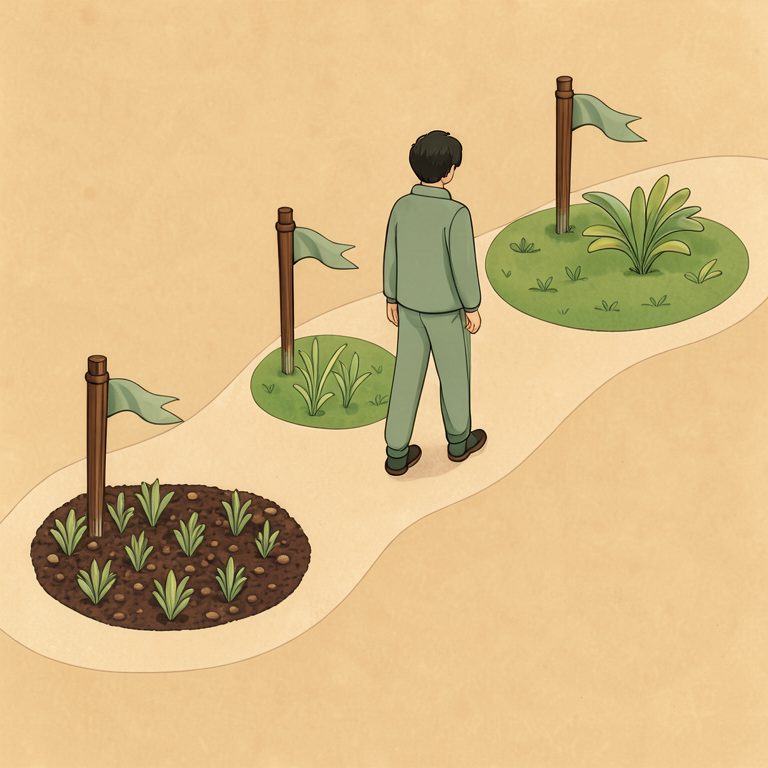
A 5-Step Protocol to Vet a Program Before You Pay
Safety Notes: Who Should Not Buy First and Ask Later

The source books are consistent on the limits of self-directed gut programs. Probiotics are heavily advertised and often taken on one’s own, but in serious illness they are ineffective, and the decision on dose and appropriateness belongs to a physician working from research data[1]. After courses of antimicrobial and similar drugs, the clinical literature describes prebiotic courses and months of recovery — normal gut function is commonly restored over three to four months, and a two-week advertised probiotic is not that course[2]. Traditional herbal support phases run six to eight weeks and are meant to prepare the ground, not to replace professional care for diagnosed conditions[7]. The same clinical literature warns against self-medication in general — from uncontrolled antimicrobial drugs to self-prescribed supplements — noting that patients then have to be treated for problems more serious than the ones they tried to solve alone[2].
Safety and disclaimer. This article is educational content and is not medical advice; it is not intended to cure, treat, or diagnose any condition. Fermented foods, prebiotic fibers, and probiotics are traditional wellness tools that may support digestive wellbeing as part of a balanced diet. If you are pregnant, managing a diagnosed digestive, immune, or metabolic condition, or recovering from antimicrobial treatment or surgery, consult your physician before starting any gut health program.
Frequently Asked Questions
Do I need a microbiome test before joining a program?
Not as an entry ticket. The literature’s position is sobering: routine diagnostics still cannot quantify the gut’s microbial world, because most of it lives in a biofilm on the gut surface that ordinary analysis cannot reach[1], and ordinary stool samples say nothing about the bacteria living on the gut wall[4]. A good program starts with your symptoms, food history, and habits — not with an expensive map.
How long should a gut health program last?
Plan in months. Traditional herbal support phases run six to eight weeks[7], and clinical restoration of gut function is described as three to four months[2]. Anything sold as a seven-day reset contradicts both the traditional and the clinical literature.
Can probiotic capsules replace fermented foods?
No — they answer different questions. Fermented foods bring live cultures together with the kitchen skills and the diet context that make them work[5][6]. Probiotic capsules are dosed preparations whose benefit must be demonstrated in clinical research for the specific situation, with dosing decided by a physician[1]. The strongest programs use both layers deliberately.
Pairing Gut Work with Movement
A gut health program sits well inside a wider weekly routine that includes gentle movement. For desk-bound readers, we track two follow-along programs: see our full reviews of Joint Genesis and Unlock Your Hip Flexors, or jump straight to the current offers: Joint Genesis and Unlock Your Hip Flexors. We may earn a commission if you buy through links on this page — neither product is a gut health program, and neither is a medical treatment.
Sources
- [1] E. V. Motova — My Best Friend Is the Stomach: Food for Smart People (2017)
- [2] N. A. Zubareva — The Gut Rules Everything (2019)
- [3] Z. Pavlova & O. Nosova — The Deception of Substances: Why Fat and Sugar Destroy Our Health (2021)
- [4] Natasha Campbell-McBride — Gut and Psychology Syndrome (GAPS) (2016)
- [5] Hiroko Shirasaki — A Beginner’s Guide to Japanese Fermentation (2023; author as printed in the edition — source metadata lists no author)
- [6] Sandor Ellix Katz — Wild Fermentation (2020)
- [7] S. I. Ilina — Health on Your Table (2005)
- [8] I. I. Zinets — Health and Nutrition: 100 Therapeutic Rations (1991)
- [9] T. V. Gitun — Treatment of Liver Diseases (2007)
- [10] Jeremy Umansky & Rich Shih — Koji Alchemy (2020)
- [11] Don Bennett — Raw Food and Other Healthy Habits (2011)
How we researched this
This article was researched entirely in our offline library of 1,137 wellness books through a local retrieval system — no internet sources were used at any stage. Every factual statement above was checked against the retrieved book excerpts and carries a numbered citation you can trace in the Sources list.
