

Educational content only — not medical advice. See our full Medical Disclaimer and Affiliate Disclosure below.
Key Takeaways
- A “breathwork program” can mean a classical pranayama course[1], a dosed breathing-trainer routine[6], a breath-reduction method[4], or an intensive supervised session with forced breathing[5] — the risk profiles differ wildly.
- Honest programs state three things up front: their contraindication list, their dosing parameters, and how the instructor was trained[4][5][6].
- Classical breathing literature is unanimous on pacing: the load grows over months, not days — weak stimuli build, strong ones impede[1][2][6].
Choosing among the best breathwork programs in 2026 means comparing things vendor pages rarely spell out. The same word covers a five-minute starter session[6] and a three-hour supervised session with forced breathing[5]. That gap is why a buyer’s checklist beats any “top 10” ranking. This guide is built from the classic breathing literature in our library — pranayama manuals, therapeutic breathing system textbooks, and method monographs — not from vendor marketing pages. Prefer a movement practice to pair with breathwork? Start with our Ba Duan Jin manual.

What “breathwork program” actually covers
The source books describe a handful of recurring formats. Knowing which one you are buying is the first filter:
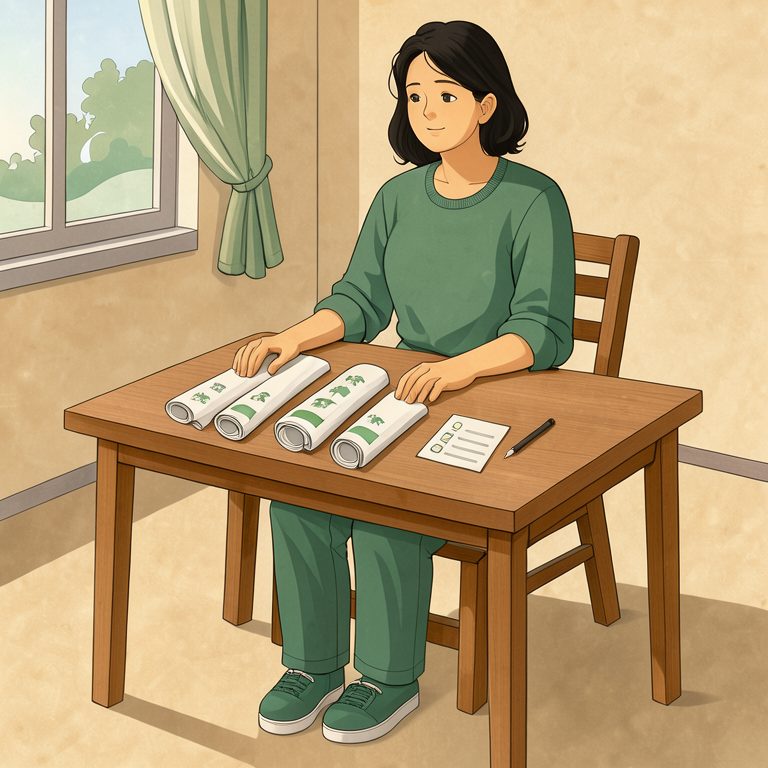
- Classical pranayama instruction (for example, B.K.S. Iyengar’s pranayama manual of 1995[1]): seated breathing with gradually introduced retention (kumbhaka), and precise rules for meals, rest afterward, and age[1].
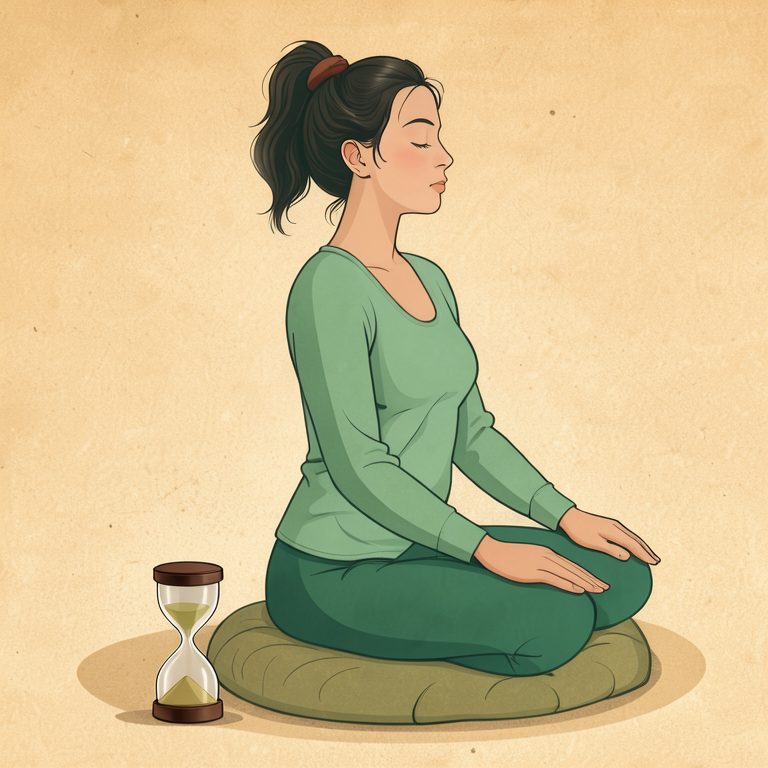
Classical pranayama: seated breathing with retention introduced slowly - Dosed breathing-trainer systems (the Frolov-type literature[6]): every session is parameterized — water dose in milliliters, breathing-act length in seconds (timed to the second), and session length in minutes[6].
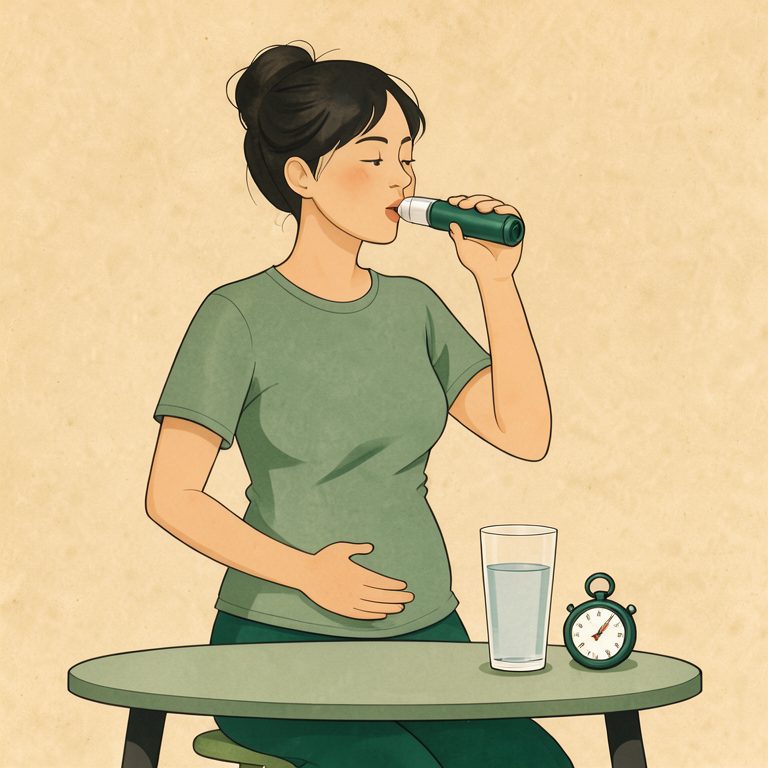
Dosed trainer systems: water, breathing act, and session length all timed - Breath-reduction training (the Buteyko method[4]): measurement of a “Control Pause” plus pulse as feedback[4].
- Inhale-focused gymnastics (the Strelnikova course[3]): trains the inhale only and avoids breath-holding altogether[3].
- Intensive experiential formats (holotropic-type sessions[5]): strongly forced breathing in depth and frequency, with loud music, for up to about three hours[5] — a screening-heavy, facilitator-led format[5].
Traditional view vs modern physiology
Traditional teaching treats the breath as the lever on the whole system[7][8]. Meditation manuals make the same move: one classical text opens its practice with deep diaphragmatic breathing, then slows the breath into a rhythm until it becomes light and silent — the technique it calls pranayama, “control of breathing”[8] — while the bioenergy-healing tradition describes correct deep rhythmic breathing as a three-part pattern of lower, middle, and upper breathing[7]. The classical warning the breathing classics repeat is about pacing: prana is mastered “very slowly and gradually, in accordance with the abilities and physical capacities of the student” (the Hatha Yoga Pradipika verse quoted in Peychev’s system manual)[2]. Iyengar’s manual describes retention practice as traditionally “cleansing or strengthening the nervous system” of the practitioner — a traditional claim, not a medical one[1]. Modern method literature looks for measurable physiology instead: Buteyko’s published theory centers on voluntarily reducing the depth of breathing “to normalize its physiological function”[4], and the Strelnikova course argues that the natural dynamic of breathing is an active inhale with a passive exhale[3]. Different vocabularies, one shared buying lesson: a program that promises to skip the gradual part is out of step with both the traditional and the physiology-minded literature[1][2][4][6].
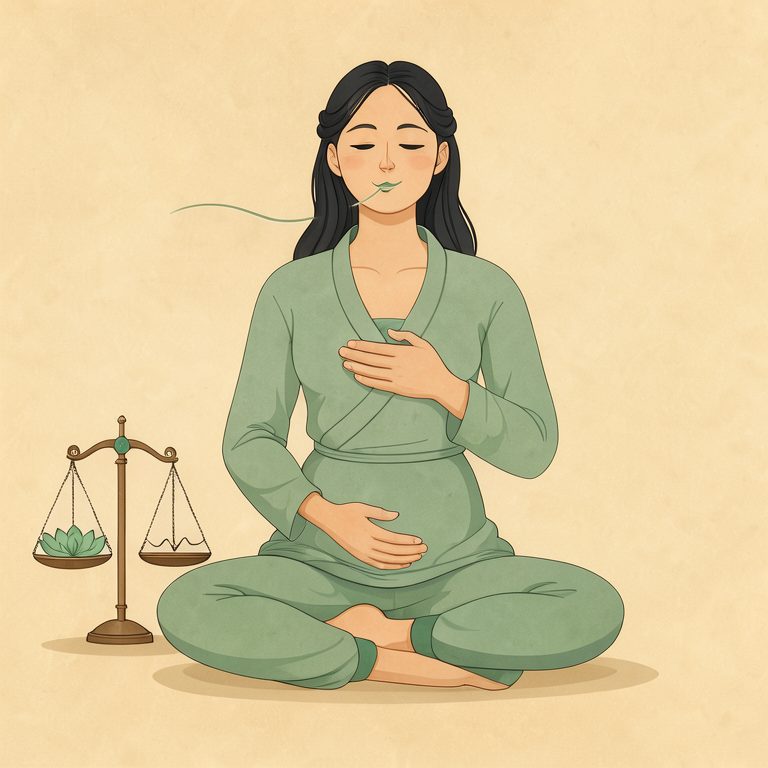
How to choose the best breathwork programs in 2026: a 7-point checklist

- A written contraindication list. Serious formats publish one. The holotropic-type literature gives a concrete benchmark list: injuries, fractures, skeletal weakness, pre- and post-surgical states, seizure and convulsive conditions, asthma, cardiovascular disease, hypertension, and pregnancy are all named as reasons a person is not admitted to forced-breathing sessions[5].
- Explicit dosing parameters. The Frolov-school books dose by three knobs — water in milliliters, breathing-act length in seconds, session length in minutes — and warn that premature load increases can backfire[6].

Three dosing knobs: water in ml, act in seconds, session in minutes - Measurable feedback. Buteyko-school practice tracks a Control Pause and pulse; the method’s own literature notes that these readings can be distorted by ten seconds or more under medications that act on breathing, such as hormonal preparations[4].
- Instructor competence you can verify. The Buteyko book’s introduction warns at length about “pseudo-followers” who teach the method in under two weeks and cannot even measure the Control Pause properly. Ask where your instructor trained and what they measure[4].

Verify the instructor: where they trained and what they measure - Gradual progression built in. The Frolov-school manual quotes the Arndt–Schulz rule known in medicine: weak stimuli increase vitality, moderate ones strengthen it, strong ones impede it, the strongest destroy it[6].

Weak stimuli build, strong ones impede: grow the dose slowly - No forcing, no medical promises. The Strelnikova course explicitly builds itself around the absence of coercion in breathing[3]. Treat any program that promises medical outcomes or fast fixes for diagnosed conditions as a red flag.
- Format fit with your day. Meal timing (Iyengar: four to six hours between eating and practice[1]), session frequency (the classic 1:4:2 ratio in Peychev’s manual is practiced three times a day[2]), and rest days (the Frolov schedule keeps every seventh day free[6]) are part of the dose, not extras.
Program formats compared
| Format | What a session looks like | Screening & dosing | Skip it if |
|---|---|---|---|
| Classical pranayama course | Seated breathing; retention introduced gradually (the first retention drill prescribes ten to twelve cycles)[1] | Rules for meals (4–6 h gap), rest after practice; retention starts at age 16–18[1] | It promises fast results or ignores contraindications |
| Dosed breathing-trainer routine | Timed breathing act through a device; exhale in portions[6] | Water (ml), breathing act (s), session (min); lightened mode starts at 10 ml and 5-minute sessions[6] | The seller will not give you the exact parameters |
| Breath-reduction training (Buteyko) | Shallow, reduced breathing with Control Pause measurement[4] | CP + pulse logged; readings can be distorted by breathing-active medication[4] | The instructor cannot measure a Control Pause |
| Inhale-focused gymnastics (Strelnikova) | Short, sharp nasal inhales; passive exhale; no breath-holding[3] | No retention, no forcing[3] — suitable for people averse to breath-holds | You want retention or intense altered-state work |
| Intensive experiential (holotropic-type) | Strongly forced breathing with loud music, up to ~3 hours[5] | Long contraindication list; facilitator-led; psychotherapeutic context[5] | You have any condition on the contraindication list |

A 5-step pre-purchase protocol
Safety notes and who should skip intensive formats
Classical manuals are specific about precautions. Iyengar’s rules: do not practice in a hurry; rest quietly before returning to activity; keep four to six hours between a meal and practice; do not begin retention practice before age 16–18; pause for a day if the lungs feel heavy or the sound of breathing changes[1]. In pregnancy his manual excludes forceful and retention-heavy practices (such as kapalabhati and bhastrika) while describing gentler ones as suitable — a decision to make with your physician[1]. The Frolov-school books single out weakened, chronically ill, and older people — and anyone after a heart attack or stroke — as needing special caution, individual parameters, and loads close to resting breathing[6]. And for the intensive end: forced breathing is described in the holotropic literature as carrying a long contraindication list and belonging in supervised, psychotherapeutic settings — not in a drop-in class[5].
Safety and disclaimer. This article is educational content and is not medical advice; it is not intended to cure, treat, or diagnose any condition. Breathing practices are traditional wellness methods that may support relaxation and body awareness. If you are pregnant, managing a cardiovascular, respiratory, or neurological condition, or recovering from surgery, consult your physician before starting any breathwork program.
Pairing breathwork with movement and bodywork
Most classical breathing systems sit inside a wider routine. If you want movement alongside breathwork, our Ba Duan Jin manual gives a gentle standing set, and our Zusanli (ST36) acupressure guide covers a simple self-massage point. For desk-bound readers pairing breath practice with joint and mobility work, we track two follow-along offers — see our full reviews of Joint Genesis and Unlock Your Hip Flexors, or jump to the current offers: Joint Genesis and Unlock Your Hip Flexors. We may earn a commission if you buy through links on this page — none of these products is a breathing program, and none is a medical treatment.
Frequently Asked Questions
What should I check before paying for a breathwork program in 2026?
Four things: a written contraindication list, explicit dosing parameters, a measurable feedback signal, and an instructor whose training you can verify[4][5][6]. Serious formats state all four up front.
Which breathwork formats avoid breath-holding altogether?
Inhale-focused gymnastics in the Strelnikova tradition: short, sharp nasal inhales with a passive exhale, no retention, and no forcing[3] — a fit if you are averse to breath-holds.
How fast should a good breathwork program increase the load?
Over months, not days. The Arndt–Schulz rule quoted in the Frolov literature warns that strong stimuli impede rather than build[6]; classical pranayama introduces retention gradually — the first retention drill prescribes ten to twelve cycles[1], and the classical pacing rule is that the breath is mastered very slowly and gradually[2].
Sources
- [1] B. K. S. Iyengar — Pranayama: The Art of Breathing (1995)
- [2] N. Peychev — Complete System of Health Restoration (Polnaya sistema vosstanovleniya zdorovya) (2013)
- [3] M. N. Shchetinin — Complete Course of Breathing Gymnastics by A. N. Strelnikova (2019)
- [4] K. P. Buteyko — Theory and Method of Volitional Elimination of Deep Breathing (RUS-ENG)
- [5] G. G. Miroshnichenko — Healing by Breathing and Autotrans (Istselenie dykhaniem i autotransom)
- [6] A. A. Stepanov — Breathing After Frolov (Dyhanie po Frolovu)
- [7] N. G. Vasiltsov — Bioenergy Healing (Lechenie bioenergiey) (1992)
- [8] Unknown Author — The New Book of Meditation (Novaya kniga po meditatsii)
How we researched this
This article is based entirely on our local library of 1,137 books on traditional wellness practices, consulted offline with no internet sources. Every claim in the text was checked against the cited source passages before publication.
