

Educational content only — not medical advice. See our full Medical Disclaimer and Affiliate Disclosure below.
By 2 p.m., the morning coffee has often already collected its fee: the focus is gone, the head is heavy, and the next cup sounds like a plan. That is the practical side of the adaptogens vs caffeine question — one approach borrows energy quickly, the other tries to build the capacity that produces it. This honest comparison lays out what the source literature actually says about each — onset, tolerance, withdrawal, classical dosing, and safety — and ends with a five-step protocol if you decide to rebalance the two.
Traditional herbal texts class rhodiola, ginseng, eleuthero, and ashwagandha as adaptogens — plants that help the body cope with stress rather than simply whipping the nervous system [4]. Modern physiology, in turn, describes caffeine as a stimulant that strengthens excitation processes in the cerebral cortex [1]. Two different answers to tiredness — and, as you will see, they are not interchangeable.
Key Takeaways
- Caffeine is fast: it strengthens cortical excitation, raises mental and physical performance, and reduces fatigue and drowsiness within minutes [1]. Adaptogens are slow: the source literature describes their effects over courses of weeks, not minutes [5][6].
- The bill for heavy use is real: from roughly 1,000 mg of caffeine a day the books describe depletion of nerve cells and dependency, and quitting temporarily costs about 5–7 days of reduced performance [1][3].
- Adaptogens work differently: rhodiola, ginseng, eleuthero, and ashwagandha are described as supports for the body’s adaptive responses — including greater work capacity on a background of fatigue [4][5].
- They are not substitutes: coffee remains a useful acute tool at modest doses (the cited WHO guidance suggests no more than two cups a day), while adaptogens are a background habit with their own cautions [1][5].
- Change habits in steps: set a baseline, taper instead of crash-quitting, start one adaptogen at a minimal dose before meals, time it, and reassess in cycles [3][5][9].
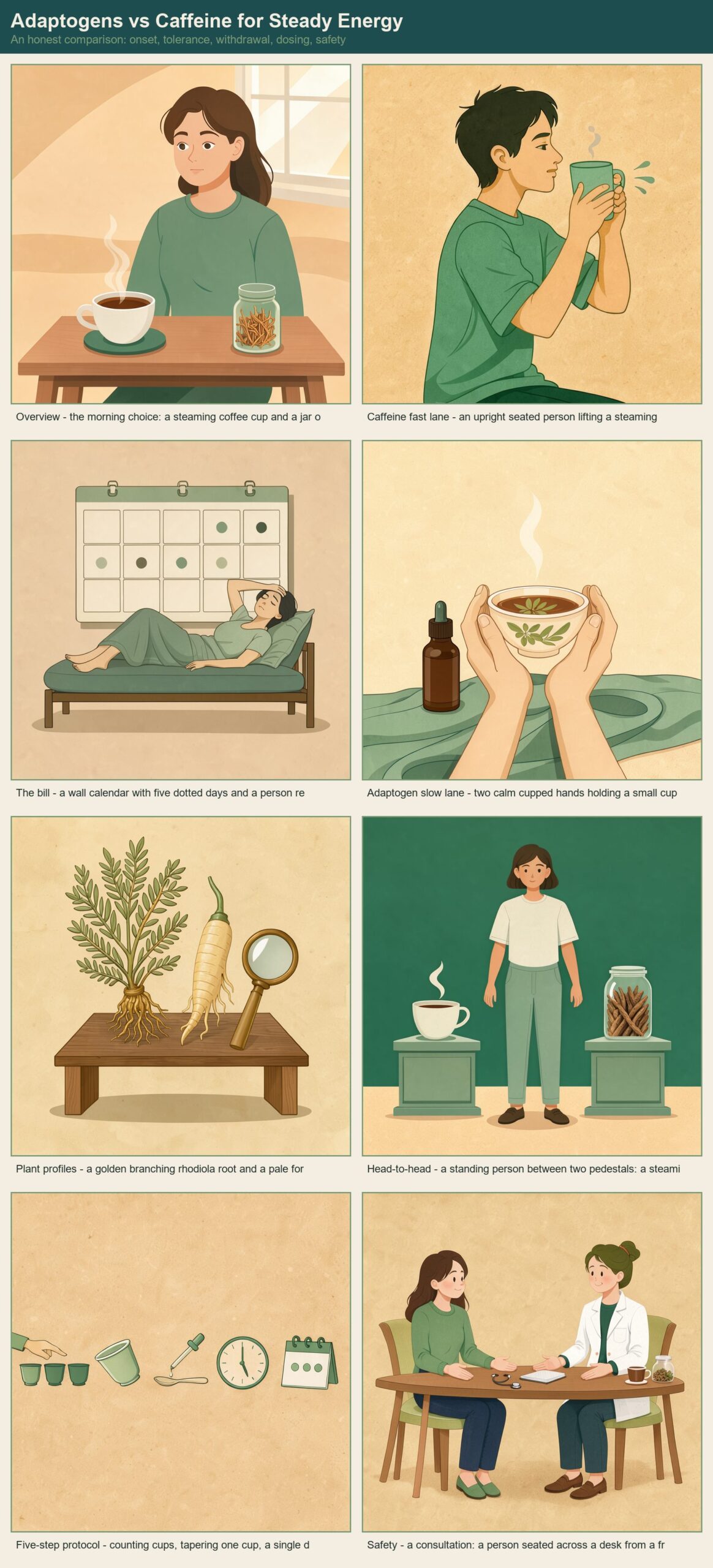
Adaptogens vs Caffeine: Two Different Answers to Tiredness
Caffeine is a stimulant alkaloid found not only in coffee beans but also in tea leaf and kola nuts — two bottles of cola roughly match one standard cup of coffee in caffeine terms [2]. In certain doses it strengthens and regulates excitation in the cerebral cortex, and its stimulating action raises mental and physical performance while lowering fatigue and drowsiness [1]. It is a fast, reliable, well-described lever.
An adaptogen, as the traditional-use literature frames it, is a plant that improves the body’s adaptive reactions — ginseng, one 1979 monograph argues, deserves to be seen “not only as a stimulant but as an adaptogen,” a support that increases the body’s defensive and adaptive capacity [6]. Ashwagandha is described as helping the body resolve the mental and physical consequences of stress, and as able to either stimulate or dampen immune activity depending on what the body needs [4]. The distinction matters for the whole comparison: caffeine lends energy; adaptogens are described as changing how the body handles load.
What Caffeine Actually Does: The Fast Lane
The physiology, as summarized in the coffee literature: caffeine strengthens and regulates excitation processes in the cortex — an effect studied as early as Pavlov’s school — and in certain doses it boosts brain work, raises physical and mental performance, and reduces fatigue and drowsiness [1]. In small doses it raises the speed of thinking and behavioral reactions and acts on the brain zones responsible for positive emotions [2]. A Harvard School of Public Health study cited in the same book associates two to three cups a day with a lower risk of depression, with caffeine stimulating the central nervous system and acting as a mild antidepressant that increases serotonin, dopamine, and norepinephrine [2].

There is also a gentler and a harsher way to take it: during medium roasting, caffeine loses its bond with chlorogenic acid and binds with coffee’s oils into a compound the book calls cafeol, which makes the stimulating effect of brewed coffee less abrupt than pure caffeine or strongly roasted beans [3]. Preparation, in other words, shapes the ride.
The bill: tolerance, depletion, and the 5–7 day dip
The same literature is blunt about the cost. Regular intake of large doses — about 1,000 mg of caffeine a day and beyond — leads to depletion of nerve cells and, over time, dependency [1]. Constant stimulation keeps the nervous system in a prolonged excited state, which the book describes as systematic stress on it [1]. The cited WHO guidance is no more than two cups of coffee a day for a healthy adult [1]. Coffee also speeds the excretion of calcium and other minerals, and women drinking more than four cups a day face a rising osteoporosis risk with age [1]. And if you decide to quit, expect a withdrawal window: when coffee is temporarily given up, reduced performance lasts about five to seven days [3].
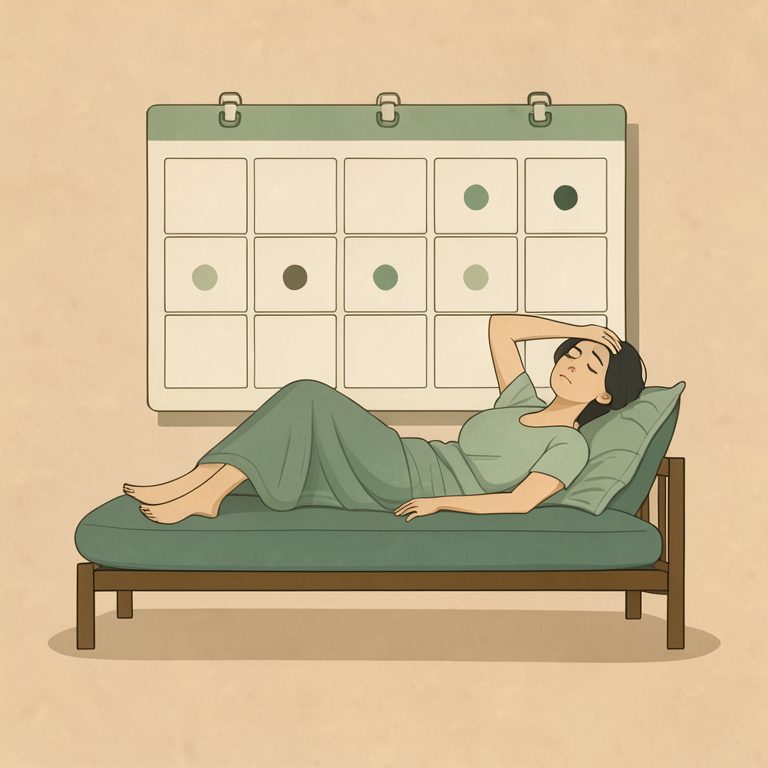
What Adaptogens Actually Do: The Slow Lane
Rhodiola (golden root). Mercola’s herb compendium counts more than 140 biologically active compounds in rhodiola, with tyrosol and salidroside considered the key molecules, and describes rhodiola as an adaptogen that helps the body adapt to stress [4]. The classical medicinal-plant handbook reports that rhodiola preparations have a pronounced stimulating property: they markedly increase dynamic and static work capacity — most visibly against a background of fatigue and heavy physical work — while normalizing metabolic processes, supporting economical use of energy resources and their rapid resynthesis, and improving energy exchange in the muscles and the brain [5]. The same handbook notes a stimulating effect on mental work capacity, with some improvement in memory and attention [5].
Ginseng, eleuthero, ashwagandha. Ginseng contains at least 36 ginsenosides and is classed, like eleuthero, as an adaptogen that helps the body withstand physical and mental stress [4]. Its tonic effect, the 1979 monograph notes, is largely a consequence of long, systematic use — though resistance to some stressors can already increase after a single dose [6]. The Bulgarian herb handbook describes ginseng as stimulating and regulating brain activity and stimulating the adrenal cortex, inducing the adaptation phase of the stress reaction [8]. In sports practice, plant preparations from ginseng, eleuthero, leuzea, aralia, and schisandra are used to raise endurance under heavy physical loads [9].
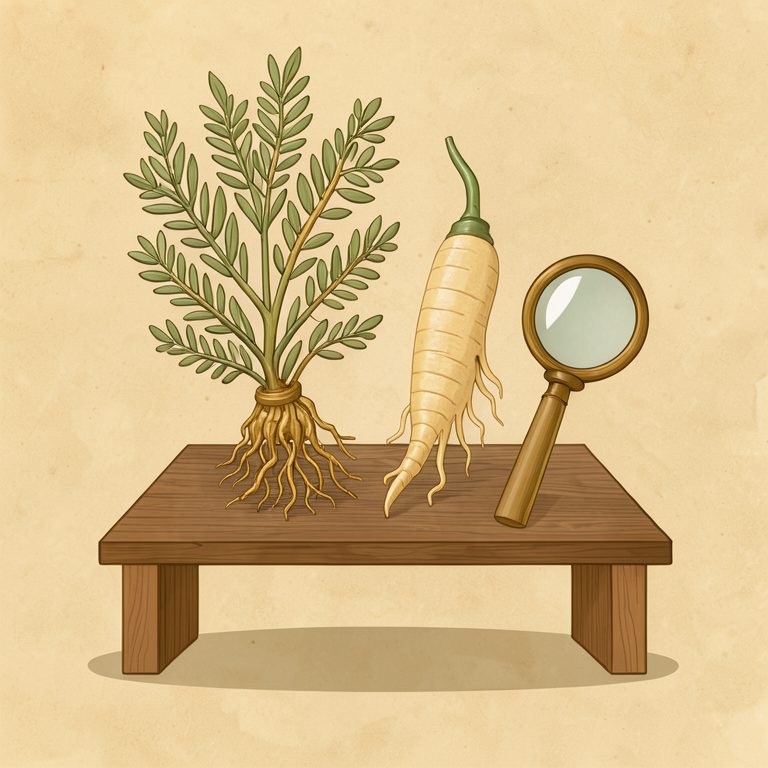
Honesty requires the other half of the picture: none of the source books describes adaptogens as something you feel in minutes. Their classical use is course-based — the rhodiola handbook entry speaks of use from ten days up to four months [5] — and even favorable traditional accounts frame them as supports for resilience, not as remedies for named diseases.
Head-to-Head: Choosing Criteria and an Honest Verdict
| Criterion | Caffeine | Classic adaptogens |
|---|---|---|
| What it is | Stimulant alkaloid in coffee, tea leaf, and kola nuts [2] | Plants classed as supports for the body’s adaptive responses — rhodiola, ginseng, eleuthero, ashwagandha [4][6] |
| Onset | Minutes; strengthens cortical excitation [1] | Course-based: from ten days to four months in classical use [5] |
| What the books describe | Higher mental and physical performance, less fatigue and drowsiness [1]; small doses speed thinking [2] | Greater work capacity, most visibly on a fatigue background; improved energy exchange in muscles and brain [5] |
| Tolerance and dependency | From roughly 1,000 mg/day: depletion of nerve cells, dependency [1] | Course-based use with breaks is the classical pattern; no dependency mechanism appears in this source literature [5] |
| Withdrawal | About 5–7 days of reduced performance after quitting [3] | Not described in this source literature |
| Classical dosing | Cited WHO benchmark: no more than two cups a day [1] | Liquid rhodiola extract 5–25 drops 3×/day before meals [5]; ginseng tincture 15–25 drops 3×/day [7] |
| Main cautions | Hypertension, insomnia, glaucoma, heart, kidney, and GI disease [1] | Marked agitation, hypertensive crisis, fever for rhodiola [5]; physician guidance for ginseng [7] |
| Best fit | An acute, occasional lift earlier in the day | A slow background habit for resilience, layered on the basics |
The verdict this comparison supports: caffeine and adaptogens solve different problems and earn different places in a routine. Caffeine is an acute, fast, dose-sensitive tool — best kept at the modest end (the cited WHO benchmark is no more than two cups a day [1]), earlier in the day, and never as a sleep substitute. Adaptogens are a background habit: slower to show, course-based, with their own contraindications, and — as one pharmacology author insists — never a replacement for physical training, hardening, and active rest [10]. Many readers reasonably keep one or two morning cups and add an adaptogen course on top; the mistake the books warn about is using either to ignore the causes of exhaustion.

Where the reviewed options in this cluster fit
Two programs we have reviewed sit next to this topic as complementary options — neither is an adaptogen or a coffee replacement. Joint Genesis is a daily joint-comfort supplement option; our Joint Genesis review examines its labeling and value. Unlock Your Hip Flexors is a targeted mobility routine — and since the source literature insists that herbs do not replace movement practice [10], a structured routine like that pairs naturally with any energy plan. For practical daily practices, browse the free manuals in our resource library.
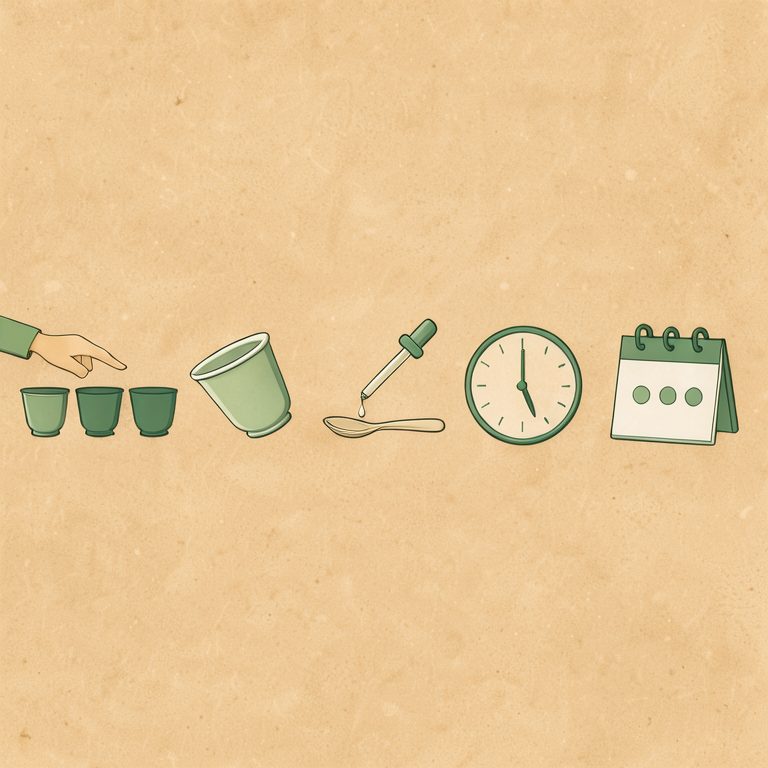
How to Rebalance: A Five-Step Protocol
If the comparison has you reconsidering your habits, the source literature supports a gradual, logged approach rather than a dramatic swap.
- Set your baseline. Count your current cups per day — including tea and cola, which also carry caffeine [2] — and note when your energy actually dips. The cited WHO benchmark of no more than two cups a day gives you a reference point, not a prescription [1].
- Taper, do not crash-quit. The books describe a five-to-seven-day dip in performance when coffee is temporarily given up [3], so schedule the downgrade for a quiet week, keep the last cup several hours before bed [1], and let the dip pass instead of fighting it with more cups.
- Pick one classic adaptogen and start minimal. One plant at a time, so effects and reactions are attributable. The herbal self-care rule is to begin with the smallest dose and increase only if nothing adverse appears [9]. Classical reference points from the literature: liquid rhodiola extract at 5–25 drops, three times a day, 15–30 minutes before meals, in courses from ten days to four months [5]; ginseng tincture at 15–25 drops three times a day before meals, or powders and tablets at 0.15–0.3 g three times a day — which the garden-plot manual says should be taken only as directed by a physician [7].
- Time it and log it. Classical use puts adaptogen doses before meals [5][7] — which for most people means an early-day window rather than an evening one. Keep a simple two-to-four-week log: energy at wake-up, the afternoon dip, sleep quality.
- Reassess honestly, in cycles. At the end of the course ask whether anything actually changed, then cycle off as the traditional protocols do [5]. If you take prescription medication, are pregnant or nursing, or manage a diagnosed condition, involve your physician before starting any herbal course [9] — and remember that even complex herbal blends do not replace physical training, hardening, and active rest [10].
Safety Notes Before You Change Either Habit
Caffeine. The coffee literature lists clear contraindications: signs of coronary heart disease, marked atherosclerosis, kidney disease, nervous excitability, insomnia, hypertension, and glaucoma, as well as gastrointestinal conditions such as gastritis, ulcers, and duodenitis [1]. During pregnancy the cited limit is 200 ml of natural coffee a day, and the author advises asking the treating physician before changing intake [1]. Children and the elderly are advised to skip it altogether [1].
Adaptogens. Rhodiola is contraindicated in marked agitation, hypertensive crisis, and febrile states [5]. Ginseng preparations should be taken only under a physician’s direction [7]. More generally, some plants are contraindicated in pregnancy, heart failure, high or low blood pressure, and acute gastrointestinal conditions; allergic reactions are possible, which is exactly why the minimal-first dosing rule exists [9]. Neither list is exhaustive — treat it as a prompt to read the label and ask a professional, not as clearance.

Frequently Asked Questions
Can I take adaptogens together with coffee?
The source literature does not frame them as mutually exclusive, and the two act through different routes — cortical excitation [1] versus adaptive support [6]. A common, literature-compatible pattern is one or two morning cups kept as the acute tool (within the cited WHO benchmark [1]) with an adaptogen course running as the slower background layer. Watch total stimulation and sleep quality, and move the last cup earlier if sleep suffers [1].
How quickly do adaptogens work compared with caffeine?
Caffeine acts within minutes [1]. Adaptogens, by the classical accounts, are course-based: rhodiola use ran from ten days to four months [5], and ginseng’s tonic effect is described as the result of long, systematic use [6]. If a product promises coffee-speed effects from an adaptogen, that promise is not coming from this literature.
Is quitting caffeine cold turkey a good idea?
The coffee book describes a five-to-seven-day dip in performance after giving coffee up [3] — survivable, but unpleasant and easy to misread as proof you cannot function without coffee. A gradual taper during a quiet week, along the steps above, is the gentler route the same literature supports. Anyone quitting while managing a diagnosed cardiovascular or psychiatric condition should do it with a clinician’s knowledge [1].
Sources
- [1] G.M. Kibardin — Coffee and Headache (Kofe lechit golovnuyu bol, 2017)
- [2] Yuri Konstantinov — Coffee, Cocoa, Chocolate: Tasty Remedies (Kofe, kakao, shokolad. Vkusnye lekarstva, 2014)
- [3] B. Skachko — Coffee, Reishi, Aloe Vera, and Your Health (Kofe, Reishi, Aloe Vera i vashe zdorovye, 2021)
- [4] Joseph Mercola — Herbs and Spices (Travy i spetsii, 2023)
- [5] Sokolov S.Ya., Zamotaev I.P. — Handbook of Medicinal Plants (Spravochnik po lekarstvennym rasteniyam, 1984)
- [6] Vostrikov L.A., Konstantinov A.A., Fruentov N.K. — Ginseng and Its Brothers (Zhen-shen i ego bratya, 1979)
- [7] Rabinovich A.M. — Medicinal Plants in the Garden Plot (Lekarstvennye rasteniya na priusadebnom uchastke, 1989)
- [8] Geo Neshev, Iliya Landzhev — Handbook of Herbs (Spravochnik na bilkite, 1989)
- [9] Yu. Nikolaeva — Healing the Body with Herbs (Lechim organizm travami, 2011)
- [10] O.D. Barnaulov, M.L. Pospelova — Medicinal Properties of Fruits and Berries (Lekarstvennye svoystva fruktov i yagod, 2013)
How we researched this
This article is based entirely on our local library of 1,137 books, queried through an offline retrieval system — the open internet was not used at any point. Every factual statement above was checked against the source excerpts and carries a numbered citation to the book it was taken from.
