
Educational content only — not medical advice. See our full Medical Disclaimer and Affiliate Disclosure below.
Key Takeaways
- Cordyceps sinensis was described in Chinese medical writing roughly 2,000 years ago and is still ranked the “emperor” among traditional Chinese medicine’s most valuable natural substances[1].
- Tibetan medicine filed the same fungus into chulen — its “essence-extraction” rejuvenation practice — with a dedicated cordyceps elixir among the vitality recipes[2].
- The label matters: fruiting body, mycelium and cultural liquid are different raw materials, and the encyclopedia rates extracts “tens of times” more effective than plain dried powder[1].
- The consulted sources hold no cordyceps dosing, mechanism or safety data — every energy claim below is traditional use, not a measured effect.
Scan a supplement shelf in 2026 and the cordyceps mushroom sits quietly between the multivitamins and the protein powders, its label trading on two words: energy and endurance. The story behind that capsule is older and stranger than most shoppers guess. A fungus recorded in Chinese medical writing roughly two thousand years ago, it carries a title no marketing department invented — the “emperor” among the most valuable natural medicinal substances of traditional Chinese medicine[1]. This guide traces cordyceps from that ancient record to the modern shelf, and it keeps one promise throughout: every claim comes from the consulted books, and the missing claims are named as gaps rather than smoothed over.
Here is the honest shape of the topic. The sources document a two-millennium tonic reputation in China and Tibet, a remote plateau geography, a clear hierarchy of preparation forms, and one modern clinician’s low-energy routine that lists cordyceps mycelium alongside better-known adaptogens[4]. They do not document doses, mechanisms or safety data — and a market that shouts confidently about all three deserves a guide that separates the record from the noise. If adaptogens are new to you, our adaptogens library gathers the related guides in one place.
In this guide:
- What is cordyceps — the emperor of traditional Chinese medicine
- Cordyceps in Tibetan medicine: the chulen tradition
- Why the high plateau grows the cleanest raw materials
- Fruiting body, mycelium or cultural liquid
- Extract versus dried powder
- A modern low-energy routine
- Honest limits on cordyceps energy claims
- Frequently asked questions
What Is Cordyceps? The Emperor of Traditional Chinese Medicine
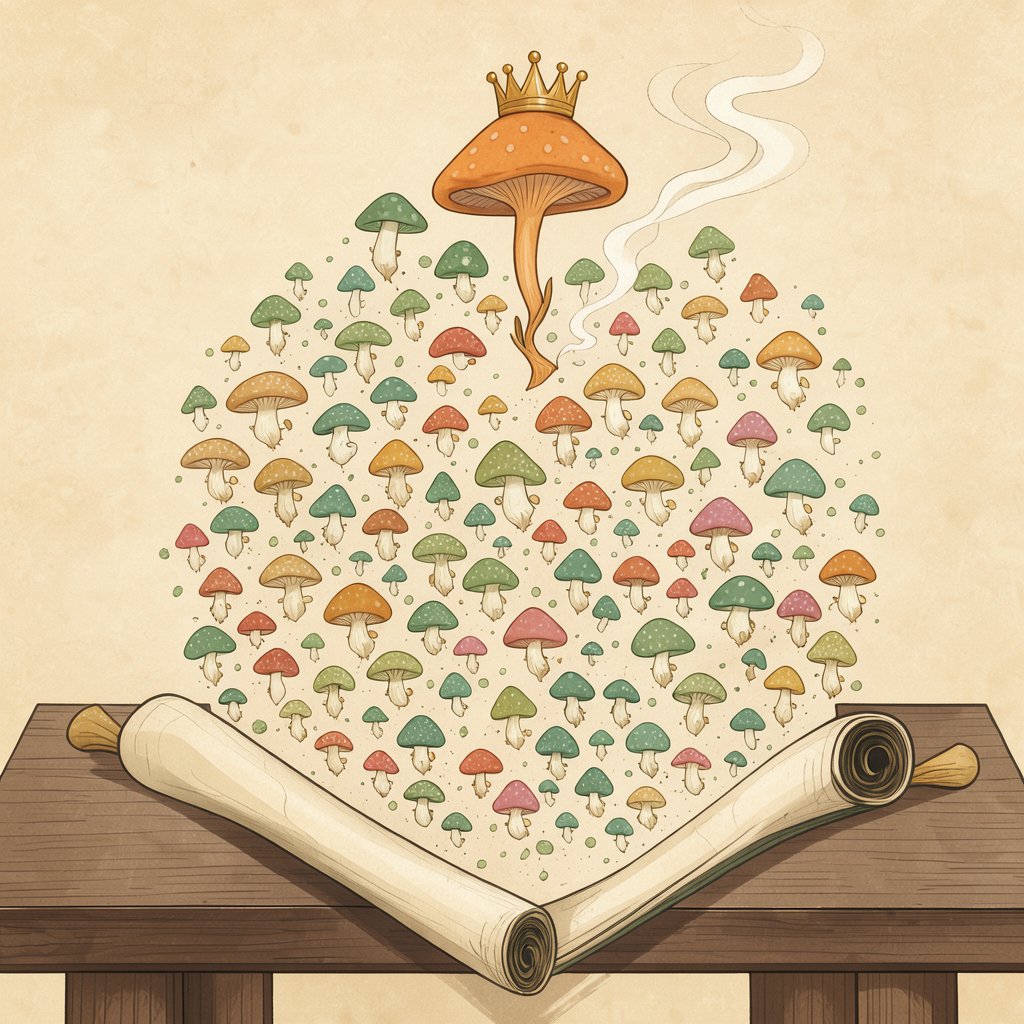
Cordyceps is a group of fungi valued as medicinal raw materials, whose classic species — the Tibetan Cordyceps sinensis of the high plateaus — entered Chinese medical writing roughly two thousand years ago. The reference literature still ranks it among the most valuable natural medicinal substances of traditional Chinese medicine[1].
The documentary anchor is a treatise by the ancient Chinese physician Wu Xing, about two thousand years old, which described the properties of more than one hundred mushroom species growing in China and Japan[1]. The Tibetan cordyceps described in that treatise is, to this day, considered the recognized “emperor” among the most valuable natural medicinal substances and raw materials of traditional Chinese medicine[1]. Mikhail Vishnevsky’s Medicinal Mushrooms: The Great Encyclopedia (2014), the source of this record, also preserves Wu Xing’s larger claim: that the healing properties of mushrooms are much higher than those of medicinal herbs[1].
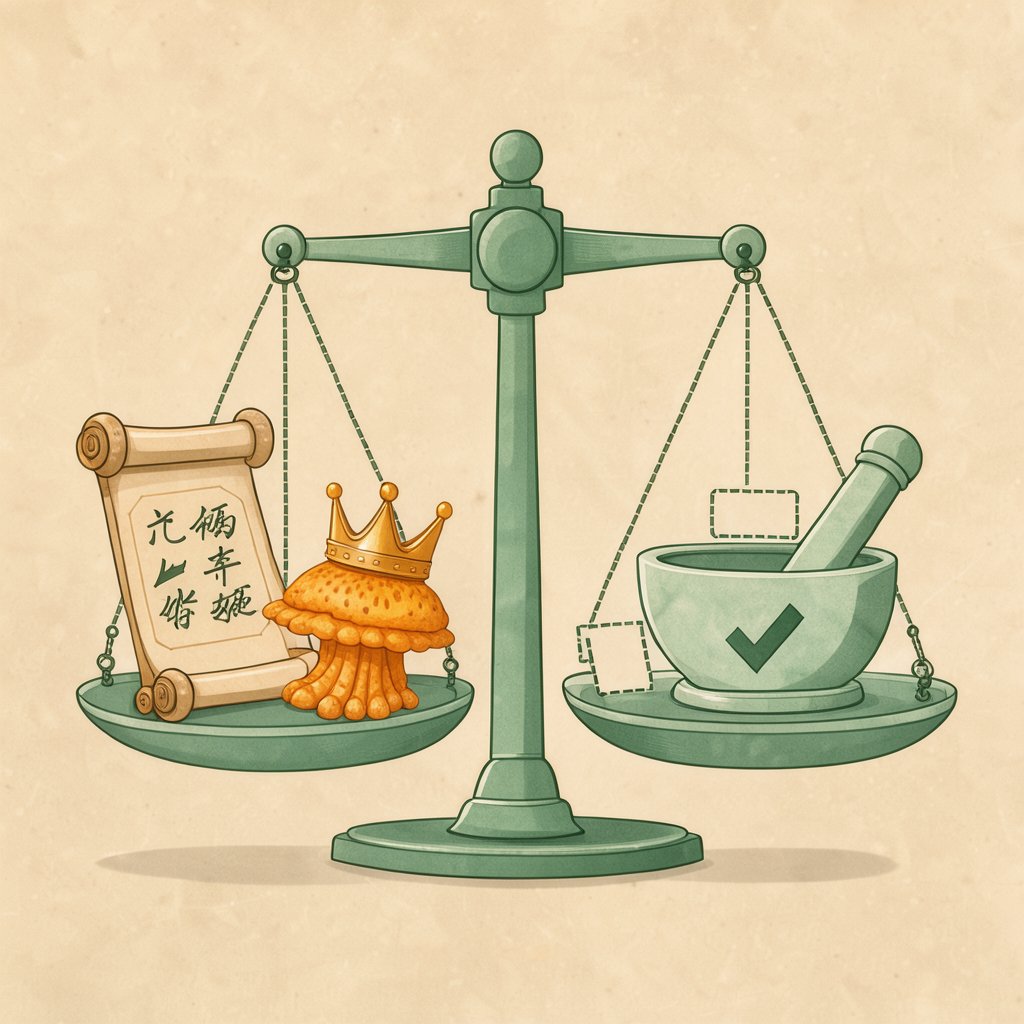
Notice what that “emperor” title actually is — a ranking earned inside a written tradition spanning two millennia, not a laboratory measurement of energy output. Nothing in the consulted sources ties the title to a quantified effect on stamina; it is a statement of prestige and value among natural raw materials. That distinction, reputation documented while mechanism is not, follows the cordyceps mushroom through every section of this guide. The energy and endurance framing on a modern label begins here, as tradition rather than pharmacology.
Cordyceps in Tibetan Medicine: The Chulen Essence Tradition
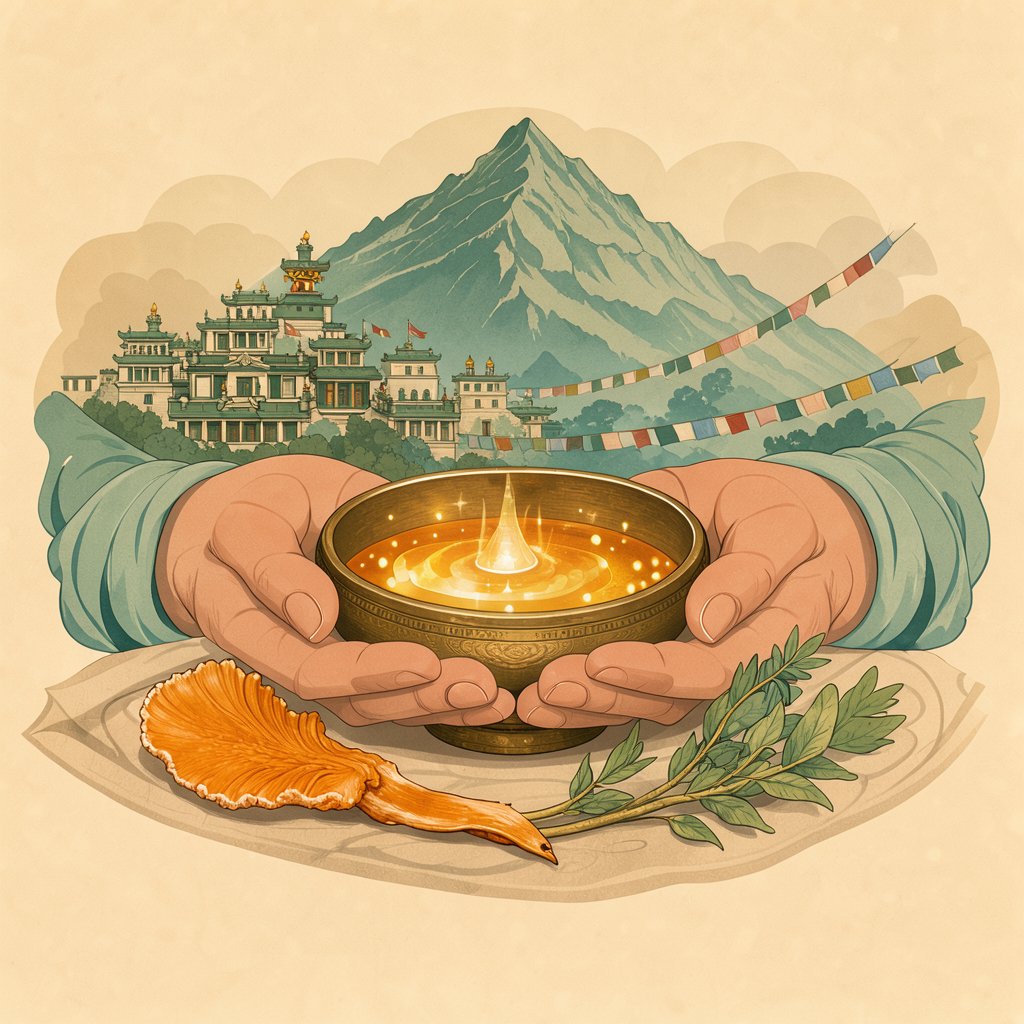
Across the Himalayas, Tibetan medicine kept its own ledger for the same fungus. In the Sowa Rigpa tradition, chulen is the “essence-extraction” rejuvenation practice, and Nida Chenagtsang’s The Tibetan Art of Rejuvenation (2022) grounds it in the canon: the Eighth Section of the Explanatory Tantra, chapter 23[2]. The book’s chulen repertoire is organized explicitly around vitality — a separate section of chulens for raising the energy level opens at page 264 with a recipe called Basam menmar[2].
Cordyceps holds a dedicated place in that repertoire. Among the chulens for strengthening sexual energy, a section that opens at page 289, sits a cordyceps elixir listed as recipe number 29 on page 294[2]. The placement matters more than the recipe itself: the tradition filed this fungus under renewal of vitality, in the same contents structure that organizes energy-level chulens, rather than under acute remedies for illness.
One honest limit must travel with that claim. Only the table of contents of the book is indexed in the consulted knowledge base — the elixir’s ingredients and preparation steps are not retrievable, so this guide cannot and does not reproduce them. What survives is the placement: evidence of status inside a documented rejuvenation system, not a usable protocol[2].
Why the High Plateau Grows the Cleanest Tonic Raw Materials
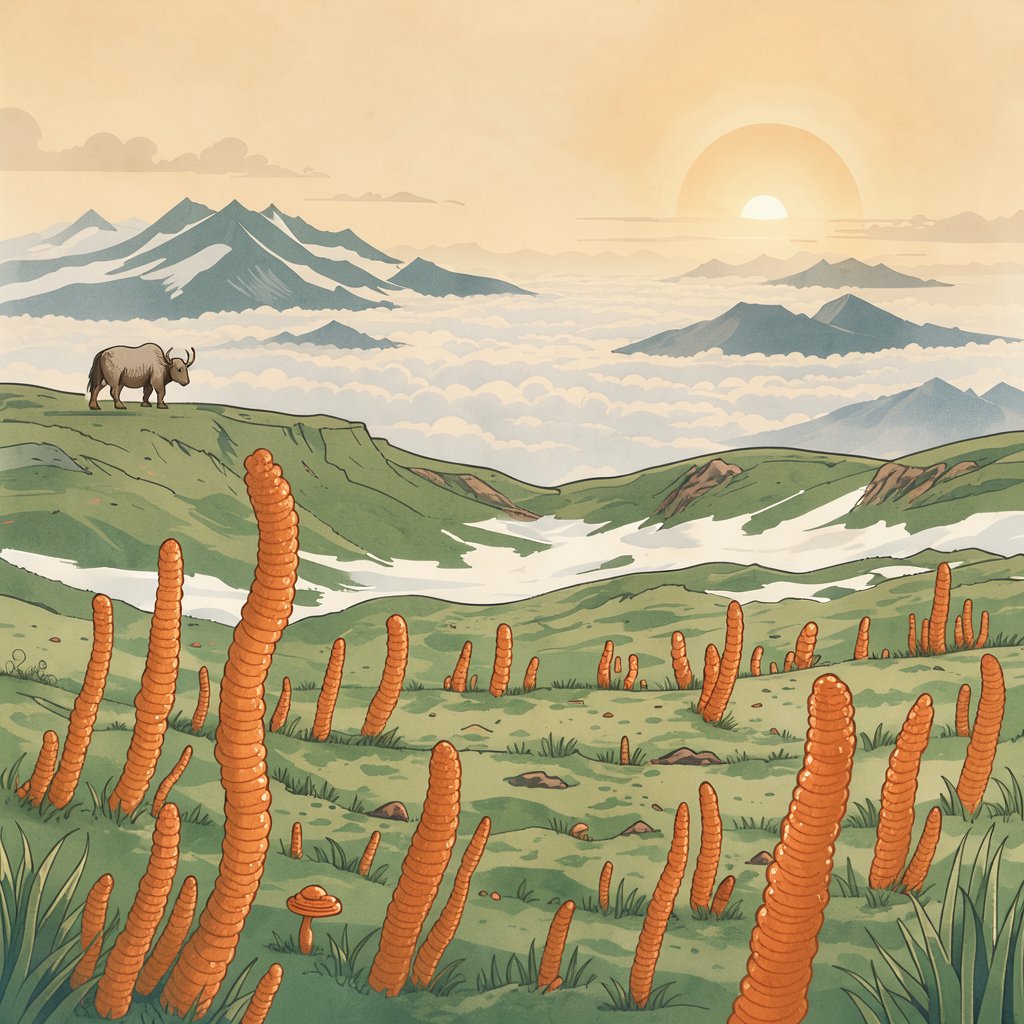
Both traditions drew their material from the same forbidding geography. In Body Reboot (2019), Konstantin Zabolotny writes that everything growing in above-cloud mountain zones grows fast, on good water, free of the impurities and pollution of the lowlands — and that the planet’s best “sowing areas” for biologically active substances are precisely those zones[3]. They are also vanishingly rare: above-cloud mountain belts make up less than 1% of the world’s area, concentrated in the Andes and the Himalayas — Chile, Peru, Nepal, Tibet[3].
Zabolotny ties the longevity-oriented raw materials directly to this belt, naming ginseng, cordyceps and mumijo, and adding a blunt exclusivity claim: there are no other guaranteed clean places[3]. For the “emperor” fungus this geography cuts both ways. It underpins the traditional prestige — wild material from the roof of the world — and it creates the supply problem, because a raw material that grows above the clouds on less than 1% of the planet cannot feed a world market from the wild alone.
One boundary on the claim, in fairness to the source: Zabolotny writes about raw-material zones in general, not about any tested product on today’s shelf. The clean-zone argument explains where the tradition’s material came from, not what any modern brand’s laboratory certificate says. That question belongs to the manufacturer, not to the mountain.
Fruiting Body, Mycelium or Cultural Liquid: What Is Actually in Cordyceps Products
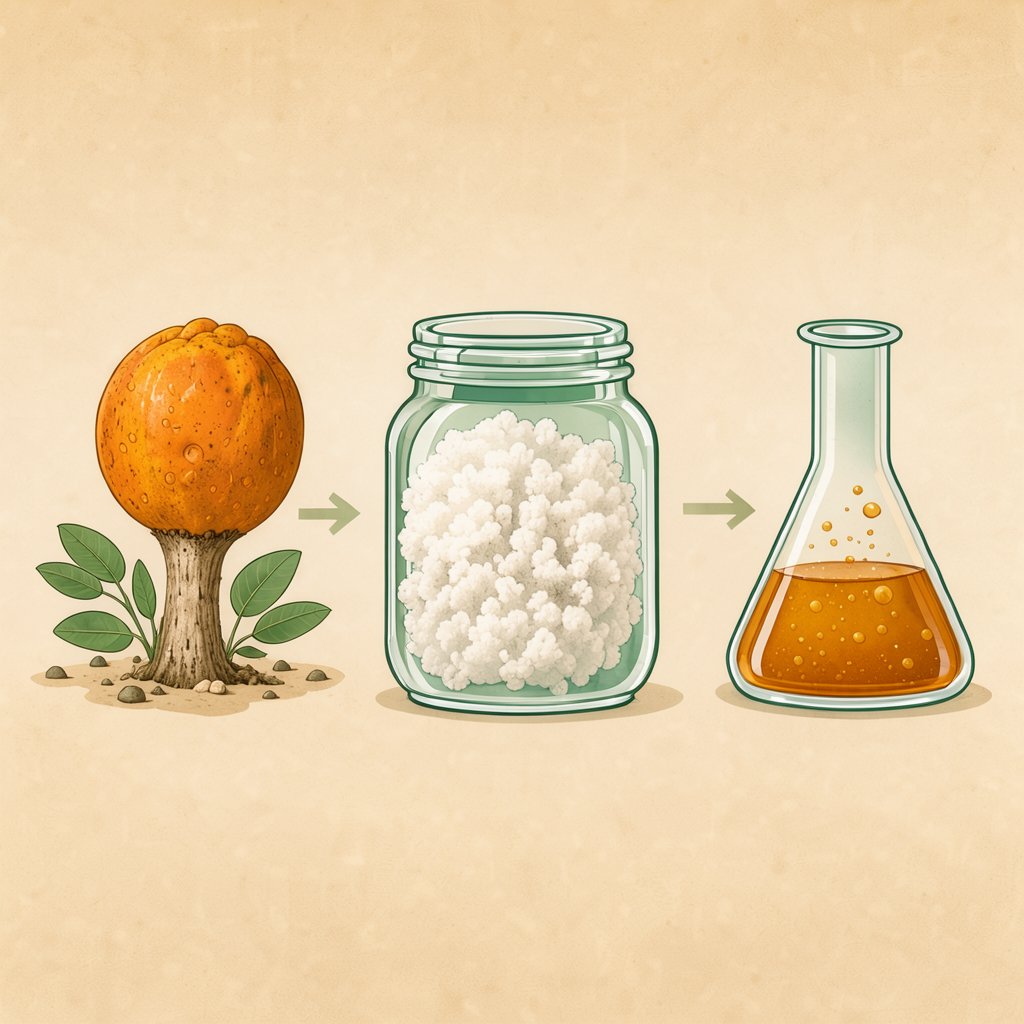
Scarcity forced an industrial answer, and the answer produced three distinct raw materials. According to Vishnevsky’s encyclopedia, fungal medicines draw on fruiting bodies collected in nature or grown in cultivation, on mycelium, and on the cultural liquid formed during artificial submerged cultivation of fungi[1]. Preparations made from medicinal mushrooms are, as a rule, alcohol or oil extractions and their derivatives[1]. The cultivation methods that made this scale possible were found approximately in the early 1960s, and they gave a powerful push to research into the medicinal properties of healing mushrooms[1].
Fruiting body: the wild classic
The fruiting body is the fungus itself — the structure a collector harvests. For cordyceps it is the classic, prestige material of the tradition: wild-gathered on the plateau, exactly the form the old texts knew. Today it is also produced in cultivation, which is what turned a plateau rarity into an affordable supplement ingredient[1].
Mycelium: the laboratory workhorse
Mycelium is the fungal root mass, grown in artificial conditions rather than gathered from the wild. It is the form one modern clinician chose when writing cordyceps into a low-energy routine: capsules with cordyceps mycelium rather than fruiting-body powder[4]. For buyers, the practical point is that the word cordyceps on a label can mean this grown biomass rather than the collected mushroom.
Cultural liquid: the submerged third way
Cultural liquid is the medium formed when fungi are grown in submerged, liquid cultivation. Vishnevsky lists it alongside fruiting bodies and mycelium as the third raw-material source for fungal medicines[1]. It is the least visible of the three on consumer labels, but it belongs to the same industrial toolkit that artificial cultivation opened in the early 1960s.
The industry context completes the picture. Many mushrooms are now grown in industrial conditions exclusively for their healing properties, and the encyclopedia’s named examples include reishi, the multicolored bracket fungus and “various types of cordyceps” — unlike shiitake, which is also grown for food[1]. One honest limit stays on the record: the encyclopedia’s own Cordyceps militaris species entry, on pages 114–118, is not indexed in the consulted knowledge base, so no species-level detail beyond the above can be quoted here.
From Decoction to Capsule: Why Extracts Beat Dried Cordyceps Powder
The same fungus that simmered in Tibetan and Chinese decoctions now arrives as a standardized capsule — the forms changed, the underlying question did not: how much of the raw material’s complexity reaches you. Vishnevsky enumerates the full spectrum of dosage forms — decoction, infusion, extract, essence, lyophilizate, dietary supplements, creams, masks, ointments, suppositories[1] — and the philosophy behind them is preservation rather than isolation: processing aims to keep the whole natural complex of active substances, in explicit contrast with isolating a single chemically pure substance the way penicillin or streptomycin are made[1].
That philosophy is why the form on the label matters more than most marketing admits. A simply dried and powdered fruiting body — the material in many powders, tablets and capsules — gives up far fewer useful substances than an extract, because the insoluble chitin-like shell of fungal cells is practically indigestible and poorly releases its contents[1]. Extracts, which the encyclopedia rates “tens of times” more effective, became the dominant commercial form for exactly this reason[1]. “Tens of times” is the source’s own rating phrase, not a measured laboratory figure this guide can verify — but the direction of the argument is what a buyer needs.
The industry’s raw base sits one step upstream of the finished bottle. Virtually all world producers of extracts and tinctures work from Chinese lyophilizates — specially prepared fine-dispersed powders that keep the original product’s properties[1]. The book’s footnote explains the technology plainly: lyophilization is gentle freeze-drying, in which the preparation is frozen and placed in a vacuum chamber where the solvent is removed by sublimation — no high temperatures, most proteins are not denatured, and on rehydration the lyophilized product restores its original properties[1].
The practical takeaway, framed as the source’s argument rather than our laboratory claim: when comparing cordyceps products, the form hierarchy — extract versus plain dried powder — deserves more attention than the marketing copy around it. The tradition simmered its material for a reason, and modern extraction is the industrial heir of that patience.
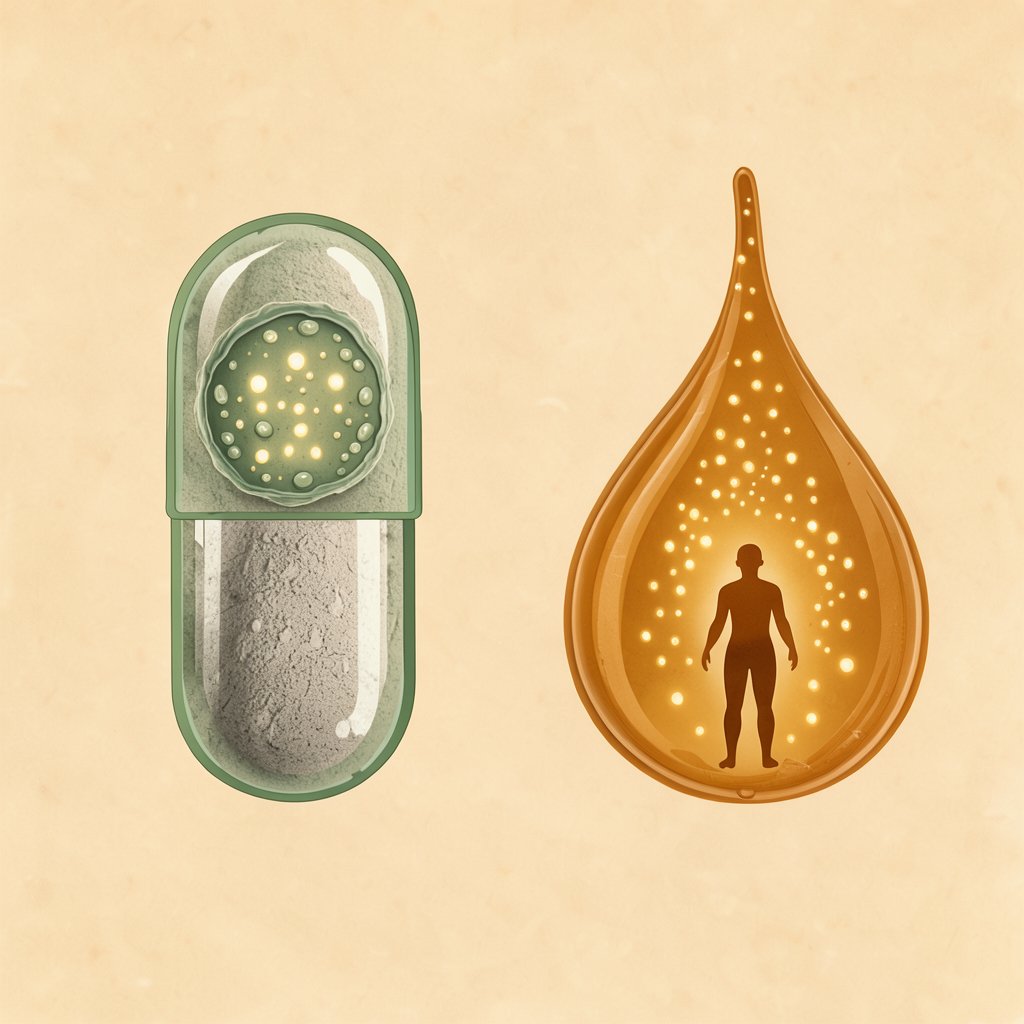
A Modern Low-Energy Routine: Cordyceps Mycelium in the Adrenal-Fatigue Protocol
A capsule only makes sense inside a routine, and one modern clinician-author wrote cordyceps mycelium into exactly such a routine. In The Exhausted Person (2015), Sohere Roked opens with a striking number: 94% of people say they want more energy[4]. Her reading of that gap is adrenal fatigue, which she names a main cause of low energy that conventional medicine does not recognize[4]. Keep the framing where it belongs — it is the author’s clinical position, presented here as such, not a settled diagnosis this guide endorses.
Step 1: Feed the foundation first
Before any supplement, Roked starts on the plate. The best foods for supplying the adrenals with micronutrients are, in her list, asparagus, avocado, garlic, cabbage and ginger[4]. She also notes the state’s signature traps: a body running on empty tends to crave sweet or salty food, and caffeine dependence only drives energy lower[4]. The step is deliberately unglamorous — no exotic purchase, just a kitchen foundation an exhausted body can actually use.
Step 2: Add supplements with professional guidance
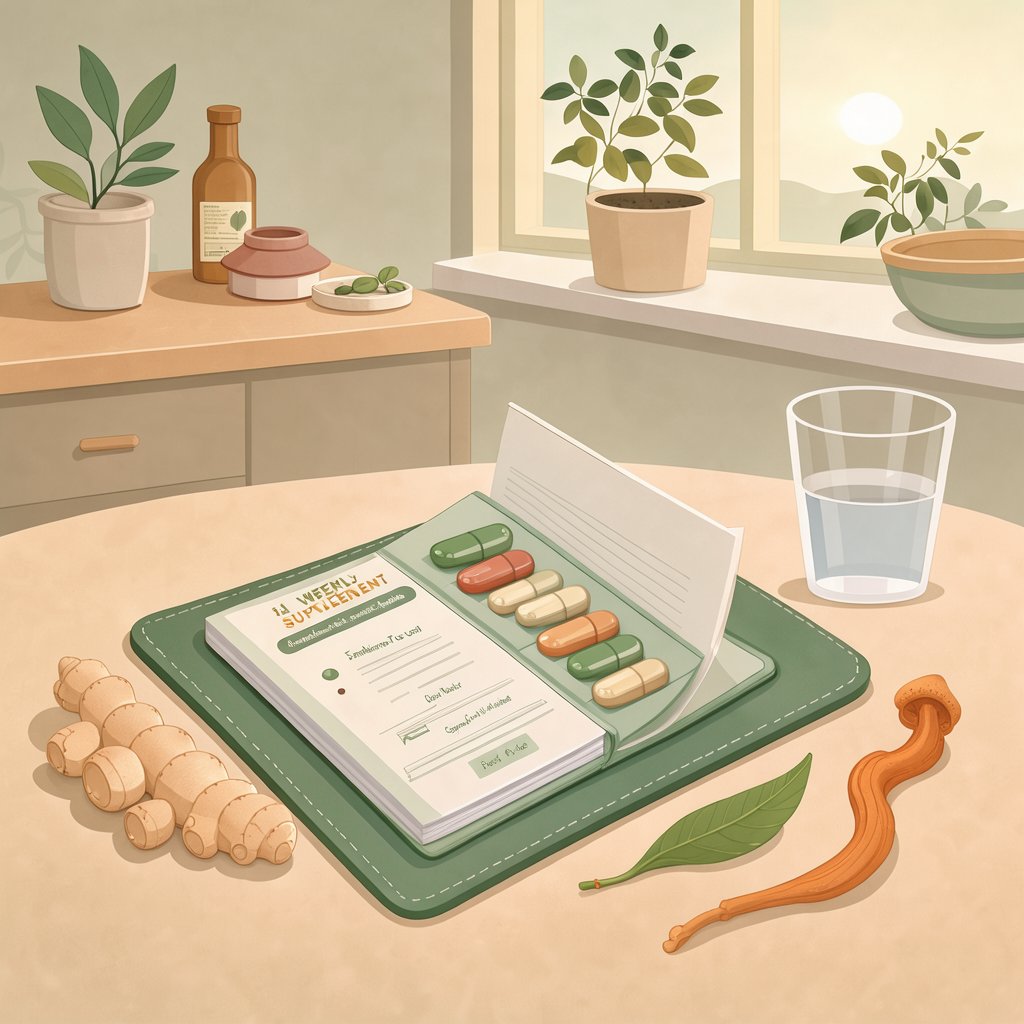
Protocol step three in the book turns to supplements: B and C vitamins and omega-3 fish oil are named as useful for the adrenals, with food sources including avocado, grapefruit, strawberry, banana, orange and blueberry, plus mackerel and salmon for omega-3[4]. The same step names the herbal lineup in which cordyceps appears: ginseng, rhodiola, ashwagandha, capsules with cordyceps mycelium, and L-theanine are called very beneficial[4]. The book’s own caution travels with this step — glandular supplements such as bovine pituitary and adrenal concentrate should be taken only under a doctor’s supervision, a caution worth extending to any supplement decision[4].
Step 3: Move moderately, not hard
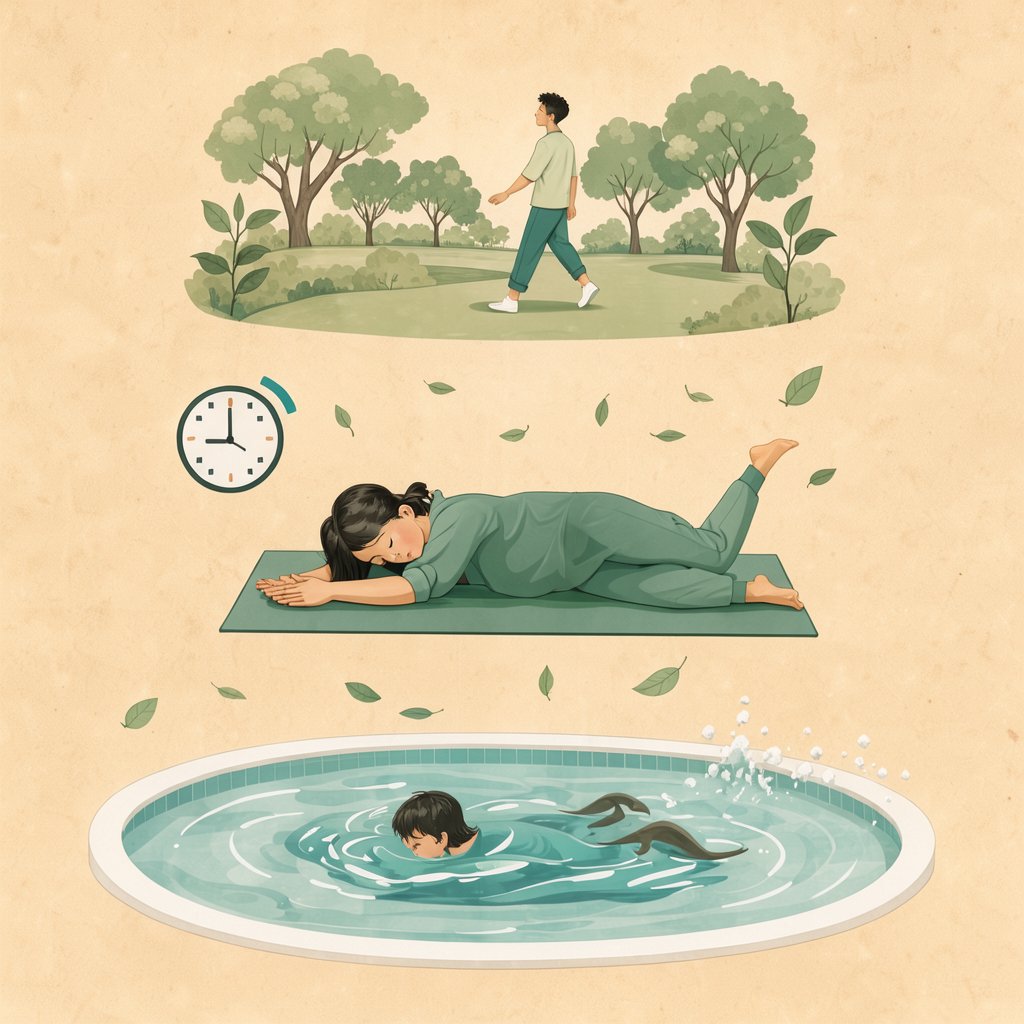
The routine’s final element is movement, with a counterintuitive rule. With adrenal fatigue, Roked writes, excessive training — intense gym workouts included — only increases the load on the adrenals[4]. Simple exercise for 15–30 minutes a day is more beneficial, and walking, yoga and swimming are named ideal; fresh air helps, so walk whenever possible[4]. For readers raised on no-pain-no-gain fitness culture, this is the step that asks the least — and, in the author’s protocol, returns the most.
Notice what the protocol does not contain. Roked’s routine gives no dose for the cordyceps mycelium capsules — no grams, no timing, no duration — and none is added here[4]. Nor does the book explain a mechanism for why the mycelium capsules earn their place: the placement is a clinical recommendation, not an explained physiological effect[4].
What the Sources Don’t Say: Honest Limits on Cordyceps Energy Claims
Every reader arrives with three questions: how much should I take, how does it work, and is it safe. The consulted knowledge base — searched exhaustively across all 140,675 indexed chunks — answers none of them for cordyceps, and this section says so plainly instead of borrowing answers from marketing.
First, what the record does support: the traditional “emperor” status in Chinese medicine[1], the Tibetan chulen placement[2], the above-cloud raw-material geography[3], the preparation-form hierarchy with its extract-versus-powder argument[1], and the position of mycelium capsules in one modern adrenal-fatigue lineup[4]. That is a real, citable tradition. And it is a tradition — not a dosing manual, not a pharmacology review.
Then the gaps, proven by the full search rather than assumed. One: zero dosing data — no grams per day, no extract ratios, and no mention of the Cs-4 strain anywhere in the base. Two: zero mechanism chunks — nothing links cordyceps to ATP production, VO2 max, oxygen utilization or any exercise-physiology outcome; every “energy” reference in the sources is traditional or adrenal-fatigue-contextual, never mechanistic. Three: zero cordyceps-specific contraindications, side effects or drug-interaction entries — and absence of data is not evidence of safety. Vendor catalogs that mention cordyceps products were set aside as marketing material, not cited as fact.
The guidance that follows from the sources is short. Treat energy claims as traditional use, not measured effects. Prefer extract forms over plain dried powder, per the chitin-availability argument. And consult a clinician before starting any supplement — the step on which every consulted author agrees[4].
Frequently Asked Questions
Why is cordyceps called the emperor of traditional Chinese medicine?
Because of a documented rank, not modern marketing. The treatise of the ancient physician Wu Xing, roughly 2,000 years old, described more than 100 mushroom species of China and Japan, and the Tibetan Cordyceps sinensis recorded in it is still considered the recognized “emperor” among traditional Chinese medicine’s most valuable natural substances[1]. For the wider record, see our functional mushrooms traditional uses guide.
How did Tibetan medicine use cordyceps?
Through chulen, the “essence-extraction” rejuvenation practice grounded in the Explanatory Tantra. The repertoire includes a dedicated cordyceps elixir — recipe 29, filed among the chulens for strengthening sexual energy — beside a separate chulen section for raising the energy level[2]. The recipe body is not indexed in the consulted base, so its ingredients cannot be given here. Our Tibetan longevity practices overview covers the wider tradition.
Why does cordyceps come from high mountains?
Because the cleanest bioactive raw-material zones on the planet are the above-cloud mountain belts — less than 1% of the world’s area — of the Andes and the Himalayas: Chile, Peru, Nepal, Tibet[3]. The same zones source the ginseng–cordyceps–mumijo trio of longevity raw materials. See the adaptogens buyer’s guide for how sourcing shapes the category.
Is cordyceps powder as good as an extract?
The encyclopedia’s argument says no. The chitin-like shell of fungal cells is practically indigestible and poorly releases its contents, so simply dried and powdered fruiting bodies give up far fewer useful substances, while extracts are rated “tens of times” more effective and became the dominant form[1]. For a gentler daily ritual with fungi, see the reishi evening tea ritual.
Where does modern cordyceps come from?
From industry, mostly. Cultivation methods found from the early 1960s enabled several cordyceps species to be grown solely for their medicinal properties, and virtually all world producers of extracts and tinctures work from Chinese lyophilizates — freeze-dried fine powders that preserve the actives[1]. Our chaga mushroom guide shows the same cultivation story in another species.
Can cordyceps help with low energy?
Only the traditional record supports the association. Cordyceps carries a two-millennium tonic reputation, and one clinician’s adrenal-fatigue protocol lists mycelium capsules alongside ginseng, rhodiola, ashwagandha and L-theanine, inside a routine of 15–30 minutes of moderate daily exercise[4]. No dosing or mechanism data exist in the sources. Rhodiola, a companion in that lineup, has its own rhodiola rosea guide.
Does cordyceps have side effects?
The consulted sources contain no cordyceps-specific safety data at all — no contraindications, no interactions, no side-effect entries. Absence of data is not evidence of safety, so treat it as a reason for caution rather than comfort. Consult a clinician before starting any supplement, and read our medical disclaimer for how this site frames wellness information.
If you are weighing cordyceps for energy, weigh it the way the record does: a two-thousand-year tonic reputation, a place in Tibetan rejuvenation practice, a raw-material geography worth respecting, and a modern capsule whose extract-versus-powder hierarchy matters more than any headline claim. The tradition is genuinely remarkable — and remarkably silent on dose, mechanism and safety. Choose accordingly: informed by the record, cautious about the gaps, and guided by a clinician rather than a label.
Sources
- [1] Vishnevsky M. — Medicinal Mushrooms: The Great Encyclopedia (2014)
- [2] Chenagtsang N. — The Tibetan Art of Rejuvenation (2022)
- [3] Zabolotny K. — Body Reboot (2019)
- [4] Roked S. — The Exhausted Person (2015)
Where to go next: widen the lens with our adaptogens buyer’s guide, compare species in the functional mushrooms traditional uses guide, or meet cordyceps’ protocol companion in the rhodiola rosea stress guide. For the movement half of the low-energy routine, the five Tibetan rites offer a gentle daily practice that asks minutes, not hours.
How we researched this: built from a local library of 1,137 wellness books through an offline retrieval system with no internet sources. Every factual claim was checked against the cited passages, and the knowledge base was searched exhaustively — all 140,675 chunks — before any topic was declared a gap. Where the books are silent, this guide says so instead of filling the space.
