
Educational content only — not medical advice. See our full Medical Disclaimer and Affiliate Disclosure below.
Key Takeaways
- A real sleep improvement program teaches repeatable skills — physicians compare it to staying on a diet: consistency over weeks, not one heroic night, produces results[4].
- The strongest programs combine three pillars: a relaxation skill, stimulus-control rules (the 15–20 minute rule), and light-based circadian scheduling[3][4].
- Expect weeks, not nights: a full behavioral course typically needs 3–4 weeks of correct practice to break conditioned bedtime habits[3].
- Sleep marketing is aggressive by design — the industry puts huge effort into convincing you that you need products you may not need[2].
Search for the best sleep improvement programs in 2026 and you will meet meditation apps, video courses, book methods, live evening classes, and coaching packages — all promising the same destination: deep, restorative sleep. This buyer’s guide — updated November 8, 2026 — is not a ranking of vendors we have not audited. It is the checklist we would use ourselves: what a legitimate sleep improvement program must teach, which claims to distrust, and a five-step protocol to run before money changes hands. Every factual statement below comes from the wellness literature in our library and is numbered in the Sources block.
What a “sleep improvement program” actually sells
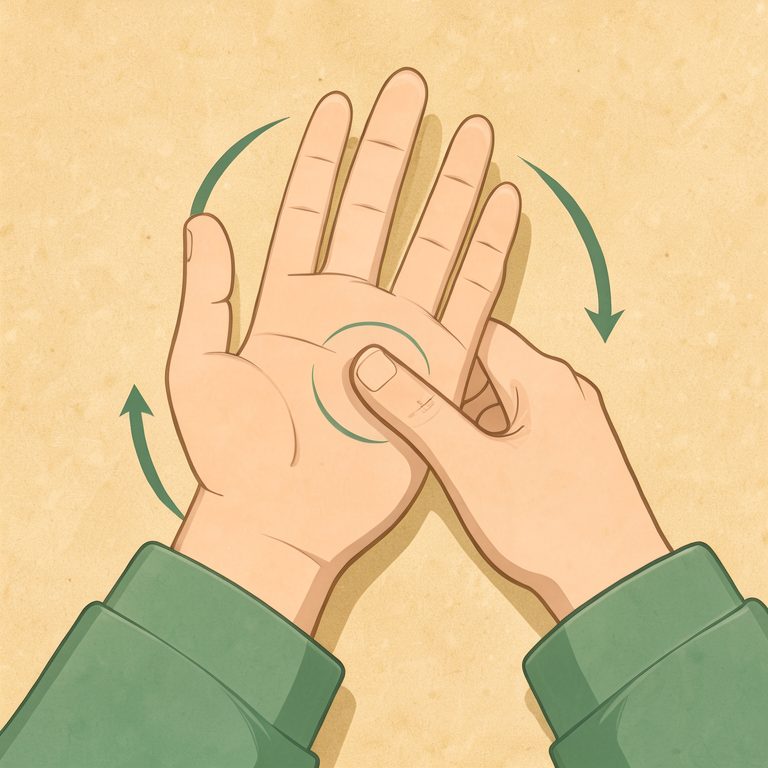
Strip away the branding and every program sells one of two things: a method you rehearse, or a shortcut you consume. Method-based programs teach a wind-down skill you own for life — progressive muscle relaxation performed lying on your back in a dark bedroom, tensing and releasing muscle groups from the toes upward[3]; slow diaphragmatic breathing practiced during the day so it is automatic at night[4]; or precise self-applied protocols, like the palm-pressure sequence from our sources: fixed presses on the exhale, released on the inhale, roughly ten presses per hand, with thirty seconds of rubbing the hands before and after[1]. A 2015 study described in the same source tested weekly palm-reflexology sessions in people with insomnia over four weeks and reported better sleep quality with less fatigue and depression[1]. Shortcut-based programs sell sounds, gadgets, or bottles and hope passive consumption does the work.
Physicians quoted in our sources are blunt about where results come from: “It’s like a diet: you have to keep working at it… it takes time to get results”[4]. Effort itself can even backfire — the harder you try to force sleep, the worse it gets; the entry point is relaxation, not willpower[4].
Format decides how much correction you receive. Learning with an instructor is significantly more effective, mainly because a good instructor matches the program to your individual traits and your current situation[6]. A well-built home method compensates with simplicity: the restorative-pose tradition deliberately avoids technically complex moves, which keeps it usable across ages and fitness levels[7].
| Format | Feedback | Best for | Watch for |
|---|---|---|---|
| Instructor-led class or personal coaching | Direct, tailored to you[6] | People who want the program matched to their situation | Instructor’s actual training background |
| Structured video course | None until you submit questions or film yourself | Self-starters on a budget | Curriculum depth beyond nice background footage |
| Book method | None; precision of instructions matters most[11] | Readers who follow written protocols precisely | Vague poses, missing doses and timings |
| Sleep-tracking app | Automated scores, no technique correction | Habit logging and schedule anchoring | Numbers without a method to act on |
Traditional wind-down rituals vs modern sleep physiology
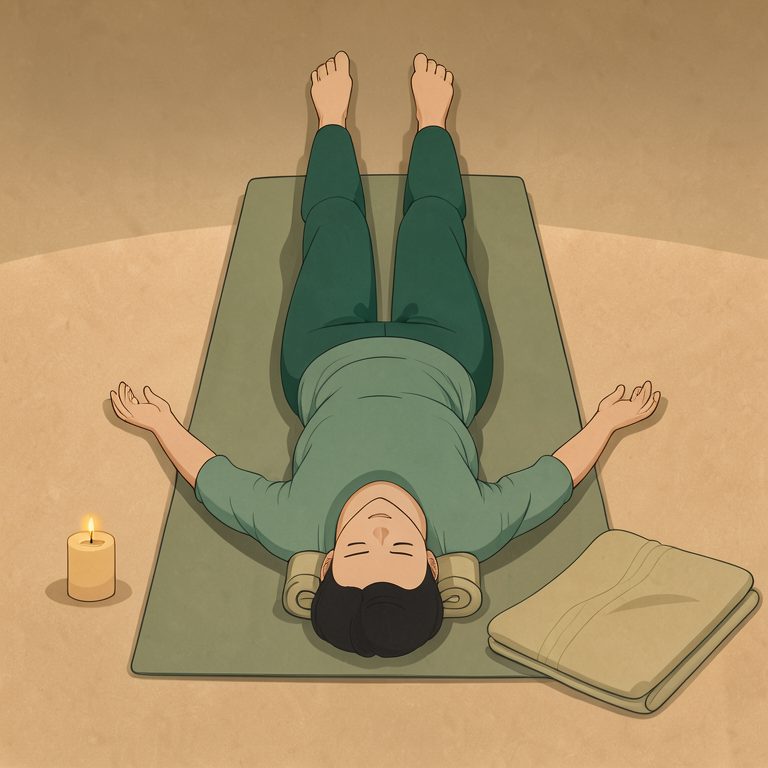
Traditional systems treat the evening as a ritual, not a transaction. In the classical hygiene tradition, “a calm conscience is the best sleeping pill”: the day is reviewed with a short self-analysis, ideally lying on the back with legs straight and arms turned palm-up so the whole body relaxes[5]. And a dedicated relaxation technique performed right before bed is described in our sources as making sleep “deep and calm”[6].
Modern physiology explains why these rituals earn their keep. Sleep is not a shutdown: across the night the brain stays selectively active, and distinct groups of neurons run the restoration of body and mind[2]. Sleepiness itself is chemistry — adenosine accumulates during waking hours and is spent during sleep, which is why a long daytime nap can make evening sleep harder to enter[2]. The “sleep hormone” melatonin is produced by the pineal gland in the brain; its synthesis begins at dusk and stops when light returns, and this light-driven mechanism steers your circadian rhythms[2]. About half an hour after you doze off, deep slow-wave sleep begins — the stage in which the body synthesizes protein for building cells and heart rate and blood pressure ease down[2].
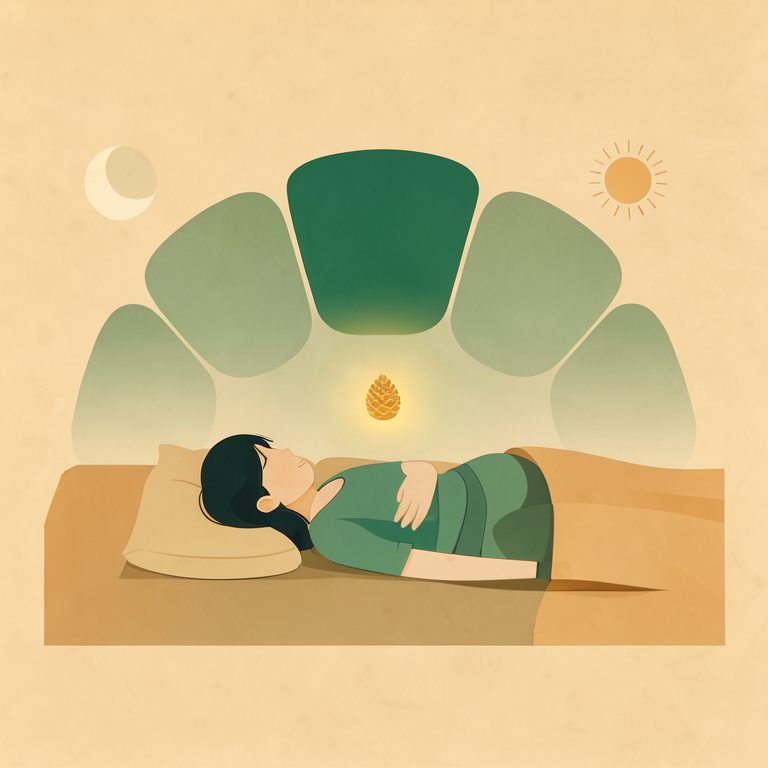
Your internal clock also runs slightly long — roughly a 25-hour cycle — and morning light is the daily signal that pulls it into 24-hour alignment[3]. Regular meal timing matters too: gut microbes keep their own daily rhythm, and consistent feeding times stabilize it — the same mechanism travelers use to overcome jet lag[8].

Seven criteria that separate the best sleep improvement programs from marketing
Use this table as a scorecard. A strong 2026 sleep program scores on most rows; anything that fails rows 4 and 7 is not worth your money regardless of price.
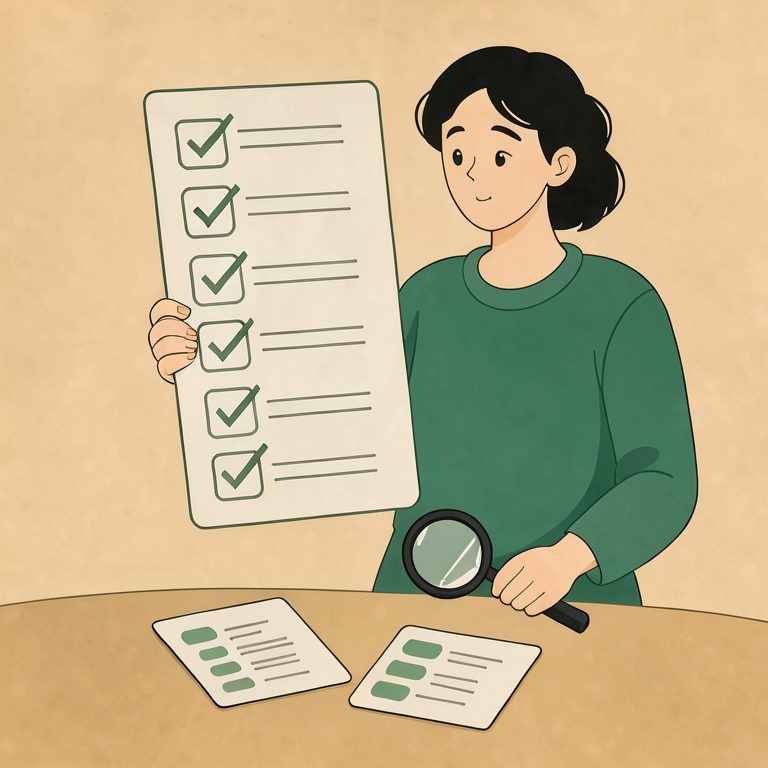
| # | Criterion | What good looks like | Red flag |
|---|---|---|---|
| 1 | Teaches a relaxation skill | Progressive relaxation or slow breathing with exact positions, counts, and timings[1][4] | “Just press play and drift off” — no skill to learn |
| 2 | Includes stimulus-control rules | Bed only for sleep; if not asleep in 15–20 minutes, get up until sleepy; fixed wake time even on weekends[3][4] | Never tells you what to do when you cannot sleep |
| 3 | Respects the body clock | Morning bright light, dim and screen-light evenings, a dark quiet cool bedroom (about 61–64°F / 16–18°C)[1][4] | “Sleep whenever — the audio does the rest” |
| 4 | Sets an honest timeline | A full behavioral course runs 3–4 weeks, because conditioned habits unwind slowly[3] | “Fixed in one weekend” |
| 5 | Offers a feedback loop | Instructor tailoring to your traits and situation[6] | Zero contact and zero correction, forever |
| 6 | Keeps practice manageable | Gentle, technically simple moves usable at almost any age or fitness level[7] | Routines you must already be athletic to perform |
| 7 | Takes safety seriously | Published contraindications; tells you to discuss sleep-affecting medications with your prescriber[4][9] | Suggests you drop your medical care or prescribed treatment |
The five-step protocol to run before you pay
Print this or keep it open on your phone — five minutes here saves a wasted purchase.
- Name your problem. Insufficient sleep announces itself as long sleep latency, frequent night wakings, unrefreshing mornings, and dozing off at wrong daytime moments[3]. Pick the program type that targets your pattern, not the best-advertised one.
- Run the claims test. The industry puts enormous effort into convincing you that you need its products[2]. Any promise to normalize sleep in a few days contradicts the 3–4 week physiology of habit change[3] — treat it as a filter, not a footnote.
- Open the curriculum. Look for all three pillars: a relaxation skill[1][4], stimulus-control rules[3][4], and light-based scheduling[3][4]. One pillar alone is a half-built program; zero pillars is a content product, not a method.
- Test instruction quality. Good methods specify pose, environment, and dose: lying on the back, legs at shoulder width, palms turned upward, small rolled towels under the neck and lower back, a ventilated room without drafts, practice at least an hour after eating[11]. If the free sample reads like mood wallpaper, the paid course will too.
- Check safety and exit terms. Movement-based wind-downs carry cautions — for example, head-low positions are flagged for people with heart conditions, high blood pressure, or migraines[9]. Certain medications, asthma inhalers among them, can disturb sleep, and that conversation belongs with your prescriber, not a course seller[4]. A clear refund policy signals a seller who expects you to finish the course.
Sleep also couples with how you move by day: gentle late-day exercise — even a brisk 3–4 mile (5–7 km) walk after dinner — raises body temperature, and the subsequent fall promotes sleepiness[4][5]. That is why we track daytime mobility offers alongside our sleep content: see our full reviews of Joint Genesis and Unlock Your Hip Flexors, or jump to the current offers: Joint Genesis and Unlock Your Hip Flexors. We may earn a commission if you buy through links on this page — neither product is a sleep program, and neither is medical care. For a zero-cost way to test pillar one tonight, our coherent breathing practice manual teaches a slow, even breathing pattern; more free protocols live on the manuals shelf.
Safety and honest expectations
- This guide is educational. A sleep problem that persists for weeks, or loud snoring with heavy daytime exhaustion, deserves a healthcare professional’s attention — no program replaces that evaluation.
- Alcohol is the classic trap: a nightcap sedates the nervous system, then wears off mid-night and wakes you[4]. Keep caffeine out of the late afternoon — coffee, cola, and even chocolate after about 4 p.m. work against sleep, and nicotine is a stimulant too[1][4].
- Never change or stop prescribed medication because a program suggests it: some prescribed drugs disturb sleep, and a physician can adjust the timing or the prescription[4].
- On sleeping pills, our sources quote Academician Nikolai Amosov: fear of insomnia harms more than insomnia itself; a pill can be a one-off rescue on a brutal night, not a nightly plan — and dosed physical activity supports sleep recovery[5][10].
- Expect first nights of a stimulus-control course to leave you sleepy: sleep researchers advise starting before a day off, and note the full course runs 3–4 weeks[3]. Daytime napping during the course undercuts the adenosine pressure that helps you fall asleep at night[2] — a short walk is the traditional substitute[5].

FAQ
How long does a sleep improvement program take to work?
With the rules followed, a behavioral course needs about 3–4 weeks to dismantle the conditioned habits that keep insomnia alive[3]; relaxation skills are like a diet — results arrive with consistent practice[4].
Are sleep apps enough?
An app can carry the curriculum and log your schedule, but learning with an instructor is significantly more effective, because the program gets tailored to your traits and current situation[6]. Use apps as the notebook, not the teacher.
Do I have to give up coffee to sleep better?
No — timing beats elimination. Keep caffeine out of the late afternoon (after about 4 p.m.)[4] and avoid stimulants within roughly four hours of bed[1]. The friendlier evening swap is a walk: gentle exercise late in the day warms the body, and the cooling that follows promotes sleepiness[4].
Sources
- [1] Persilie, E. — Health in Your Hands (2025)
- [2] Carr, A. & Dicey, J. — The Easy Way to Better Sleep (2024)
- [3] Berezhkova, L. — How to Get Rid of Insomnia (year not listed in source metadata)
- [4] Home Doctor: Advice from American Physicians (2007) — author not listed in source metadata
- [5] Gromov, V. & Vasiliev, G. — Healthy Life (collected volume) (year not listed in source metadata)
- [6] Kelmovich, M. — The Key to Life (year not listed in source metadata)
- [7] Reif, I. — The Technology of Rest (2014)
- [8] Finlay, B. & Finlay, D. — Immunity to Aging (2021)
- [9] Polyakova, E. — Health Workshop: Eastern Wellness Practices (2015)
- [10] Kopylova, O. — High Blood Pressure (2015)
- [11] Efimov, G. — The Living Source of Energy (year not listed in source metadata)
How we researched this
This article is based entirely on our local library of 1,137 books, queried through an offline retrieval system — the open internet was not used at any point. Every factual statement above was checked against the source excerpts and carries a numbered citation to the book it was taken from.
