
Educational content only — not medical advice. See our full Medical Disclaimer and Affiliate Disclosure below.
Searching for the best magnesium for sleep in 2026 leads down a supplement aisle where every bottle promises calmer evenings, yet almost none of them explain what is actually inside. This magnesium supplement guide takes a different route: instead of ranking brands we cannot verify, it teaches you to read the four lines every magnesium label carries — the form line, the dose line, the course line, and the warning line — the way a clinician reads a chart. The method comes from a fixed shelf of reference books, not from marketing copy, and every claim below carries a footnote back to its page.
Why labels instead of a top-ten list? Because the evidence base behind this guide — a local library of wellness and supplement-reference books — contains real label anatomy, real dose lines, and real contraindication blocks, but no brand rankings, no price comparisons, and no market data for 2026. Rather than invent a ranking, we turned what the books do document into a repeatable buying skill. Apply the four lines below to any bottle on any shelf, and the label itself will tell you whether it deserves your evening.

Key Takeaways
- Chelated forms are the only citable form names — citrate, taurate, and malate[4]; a form line without a named form tells you nothing you can verify.
- Serving is not a course: a real label pairs one tablet a day with a three-to-four-week course, and documented cycles run 20 days on, 10 days off[2][3].
- Read the warning line before the price line: real labels exclude pregnancy, breastfeeding, and children under 12[2].
- Trust labs, not seals — the documented verification check is the RBC magnesium blood test[1].
- No pill substitutes for sleep: if you sleep five hours a night, fix sleep first, then read labels[4].
How Magnesium Calms the Body: The Calcium-Magnesium See-Saw
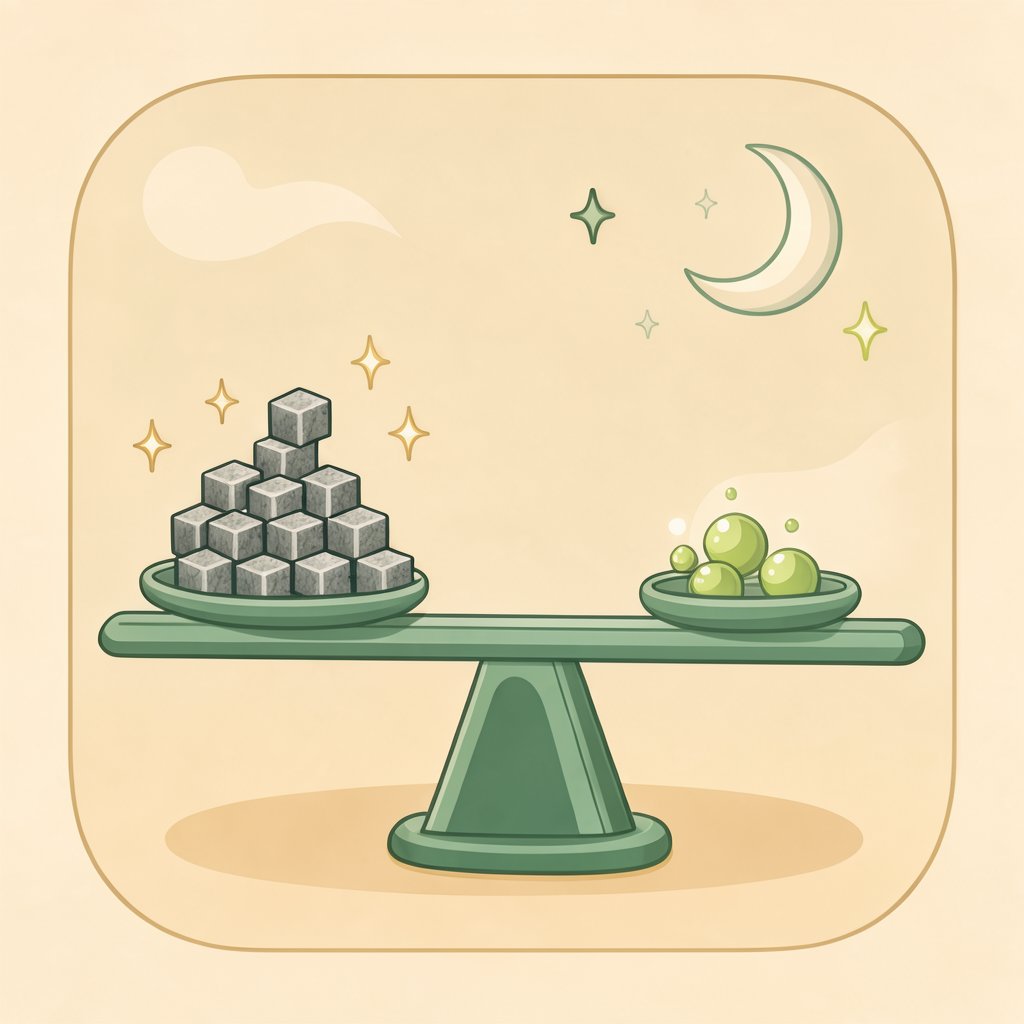
Before any bottle earns a place on the nightstand, it helps to know the one mechanism the source books actually document — and it is a balance beam, not a receptor diagram. David Brownstein, in Iodine: Why You Need It, Why You Can’t Live Without It, describes magnesium as an antagonist to excess intracellular calcium — the kind of calcium loading that can fuel oxidative pathways inside the cell[1]. He also calls magnesium deficiency widespread, which is why the mineral attracts so much evening attention in the first place[1].
A brand catalog in the source base supplies the see-saw’s other side, and it deserves to be read as label-copy physiology rather than clinical proof. The catalog explains that calcium begins to displace magnesium in order to absorb itself, and that once magnesium is replenished, leg cramps can vanish within a few days[2]. The very same page claims its mineral complex has a calming action, normalizes sleep, and eases PMS[2] — three promises printed to sell a bottle, quoted here as exactly that. The honest summary: the books support a calcium-magnesium balance argument, while the sleep wording on any label remains the manufacturer’s claim.
One honesty note before we go further. Popular magnesium articles lean on GABA receptors, NMDA modulation, or melatonin pathways; the retrieval base behind this guide contains none of that language for magnesium. What it does contain — the calcium-magnesium see-saw — is the only citable reason a form line matters, and it is the reason calcium-heavy combination products deserve extra scrutiny later in this guide[1][2].
Why This 2026 Guide Reads Labels Instead of Ranking Bottles
A 2026 “top ten magnesium” list would be fiction built on this evidence base, and this guide refuses to write it. The books behind it — mineral monographs, supplement catalogs, and critical-medicine writing — carry no product-by-product rankings, no brand shortlists, no price-per-serving tables, and no market data for the year. What they document instead is the anatomy of the label in your hand, and label anatomy is a skill that outlives any best-seller list.
The framework comes from an unlikely place. Mineral Miracle, a book built around Jay S. Cohen’s magnesium work, promotes that he describes the most effective types of magnesium, explores appropriate magnesium dosage, and details the use of magnesium alongside hypertension medications[5]. Form, dose, and drug-compatibility — those are the three questions a clinician-author asks of any magnesium product, and they map onto the label lines this guide teaches. The retrieved pages never name Cohen’s specific forms, so this article names only the forms another source actually cites[5].
There is even a format precedent: Mineral Miracle’s own table of contents lists comparative mineral charts, a sign that mineral books have long compared products in structured tables rather than slogans[5]. This guide borrows the instinct. Four lines follow — form, dose, course, warning — wrapped by two rules: verify your magnesium status with blood work rather than badges, and fix sleep before you shop for it.
Form Line: Look for Chelated Magnesium – Citrate, Taurate, Malate
The form line is where labels either name a chemical reality or hide behind an adverb. The only form-ranking statement in the entire source base belongs to Markers of Aging, whose authors state that potassium and magnesium should be taken as chelates — for example citrate, taurate, or malate[4]. A chelate is a mineral bound to an organic molecule, and a named chelate is checkable: you can look up magnesium citrate; you cannot look up “premium magnesium.”
That matters because real label copy prefers the unverifiable version. One catalog in the base describes its minerals as calcium, magnesium, iodine, and phosphorus in an “easily assimilable form,” crediting “bioavailability” for the product’s virtues[2]. Neither phrase is a form name — they are marketing wording dressed as chemistry. The decision rule for your shelf visit: if the form line says only “highly bioavailable magnesium” with no compound named, the label has told you nothing you can verify.
Now, honestly, about the comparison everyone actually searches for — magnesium glycinate vs citrate. The books behind this guide name citrate as a chelate; glycinate appears in no retrieved passage, and neither oxide nor threonate does, so no head-to-head between them can be sourced from this base[4]. Said plainly as editors, with no book attribution: shoppers weigh glycinate against citrate widely, and any verdict there belongs to sources outside this library. Within this library, a form line bearing citrate, taurate, or malate meets the only documented standard there is. Malate’s single other appearance sits in a reference citation for magnesium-and-malate fibromyalgia research[1] — provenance trivia, not a dosing instruction.

The Combo-Label Trap: Finding the Magnesium Row
The hardest magnesium label to read is the one where magnesium is the smallest name on a crowded panel. The base’s catalogs are full of them: one complex stacks magnesium with iodine, vitamin B6, and calcium under the phrase “balanced natural ratio”[2], while collagen complexes pair magnesium with proline, calcium, silicon, and manganese until the mineral you came for is one line among six[3]. For a sleep-focused buyer this is not a technicality — the per-serving magnesium amount is exactly the number you need, and in a combo it hides.
The see-saw from earlier makes some combos worth a second look. A product that loads calcium alongside magnesium is selling you both arms of the antagonism Brownstein describes — calcium displacing magnesium in order to absorb itself[1][2]. That does not make the product wrong; it makes the ratio a question the label should answer and rarely does. And when the wrapper invokes rasayana — the Ayurvedic rejuvenation tradition — describing minerals acting “at the cellular level,” read it as positioning language from that tradition, not as evidence about your evening[2].
The buyer skill is simple and repeatable. Find the magnesium row first, read its per-serving amount, and only then read the rest of the stack; a combination product is not automatically better — it is harder to read. The catalogs’ own dosing tables prove the point: their magnesium rows sit inside multi-column matrices where a careless reader skims past the mineral entirely[2][3].

Dose Line: Servings, the Bedtime Row, and the Two-Tablet Ceiling
A real dose line from the source base answers three questions in one breath: how much, how old, and how high you may go. The worked example reads: adults and children 12 and over take one tablet once daily with meals; the dose may increase to two tablets a day; the pack holds 30 tablets; the course runs three to four weeks[2]. Base serving, escalation ceiling, age floor — three numbers, and a surprising number of bottles in the aisle get compared on none of them.
Sleep buyers should also learn to look for the bedtime row, because labels really do write timing into the dose. Another catalog in the base doses its elixir twice daily 30 minutes before meals and then adds a row for “on an empty stomach before sleep,” while a companion product instructs one tablet at night[3]. “Before bed” and “at night” are genuine label language, not blogger folklore — when sleep is the goal, a bottle that specifies evening timing has at least thought about your question.
Notice that the two real labels disagree — one says with meals, the other says empty stomach before sleep. The rule that follows is not to average them: follow your own bottle’s dose line exactly, and never mix protocols across brands[2][3]. One more honesty note, and it matters: the base contains no elemental-magnesium milligram targets at all — no 200-to-400-mg style numbers anywhere — only tablet-count dosing. This guide will not invent milligrams the source books never gave[2].

Course Line: Pack Math and the 20/10, 30/8 Cycles
The most overlooked line on a mineral label is the one that tells you when to stop. In the worked example, a 30-tablet pack at one tablet a day equals exactly one 30-day course, and the label writes its course as three to four weeks[2]. Serving and course are different things: the serving is what lands on the table today, while the course is the calendar the manufacturer expects the bottle to cover.
That gives you an honest value formula no price tag can beat: pack size divided by daily dose equals course length. Check it before checkout — one pack should cover one full course, or you at least know you are buying a fraction of one. It also explains why price-per-serving comparisons are absent from this guide: the source base contains no pricing data at all, and pack-covers-course arithmetic is the only value math it supports[2].
Mineral courses in the base are also cycled, not eternal. The catalogs document the patterns openly: 20 days with a 10-day break, 30 days with an 8-day break, one month with a one-month break[3]. A magnesium label that instructs daily, indefinite use without a course line has left the protocol tradition its own ingredients came from — treat that absence as information[2][3].
Warning Line: Contraindications and the Diuretic Interaction
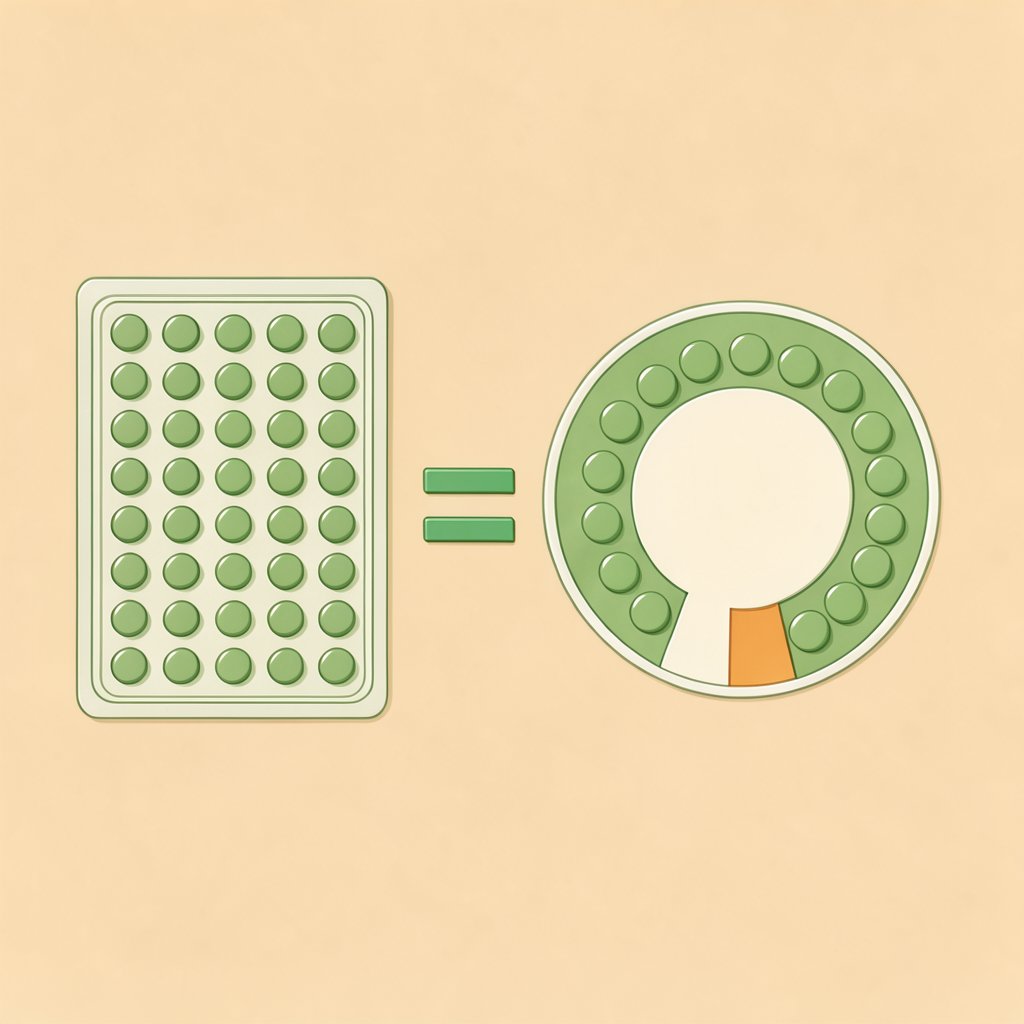
A label that cannot say who must not take the bottle has not finished being written. The worked example carries a textbook contraindication block: individual intolerance to components, conditions under which the product is contraindicated, pregnancy, and breastfeeding[2] — and the age floor of 12-plus sits just above it on the dose line. When you screen bottles, read this block first and the marketing paragraph last.
The second half of the warning line is the interaction, and the base documents a pointed one. In How Doctors Treat Themselves, thiazide diuretics — the classic blood-pressure water pills — wash out potassium and magnesium, and competent doctors respond by prescribing a potassium-and-magnesium preparation alongside them; potassium-sparing diuretics, the same text notes, are contraindicated in acute and chronic renal failure[6]. The buyer’s rule writes itself: if you are on water pills, ask your doctor before adding magnesium on your own[6].
Two honesty rails finish the section. First, the only side-effect-and-fix anecdote in the base concerns vitamin C, not magnesium — Brownstein writes that its one major side effect, diarrhea, “can easily be rectified by reducing the dose”[1]; the adjust-downward pattern transfers, while no magnesium bowel-tolerance threshold exists in these books to quote. Second, a guard rail: one source describes a “one gram before sleep” protocol from the laetrile literature, and it concerns laetrile — never magnesium[9]. And a candid gap: the kidney cautions in this base attach to potassium-sparing diuretics, not to magnesium itself, so any kidney question belongs with your clinician rather than with a supplement aisle.

Trust Beyond Seals: The RBC Magnesium Test and the Additive Panel
The strongest trust signal for a magnesium bottle is not printed on the bottle — it comes from a lab requisition. Brownstein’s status check is the red blood cell (RBC) magnesium test, a blood panel that reflects the mineral inside cells, paired with his observation that deficiency is widespread[1]. One test before a course and one after is how a buyer verifies status with data instead of badges. Said plainly as well: the source base contains nothing about NSF, USP, or third-party certification seals, so this guide will not invent a seals checklist — it points you to the lab instead.
The panel you can read at the shelf is “other ingredients.” One catalog in the base prints its excipients openly — sucralose, erythritol, MCT, soy peptide, sodium alginate, isomaltooligosaccharide, and fruit powders[8] — a walking tour of why drinkable supplements carry sweeteners and carriers at all. An openly printed excipient list is itself a quality signal: the manufacturer is not hiding the filler column. A “gluten-free treatment” promo appears elsewhere in the base, but the scanned page is damaged, so it earns exactly one line here as marketing rather than evidence[5].

Fix Sleep First – and a Zero-Label Evening Ritual
One hierarchy outranks every line read so far: the night itself. Markers of Aging puts it bluntly — if you sleep five hours a day and then try to fix your blood pressure, it is useless; first fix sleep, then everything else[4]. Read against a supplement aisle, that sentence reframes this entire guide: the magnesium label is an adjunct to a night that already exists, never a substitute for it. Our evening wind-down ritual manual builds that night step by step, bottle or no bottle.
The same source base preserves a zero-label bedtime ritual for evenings when you want minerals without a purchase at all. In Healing Iodine, a glass of warm water with half a teaspoon of sea salt before bed is described as improving sleep and increasing its duration[7]. The book’s evening bath protocol is just as specific: about 1 lb (500 g) of sea salt for a relaxing soak, or up to 2 lb (1 kg) per 3 L (roughly 12.5 cups) of water, at around 100 °F (38 °C) for 10–20 minutes, best taken directly before sleep, in courses of 10–15 baths at one-to-two-day intervals with a break of at least three months between courses[7]. Its cautions are equally explicit — not within one and a half to two hours after food, and not with fever or alcohol[7].
Frame all of that honestly: this is Slavic and Bulgarian balneology tradition with explicit course rules, offered as tradition rather than clinical instruction. Even the mineral-history color stays modest — magnesium-calcium-potassium pangamate salts were already being researched in the 1950s, a reminder that evening minerals have a longer paper trail than any product launch[9]. Fix the night first; then let a well-read label earn its place on the nightstand.

Where evening practice fits, and what we have reviewed
A bottle is one piece of an evening, and the label grid above only judges bottles. Two programs we have reviewed cover the parts of the night a supplement cannot: if restless sleep arrives with stiff, aching joints, our Joint Genesis review reads a joint-comfort label through the same four-line audit, and the Unlock Your Hip Flexors review covers a short mobility routine that fits naturally into a wind-down hour.
- Joint Genesis — a daily joint-comfort option; our Joint Genesis review applies the form-dose-course-warning audit to its labeling.
- Unlock Your Hip Flexors — a targeted evening mobility routine; details and cautions in the Unlock Your Hip Flexors review.
Disclosure: we may earn a commission if you buy through links on this page; ratings and recommendations remain our editorial opinion.
Frequently Asked Questions
Which magnesium form is best for sleep?
Within this guide’s book base, the only citable form-ranking names chelates: citrate, taurate, and malate[4]. Glycinate appears in no retrieved passage, so any magnesium glycinate vs citrate verdict must come from sources outside this library — and we decline to fake one. A named chelate on the form line is the documented standard; an unnamed “highly bioavailable magnesium” is not.
How much magnesium should I take before bed?
Follow your own bottle’s dose line. The worked label reads one tablet a day with meals for adults and children 12 and over, with a ceiling of two tablets, and other labels add explicit bedtime rows such as “on an empty stomach before sleep”[2][3]. The base holds no elemental-milligram targets, so honest guidance here is the label’s own tablet language, not invented numbers.
How long should one magnesium course last?
Three to four weeks on the worked label, where a 30-tablet pack at one a day equals exactly one course[2]. Cycled protocols run 20 days with a 10-day break, 30 with an 8-day break, or one month on and one month off[3]. Divide pack size by daily dose before checkout: one pack should cover one course, or you are over-buying or under-dosing.
Can I take magnesium with blood-pressure water pills?
Ask your doctor first. Thiazide diuretics wash out potassium and magnesium, and the source text describes doctors prescribing a potassium-and-magnesium preparation alongside them; potassium-sparing diuretics carry their own renal-failure contraindication[6]. Magnesium is exactly the kind of addition to coordinate with the prescribing clinician — the warning-line section above gives the full pattern.
Is magnesium safe during pregnancy or for children?
The real labels in the base say no for pregnancy and breastfeeding, and the dose line sets an age floor of 12 and over[2]. Individual intolerance to components heads the same contraindication block. Pregnancy, lactation, and childhood are precisely where self-prescribing is out of place — take the label’s exclusions to your clinician, not around them.
How do I check whether I actually need magnesium?
Blood work, not guesswork. The documented check is the red blood cell (RBC) magnesium test, which reads magnesium inside cells rather than just serum[1]. Because the books describe deficiency as widespread, a test before and after a course turns a feeling into data — the trust argument of this guide in one lab order. If the night itself is the larger problem, start with our best sleep programs of 2026 review.
The best magnesium supplements for sleep in 2026 will not be the loudest bottles on the shelf — they will be the ones whose labels survive all four lines: a named chelate on the form line, a sane serving with a stated ceiling on the dose line, an honest course whose pack math closes, and a warning block that knows exactly who must stay away. Read the label like a clinician, verify with blood work, fix the night first, and the bottle you finally buy will have earned its place on the nightstand.
Sources
- [1] David Brownstein — Iodine: Why You Need It, Why You Can’t Live Without It, 5th Ed (2014) — the calcium-magnesium antagonism inside the cell, the observation that magnesium deficiency is widespread, the RBC magnesium test as the status check, and the vitamin C reduce-the-dose anecdote quoted here as pattern only.
- [2] Ayurveda Plus — Catalog: Gepalait, Osteolait, Solnechnaya Yagoda — the worked label anatomy of this guide: the one-tablet dose line with its 12-plus floor and two-tablet ceiling, the 30-tablet pack and three-to-four-week course, the contraindication block, the iodine-B6-calcium combo stack, and the rasayana positioning, all attributed as catalog copy.
- [3] Ayurveda Plus — AminoGold Catalog — the bedtime timing rows (“on an empty stomach before sleep,” “1 tablet at night”), the cycled course patterns of 20/10, 30/8, and one month on with one month off, and the collagen complexes that bury magnesium inside larger stacks.
- [4] Smirnov A., Kononenko I. — Markers of Aging (2022) — the only form-ranking statement in the base (chelates: citrate, taurate, malate) and the sleep-first hierarchy that reframes every supplement label as an adjunct.
- [5] Liberman Shari — Mineral Miracle (2006) — the Jay S. Cohen triad of effective types, dosage, and use alongside hypertension medications, the comparative-mineral-charts format precedent, and the damaged gluten-free promo used here as one careful marketing line.
- [6] Unknown Author — How Doctors Treat Themselves: The Truth Hidden from Patients (2020) — the thiazide diuretic interaction that washes out potassium and magnesium, the co-prescribed potassium-and-magnesium preparation, and the renal-failure contraindication attached to potassium-sparing diuretics.
- [7] Danikov N.I. — Healing Iodine (2016) — the zero-label evening ritual: warm water with half a teaspoon of sea salt before bed, plus the full sea-salt bath protocol with temperatures, durations, course rules, and cautions, offered as tradition.
- [8] Whieda — Product Catalog of the International Association Health and Prosperity — the openly printed excipient panel (sucralose, erythritol, MCT, soy peptide, sodium alginate, isomaltooligosaccharide, fruit powders) behind the additive walkthrough.
- [9] Todorova R., Grigorov Pl. — Vitamin B17: The Cancer Killer (2014) — the laetrile “one gram before sleep” guard rail that must never be attributed to magnesium, and the 1950s pangamate-research color.
Where to go next: this guide lives in our buyers’ guides hub, where every Best-Of title is built the same way — criteria first, gaps labeled, no invented rankings. For the night itself, our best sleep programs of 2026 review compares structured programs, the evening wind-down ritual manual builds the hour before bed, and our circadian light habits guide covers the morning half of the same rhythm.
How we researched this: built from a local library of wellness books, queried through an offline retrieval system with no internet sources; every factual claim above was checked against the cited book passage before publication. Where the base held nothing — glycinate comparisons, elemental-milligram targets, certification seals, prices — we labeled the gap instead of filling it. That is the standard this magnesium supplement guide holds itself to.
